Introducation
Starting a fitness journey can feel confusing when you are surrounded by different workouts, training methods, nutrition advice, and fitness terms. Many people have the same fitness questions for beginners before they feel confident enough to start exercising. How often should you work out? Should you lift weights or do cardio? How long should a workout last? Do you need a gym, expensive equipment, or a strict diet?
The good news is that getting started does not have to be complicated. You can make progress with simple exercises, realistic goals, and a routine that fits your lifestyle. In this guide, we answer common beginner questions and explain practical ways to build strength, improve endurance, recover properly, and make exercise a sustainable part of your everyday life.
1. How Often Should a Beginner Work Out?
If you are new to exercise, you do not need to train every day. Starting with three workout sessions per week can give you enough practice while allowing your body time to recover.
Your weekly routine can include a combination of strength training, cardio, walking, mobility work, and rest days. As your fitness improves, you can gradually increase your training frequency or workout duration.
The most important thing is consistency. A simple routine that you can follow for several months is more useful than an intense schedule that you abandon after a few weeks.
2. How Long Should a Beginner Workout?
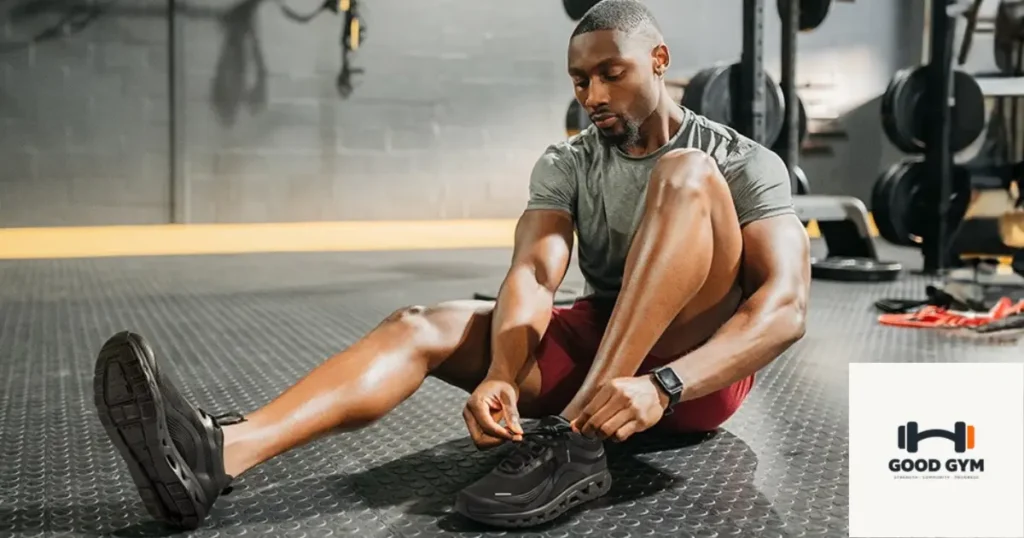
A beginner does not need to spend hours in the gym. A workout lasting around 30 to 60 minutes can be enough, depending on your goals and training style.
A basic session could include a short warm-up, 20 to 40 minutes of exercise, and a few minutes of easy movement afterward. Even shorter workouts can be useful when you are busy.
Focus on the quality and consistency of your training rather than trying to make every workout extremely long.
3. Is It Better to Do Cardio or Strength Training First?
Both cardio and aerobic exercise have an important place in a balanced fitness routine.”Cardio can improve cardiovascular endurance, while resistance training helps build muscle strength and supports healthy movement.
If you combine both in one session, consider doing the type of exercise that is most important for your current goal first. For example, someone focused on improving strength may want to perform resistance exercises before a longer cardio session.
Over the course of a week, combining both training styles can give your fitness routine more variety.
4. Do Beginners Need a Workout Plan?
A workout plan can make exercise easier because you know what you are supposed to do each day. Without a plan, beginners may jump randomly between exercises or train too hard on some days and do very little on others.
Your plan does not need to be complicated. You could schedule three full-body strength sessions, several walks, and one or two recovery days.
As you gain experience, you can adjust your training based on your progress, available time, and fitness goals.
5. Should You Warm Up Before Exercise?
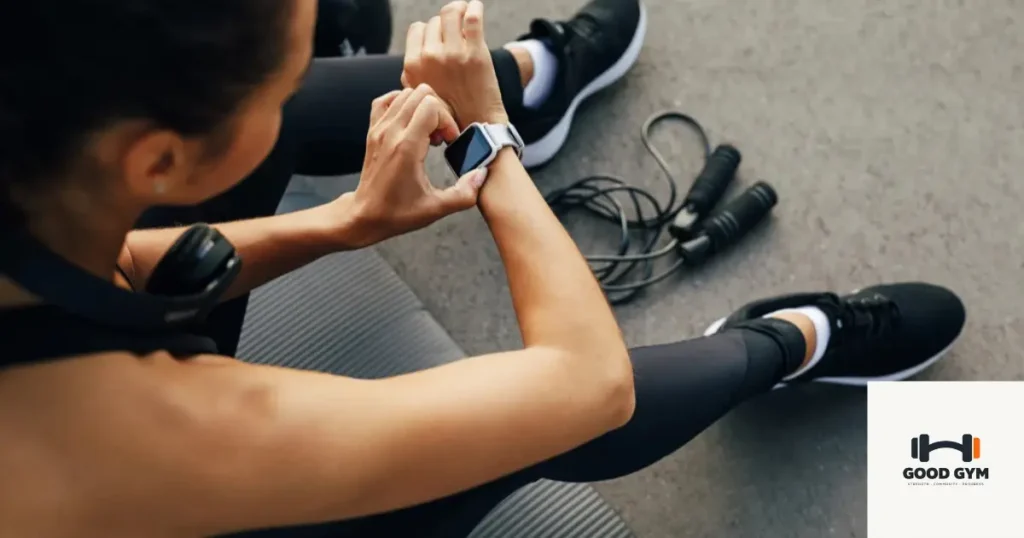
Yes. A warm-up prepares your body for the movements you are about to perform. It can gradually increase your heart rate, raise muscle temperature, and help you move more comfortably.
A beginner warm-up can be simple. Try five to ten minutes of easy walking, cycling, arm circles, bodyweight squats, or other dynamic movements related to your workout.
You do not need a complicated warm-up routine. The goal is to prepare your body rather than exhaust yourself before the main workout.
6. What Type of Exercise Is Best for Beginners?
For beginners interested in improving endurance, Zone 2 cardio workouts can also be a useful option to learn about. The best starting point depends on your goals, current fitness level, preferences, and any equipment you have available.
Some useful beginner exercises include:
- Bodyweight squats
- Glute bridges
- Walking
- Stationary cycling
- Wall or incline push-ups
- Step-ups
- Planks
- Resistance band exercises
Choose movements that you can perform comfortably and with controlled technique. You can make them harder as your strength and endurance improve.
7. Should Beginners Lift Weights?
Beginners can use resistance training to develop strength, improve movement, and build muscle. You do not have to start with heavy weights.
Bodyweight exercises, resistance bands, dumbbells, machines, and other forms of resistance can all be useful. Start with a manageable level of resistance that allows you to maintain proper exercise form.
Over time, gradually increasing the challenge is known as progressive overload. This can involve adding a small amount of weight, performing additional repetitions, or improving your control and range of motion.
8. How Do Beginners Know If Their Exercise Form Is Correct?
Proper exercise form should come before increasing weight or repetitions. Good technique helps you perform the intended movement effectively and reduces unnecessary strain.
When learning a new exercise, start slowly. Watch reliable demonstrations, use a lighter resistance, and practice the movement before making it harder.
If you are unsure about your technique, working with a qualified fitness professional can help you learn the movement safely.
9. Can You Get Fit Without Going to a Gym?
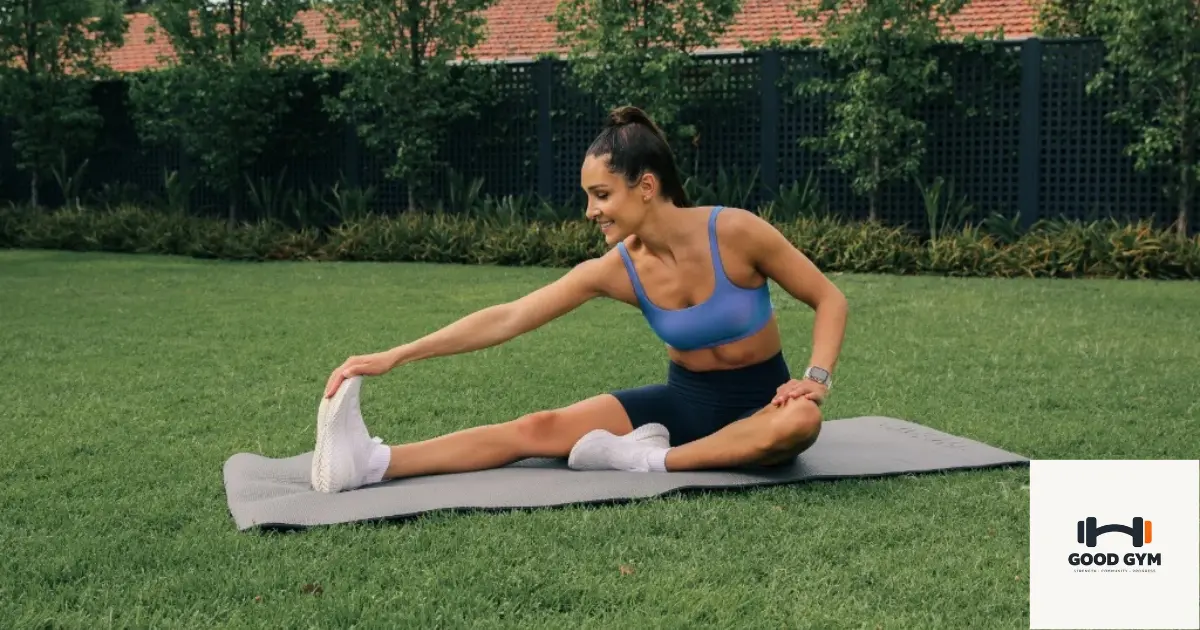
Absolutely. A gym is useful because it provides access to different equipment, but it is not essential for improving fitness.
You can exercise at home with bodyweight movements, resistance bands, or a pair of dumbbells. Walking, running, cycling, and other outdoor activities can also improve cardiovascular fitness.
The best workout environment is often the one that makes it easier for you to exercise consistently.
10. How Many Rest Days Should Beginners Take?
Recovery is an important part of any beginner workout routine. Your body needs time to repair and adapt after challenging exercise.
Many beginners can benefit from at least one complete rest day each week, while additional recovery days may be useful depending on workout intensity and individual needs.
Rest does not always mean lying down all day. Gentle walking, stretching, or other low-intensity activity can be appropriate on easier recovery days.
11. Is Muscle Soreness Normal After a Workout?
Some muscle soreness is common when you start a new exercise routine or introduce movements your body is not accustomed to. This delayed soreness is often called delayed onset muscle soreness, or DOMS.
However, being extremely sore is not proof that your workout was better. You can make progress without feeling sore after every session.
If you experience sharp pain, significant swelling, or an injury-like sensation rather than normal muscle soreness, stop the activity and seek appropriate medical guidance.
12. What Should Beginners Eat Before a Workout?
There is no single perfect pre-workout meal. Your choice can depend on when you exercise, how intense the session will be, and what foods your body tolerates comfortably.
Simple options can include a banana, oatmeal, yogurt, fruit, whole-grain toast, or another balanced snack.
If you are exercising soon after eating, a smaller meal may feel more comfortable. The main goal is to support your energy without making yourself uncomfortable during training.
13. What Should You Eat After Exercise?
After a workout, focus on a balanced meal that provides protein, carbohydrates, healthy fats, and fluids. Protein supports muscle repair, while carbohydrates help replenish energy stores.
Practical options include eggs with whole-grain toast, chicken with rice and vegetables, yogurt with fruit and oats, beans with rice, or fish with potatoes and vegetables.
You do not need expensive supplements to make progress. A balanced diet can provide many of the nutrients your body needs for recovery.
14. How Much Water Should Beginners Drink?
Hydration matters because your body loses fluid through normal daily activity and sweating during exercise. Your individual fluid requirements can vary depending on temperature, exercise duration, activity intensity, and how much you sweat.
Drink water regularly throughout the day and pay attention to thirst. Longer or particularly sweaty workouts may require more attention to fluid replacement.
Keeping a water bottle nearby can make regular hydration easier.
15. How Long Does It Take to See Fitness Results?
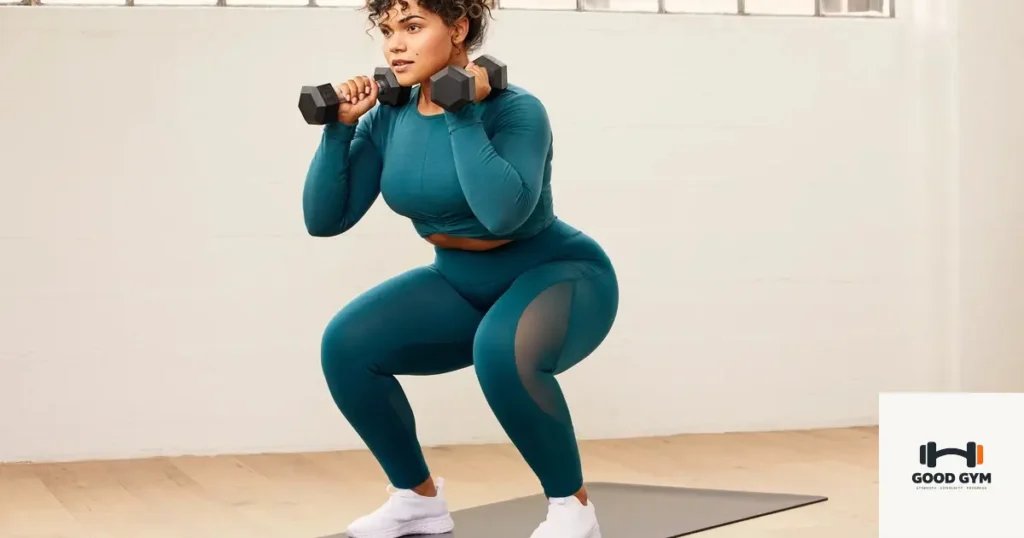
There is no exact timeline that applies to everyone. Your results can depend on your starting point, training consistency, nutrition, sleep, recovery, genetics, and fitness goals.
You may notice improvements in energy, exercise technique, endurance, or strength before you see major physical changes.
Instead of judging your progress only by body weight, track meaningful changes such as increased repetitions, improved strength, longer walks, better endurance, or improved exercise form.
16. How Can Beginners Stay Motivated to Exercise?
Motivation naturally changes from day to day. Instead of depending entirely on motivation, build a routine that makes exercise easier to repeat.
Try scheduling workouts at convenient times, choosing activities you enjoy, setting small goals, and tracking your progress. Exercising with a friend can also provide accountability.
On days when motivation is low, reducing your workout to a short session can be better than skipping movement completely. A small amount of activity can help maintain your routine.
17. What Are the Most Common Beginner Workout Mistakes?
Many beginners make the mistake of trying to progress too quickly. Doing more exercise is not always better, especially when your body is still adapting.
Common mistakes include:
- Using more weight than you can control
- Ignoring proper exercise form
- Skipping recovery days
- Changing workouts too frequently
- Comparing your progress with other people
- Expecting immediate physical changes
- Ignoring persistent pain
A gradual approach allows you to build a stronger foundation and develop sustainable exercise habits.
18. How Can Beginners Measure Fitness Progress?
Your progress can be measured in many ways. The scale is only one possible measurement and does not tell the complete story.
Depending on your goals, you can track:
- Strength and resistance levels
- Number of repetitions
- Walking or running distance
- Workout duration
- Cardiovascular endurance
- Exercise technique
- Energy levels
- Consistency from week to week
Keeping a simple workout log can help you see improvements that might otherwise be easy to miss.
How Can You Build a Sustainable Beginner Fitness Routine?
The best routine is one that you can realistically continue. Start with manageable workouts instead of copying an advanced training schedule.
A simple week might include three strength sessions, a few walks or cardio sessions, and at least one full rest day. You can adjust the schedule according to your lifestyle and recovery.
As your fitness improves, gradually increase the difficulty. This could mean adding resistance, repetitions, workout time, or more challenging variations of familiar exercises.
Remember that fitness is a long-term process. Your goal should not be to become fit in a few days but to develop habits that continue working for you months and years from now.
Conclusion
Understanding the basics can remove much of the confusion that comes with starting exercise. These fitness questions for beginners cover the most important areas, including workout frequency, strength training, cardio, exercise form, nutrition, hydration, recovery, motivation, and progress tracking.
You do not need an advanced program or expensive equipment to begin. Start with exercises you can perform confidently, keep your workouts manageable, and increase the challenge gradually. Give your body enough time to recover and pay attention to how you feel during training. Most importantly, focus on consistency rather than perfection. Fitness progress takes time, but small improvements repeated week after week can help you become stronger, fitter, and more confident while creating healthy habits that can last for years.
FAQs
What is the best workout for a complete beginner?
A simple full-body routine that includes basic strength exercises, walking, and mobility work can be a practical starting point. Choose exercises that match your current ability and focus on proper form.
How many days a week should a beginner exercise?
Three workout days per week can be a manageable starting point for many beginners. You can increase activity gradually as your fitness and recovery improve.
Can beginners exercise at home?
Yes. Beginners can perform many effective exercises at home without gym equipment, including squats, lunges, push-up variations, glute bridges, planks, and other bodyweight movements.
Should beginners focus on weight loss or strength?
It depends on your personal goal. A balanced routine that includes resistance training and cardiovascular activity can support overall fitness while nutrition and daily activity influence body composition.


Leave a Reply