

Introduction
Resistance training and strength training are often used as if they mean the same thing, but they have slightly different goals. Both can help you become stronger, build muscle, improve fitness, and support a healthy body. The main difference is what you focus on during your workouts. Resistance training vs strength training can be understood by looking at the type of resistance you use, the number of repetitions, the amount of weight, and your main training goal.
Some people train to increase muscle size, while others want to lift heavier weights or improve physical performance. Understanding these differences can help you choose a workout plan that matches your goals. In this guide, we will explain resistance training, strength training, muscle growth, weight training, hypertrophy, and how they work together.
Table of Contents
- What Is Resistance Training vs Strength Training?
- What Is Resistance Training?
- What Is Strength Training?
- Resistance Training vs Strength Training: Key Differences
- Resistance Training vs Weight Training
- Benefits of Weight Training
- Hypertrophy vs Strength Training
- Strength vs Muscle Mass
- How Resistance Training Builds Muscle and Strength
- Best Resistance Training Exercises
- How to Choose Between Resistance and Strength Training
- Resistance Training and Strength Training for Beginners
- How Often Should You Train?
- Common Resistance Training Mistakes
- Frequently Asked Questions
- Final Thoughts
What Is Resistance Training vs Strength Training?
Resistance training is a broad type of exercise in which your muscles work against some form of resistance. That resistance can come from dumbbells, barbells, resistance bands, machines, cables, body weight, or other equipment.
Strength training is more specifically focused on improving how much force your muscles can produce. For example, someone training for strength may gradually work toward lifting a heavier squat, deadlift, bench press, or other compound exercise.
This means strength training can be considered a form of resistance training.
The easiest way to understand the difference is:
Resistance training = training your muscles against resistance.
Strength training = resistance training with a strong focus on increasing strength and force production.
There is considerable overlap between the two. A person can use the same exercise, such as a squat, for general resistance training, muscle hypertrophy, or strength development. The difference often comes from the weight used, repetitions, rest periods, exercise selection, and overall training program.
What Is Resistance Training?

Resistance training involves exercises that make your muscles work harder than they normally would during everyday activities.
The resistance creates a challenge for your muscles. With consistent training and recovery, your body adapts to that challenge. Over time, this can improve muscular strength, endurance, movement ability, and muscle development.
Resistance training is not limited to traditional gym workouts. You can perform effective resistance exercises at home, in a gym, or outdoors. The important part is that your muscles are working against a meaningful level of resistance.
Free Weights
Dumbbells, barbells, kettlebells, and other free weights are popular choices for resistance training. They allow you to perform exercises such as squats, lunges, rows, presses, curls, and deadlifts.
Free weights can be useful because they allow a wide range of movement and make it easy to gradually increase the resistance as your strength improves.
Resistance Bands
Resistance bands provide external resistance without requiring heavy weights. They are useful for home workouts, travel, warm-ups, and beginner exercise programs.
Bands come in different resistance levels, allowing you to choose a challenge that matches your current fitness level. They can also be used for exercises targeting the upper body, lower body, and core.
Weight Machines
Weight machines can provide controlled resistance and make it easier to target specific muscles. They can be useful for beginners because the movement path is often easier to control.
Machines are also useful for people who want to isolate particular muscle groups. Examples include the leg press, chest press, leg curl, leg extension, and lat pulldown.
Bodyweight Exercises
Your own body weight can provide enough resistance for many exercises. Push-ups, pull-ups, squats, lunges, dips, and planks are common examples.
Bodyweight resistance training can be a convenient option when you do not have access to gym equipment. As you become stronger, you can make exercises more challenging by increasing repetitions, changing the exercise variation, slowing the movement, or adding external resistance.
What Is Strength Training?
Strength training is designed primarily to improve muscular strength and physical performance.
Strength is not simply about having large muscles. It also depends on your nervous system, exercise technique, coordination, and ability to produce force.
A strength-focused workout often uses challenging resistance and lower repetitions. Exercises such as squats, deadlifts, bench presses, overhead presses, rows, and pull-ups can be included in a strength training program.
A typical strength workout may involve:
- Challenging resistance
- Lower or moderate repetitions
- Longer rest periods
- Careful exercise technique
- Progressive overload
- Compound movements
- Consistent recovery
However, strength training does not mean every workout has to involve extremely heavy weights. Beginners can develop strength with moderate resistance while learning proper movement patterns and building a strong foundation.
Strength Training and Progressive Overload
Progressive overload is an important part of strength development. It means gradually increasing the challenge placed on your muscles over time.
You can increase the challenge by adding weight, performing more repetitions, improving your technique, increasing the number of sets, or using a more difficult exercise variation.
The goal is not to increase the workload every single workout. Instead, your training should gradually become more challenging as your body adapts.
Resistance Training vs Strength Training: Key Differences
The biggest difference between resistance training and strength training is the primary goal.
Resistance training can be used for general fitness, muscle growth, muscular endurance, body composition, and strength. Strength training puts greater emphasis on increasing the amount of force you can produce.
For example, imagine two people performing the bench press.
The first person performs three sets of 12 repetitions with a moderate weight. Their goal is to challenge the muscles and support muscle growth.
The second person performs several sets of five repetitions with a heavier weight and longer rest periods. Their main goal is to improve their ability to lift heavier loads.
Both people are performing resistance training, but the second approach is more strength focused.
Training variables can be adjusted according to the goal. Repetitions, resistance, rest periods, training frequency, exercise selection, and progression can all influence the results of a workout program.
How Resistance Training Builds Muscle and Strength
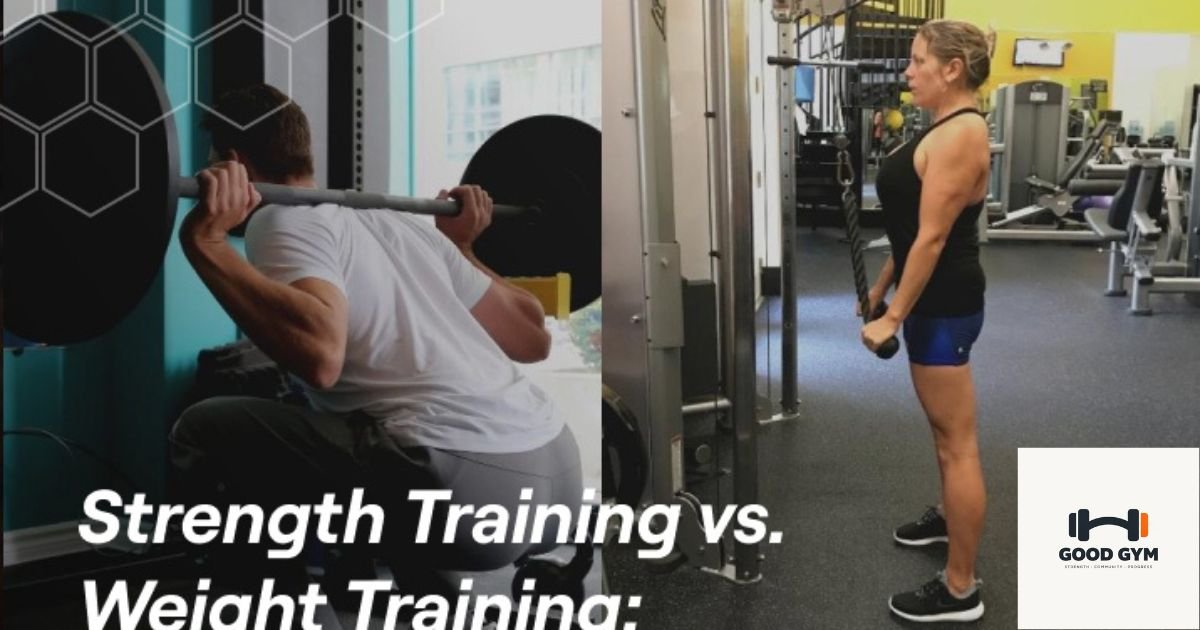
Resistance training gives your muscles a reason to adapt. When you perform a challenging exercise, your muscles work against resistance and experience mechanical tension. With regular training and proper recovery, your body gradually adapts to the workload.
These adaptations can include improved muscular strength, better movement control, increased muscular endurance, and, when the training and nutrition support it, increased muscle size.
The process does not happen after one workout. Muscle growth and strength development require consistency over weeks and months. This is why following a structured resistance training program is usually more effective than exercising randomly.
Your body also needs enough recovery between challenging workouts. Sleep, nutrition, hydration, and appropriate training volume all contribute to your ability to recover and improve.
Progressive Overload
Progressive overload is one of the most important principles of resistance training. It means gradually increasing the challenge placed on your muscles as you become more capable.
Increasing weight is one way to use progressive overload, but it is not the only method. You can also increase repetitions, add a set, improve your range of motion, use a more difficult exercise variation, or improve your exercise technique.
For example, if you can comfortably perform 10 push-ups today, you might work toward 12 or 15 over time. Once regular push-ups become easy, you could use a more challenging variation.
The goal is gradual improvement rather than trying to make every workout harder than the previous one.
Recovery and Muscle Growth
Your muscles need time to recover after resistance training. Training provides the stimulus, but recovery allows your body to adapt to that stimulus.
Getting enough sleep and eating a balanced diet can support recovery. Protein is particularly important because it provides amino acids needed for muscle repair and maintenance.
Training the same muscle group intensely every day is not necessary for most people. A well-planned schedule gives muscles enough time to recover before they are challenged again.
Best Resistance Training Exercises
There are many effective resistance exercises, and you do not need to perform all of them. A good workout program should include movements that train the major muscle groups while matching your fitness level and goals.
Squats
Squats are a popular lower-body exercise that primarily trains the quadriceps and glutes while also involving other muscles around the hips and core.
Beginners can start with bodyweight squats before progressing to goblet squats, dumbbell squats, or barbell squats.
Deadlifts
Deadlift variations train the muscles of the posterior chain, including the glutes, hamstrings, and back. They also require strong core control and good lifting technique.
Beginners should learn the movement pattern with a manageable resistance before attempting heavy loads.
Bench Press
The bench press is a common upper-body strength exercise that primarily works the chest, shoulders, and triceps.
Dumbbell presses and push-ups can also train similar pushing muscles and may be useful alternatives depending on your equipment and experience.
Rows
Rowing exercises are useful for developing the upper back and pulling strength. Dumbbell rows, cable rows, machine rows, and barbell rows are common variations.
Strong pulling movements can complement pressing exercises and help create a balanced upper-body workout.
Overhead Press
The overhead press trains the shoulders and triceps while also requiring control from the core and upper body.
You can perform this movement with dumbbells, a barbell, or a suitable machine depending on your experience and available equipment.
Lunges
Lunges are a useful lower-body exercise that trains the legs individually. They can also challenge balance and coordination.
Walking lunges, reverse lunges, and stationary lunges can all be included in a resistance training program.
Pull-Ups
Pull-ups are a challenging bodyweight exercise that primarily works the back and arms. Beginners who cannot perform a full pull-up can start with assisted variations or controlled progressions.
Push-Ups
Push-ups are one of the simplest resistance exercises and can be performed almost anywhere. They train the chest, shoulders, triceps, and core.
As your strength improves, you can increase repetitions or move to more challenging push-up variations.
How to Choose Between Resistance and Strength Training
You do not always have to choose between resistance training and strength training. In many cases, a well-designed workout program can include both.
The best approach depends on your main fitness goal.
If Your Goal Is General Fitness
A general fitness program can combine resistance exercises, cardiovascular activity, mobility work, and basic strength exercises.
You do not need to focus entirely on heavy lifting. The goal is to develop a balanced level of strength, endurance, mobility, and physical fitness.
If Your Goal Is Strength
If becoming stronger is your main goal, place greater emphasis on progressive resistance and exercises that allow you to measure improvements in performance.
Compound exercises such as squats, deadlifts, presses, and rows can form an important part of a strength-focused program.
If Your Goal Is Muscle Growth
If your main goal is increasing muscle size, your program can place more emphasis on hypertrophy training and sufficient weekly training volume.
You can use both compound and isolation exercises. The important factors include training consistency, adequate nutrition, progressive overload, and recovery.
If Your Goal Is Fat Loss
Resistance training can be useful during a fat-loss program because it helps provide a stimulus for maintaining muscle while you reduce body fat.
However, fat loss depends heavily on your overall energy balance. Resistance training works best alongside appropriate nutrition, regular physical activity, and a sustainable lifestyle.
Resistance training can support fat loss by helping you maintain muscle while you reduce body fat. Combining resistance workouts with cardio can improve overall calorie expenditure and fitness. For people who enjoy shorter, harder sessions, HIIT workouts with weights can be another option to include in a balanced training routine.
Resistance Training and Strength Training for Beginners
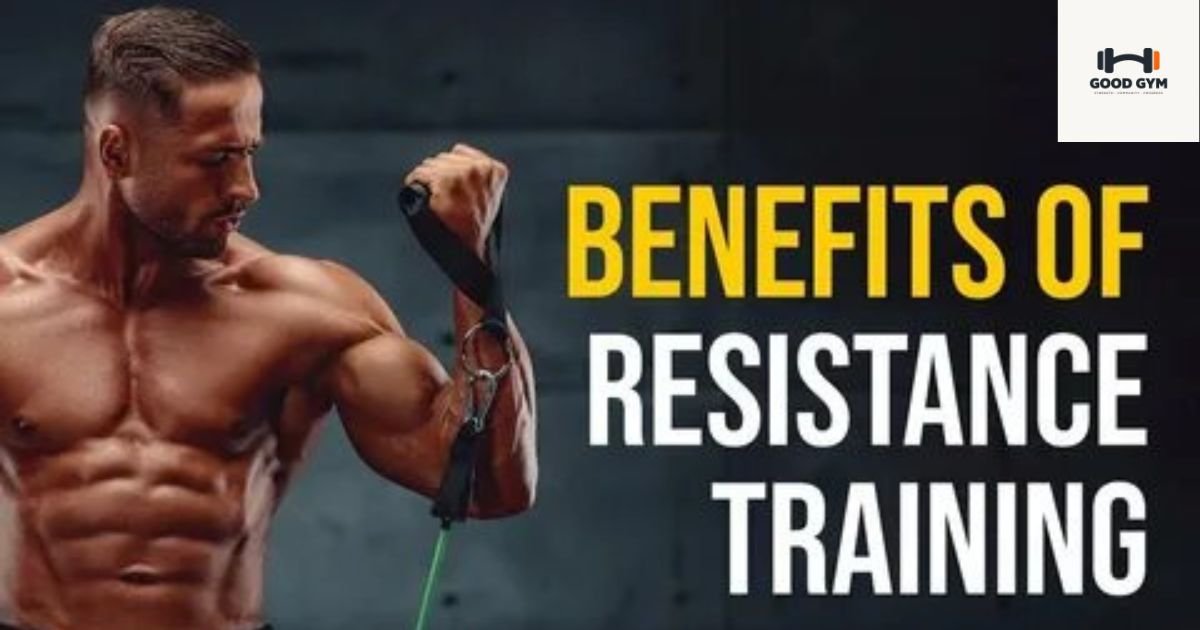
Beginners should not immediately try to lift the heaviest weight possible. The first priority should be learning proper exercise technique and becoming consistent with training.
Starting with manageable resistance allows you to learn how each movement feels and gives you room to progress.
Start With Basic Movement Patterns
A beginner workout can include exercises that cover major movement patterns, such as squatting, pushing, pulling, hinging, lunging, and core stabilization.
For example, a beginner could use squats, push-ups, rows, lunges, hip hinges, shoulder presses, and planks.
You do not need dozens of exercises in one workout. A small number of well-chosen movements performed consistently can provide a strong foundation.
Use a Manageable Resistance
Choose a resistance that allows you to perform the exercise with controlled technique. If your form breaks down early in a set, the resistance may be too heavy for your current ability.
As you become stronger and more comfortable with the movements, you can gradually increase the challenge.
Do Not Compare Yourself With Experienced Lifters
Every person starts at a different fitness level. Comparing your current strength with someone who has trained for years can make progress feel slower than it really is.
Instead, track your own improvements. Performing more repetitions, using better technique, increasing resistance, or feeling more confident during an exercise are all useful signs of progress.
How Often Should You Train?
How often you should perform resistance training depends on your fitness level, goals, recovery, and weekly schedule. There is no single training frequency that works perfectly for everyone.
Many people can make good progress with two to four resistance training sessions per week. Beginners often benefit from starting with two or three full-body workouts each week. This gives them enough time to practice the exercises while also allowing their muscles to recover.
More experienced lifters may use different workout schedules, such as upper-body and lower-body training days or push, pull, and legs routines.
Training Two to Three Days Per Week
Two or three weekly sessions can be a practical starting point for beginners. A full-body workout can train the major muscle groups during each session.
This approach is useful for people who have limited time but still want to improve strength, muscle development, and general fitness.
Training Four or More Days Per Week
People with more training experience may prefer four or more sessions each week. Splitting workouts across different muscle groups can make it easier to manage training volume.
However, training more frequently does not automatically mean better results. Your body still needs enough recovery between challenging workouts.
Why Recovery Matters
Recovery is an important part of resistance training. Muscles need time to repair and adapt after demanding workouts.
Sleep, nutrition, hydration, stress levels, and total training volume can all influence recovery. If your performance continues to decrease, you feel unusually tired, or you struggle to recover between workouts, your training schedule may need adjustment.
More exercise is not always better. Consistent training combined with appropriate recovery is usually more sustainable.
Common Resistance Training Mistakes
Resistance training can be highly effective, but beginners and experienced lifters can both make mistakes that limit progress. Understanding common problems can help you create a safer and more effective workout routine.
Using Too Much Weight
One of the most common mistakes is choosing a weight that is too heavy to control properly. Heavy resistance is useful for strength development, but only when you can perform the exercise with appropriate technique.
If your form breaks down during every repetition, reducing the resistance can help you perform the movement more effectively.
Ignoring Exercise Technique
Good technique helps you control the movement and target the intended muscles. Beginners should spend time learning the basic movement patterns before focusing heavily on increasing weight.
Controlled repetitions are generally more useful than simply moving a heavy weight from one position to another.
Changing the Program Too Often
Constantly changing exercises can make it difficult to measure progress. Your body needs enough time to adapt to a training program.
You do not need to change your exercises every week just to keep your workouts interesting. Small adjustments can be useful, but consistency is important.
Not Using Progressive Overload
If your training challenge never changes, progress may eventually slow. Once an exercise becomes easier, you can gradually increase repetitions, resistance, sets, or difficulty.
Progressive overload should be gradual. Trying to increase the weight too quickly can make it harder to maintain good technique.
Neglecting Recovery
Some people believe that training harder every day will automatically produce faster results. In reality, insufficient recovery can affect performance and make it difficult to maintain consistent training.
Allow your muscles enough time to recover and pay attention to sleep, nutrition, and hydration.
Focusing Only on Muscle Size
Muscle size is only one way to measure progress. Strength, endurance, movement quality, flexibility, balance, and physical performance are also important.
A person may become stronger without dramatic changes in appearance, particularly during the early stages of resistance training.
Can Resistance Training Improve Strength Without Building Large Muscles?
Yes. Resistance training can improve strength without causing a dramatic increase in muscle size, particularly when you are new to exercise.
Early strength improvements often come partly from changes in the nervous system. Your body becomes better at coordinating the muscles involved in a movement and activating them efficiently.
Improved exercise technique can also make you stronger. When you learn how to position your body correctly and control a movement, you may be able to perform the same exercise with more resistance.
However, muscle growth can become increasingly important for long-term strength development. Larger and stronger muscles can provide greater potential for producing force.
Why Beginners Often Get Stronger Quickly
When you first begin resistance training, your body is learning new movements. Your nervous system becomes more efficient, your coordination improves, and your technique becomes more consistent.
As a result, beginners can sometimes increase the amount of weight they lift relatively quickly without gaining a large amount of visible muscle.
This is normal and is one reason beginners should focus on learning good movement patterns rather than worrying about how much weight they can lift immediately.
Resistance Training for Muscle Growth
If your primary goal is building muscle, resistance training should provide enough challenging work for the major muscle groups. Your program should also allow you to gradually increase the training stimulus over time.
Muscle growth is influenced by several factors, including training volume, resistance, repetitions, exercise selection, recovery, nutrition, and consistency.
Training Volume
Training volume refers broadly to the amount of work you perform during your workouts. Sets, repetitions, and resistance all contribute to the overall training workload.
Instead of trying to perform as much work as possible, focus on using an amount of training that you can recover from and maintain consistently.
Protein and Nutrition
Nutrition plays an important role in muscle development. Protein provides amino acids that your body uses for muscle repair and maintenance.
Good protein sources include eggs, chicken, fish, lean meat, milk, yogurt, beans, lentils, and other protein-rich foods.
A balanced diet should also provide carbohydrates, healthy fats, vitamins, minerals, and enough overall energy to support your training goals.
Sleep and Recovery
Training is only one part of muscle growth. Your body also needs adequate recovery.
Getting enough quality sleep and allowing appropriate rest between demanding workouts can help you maintain better training performance and consistency.
Resistance Training for Fat Loss
Resistance training can be useful when your goal is to reduce body fat. During a calorie deficit, maintaining muscle becomes an important consideration.
Strength and resistance exercises provide a reason for your body to maintain muscle tissue while you work toward losing fat.
However, resistance training alone does not guarantee fat loss. Your overall calorie intake, daily activity, cardiovascular exercise, sleep, and lifestyle habits also influence changes in body weight and body composition.
Combining Resistance Training With Cardio
Many people combine resistance training with cardiovascular exercise. Cardio can improve cardiovascular fitness and increase physical activity, while resistance training supports muscle and strength.
You can choose activities such as walking, cycling, jogging, swimming, or other forms of cardio according to your fitness level and preferences.
The best combination is one that you can perform consistently without negatively affecting your recovery.
How Strength Training Can Improve Everyday Life
Strength training is not only for athletes, bodybuilders, or people who want to lift extremely heavy weights. Everyday activities also require strength.
Carrying grocery bags, climbing stairs, lifting objects, getting up from a chair, moving household items, and performing physical tasks all require some level of muscular strength.
As your strength improves, some everyday activities may feel easier. Better muscular fitness can also help you feel more confident when performing physical tasks.
Strength for Daily Movement
Strong legs can help with walking, climbing stairs, and standing up. Strong upper-body muscles can help with pushing, pulling, carrying, and lifting.
Core strength can also help you maintain control during different movements and exercises.
Strength for Long-Term Fitness
Maintaining strength is useful throughout life. Regular resistance exercise can help you stay physically active and support your ability to perform everyday movements.
This is why resistance training can be valuable even if you have no interest in bodybuilding or competitive strength sports.
Frequently Asked Questions
What is the difference between resistance training and strength training?
Resistance training is a broad type of exercise where your muscles work against resistance from weights, bands, machines, cables, or your body weight. Strength training is a type of resistance training that focuses more specifically on improving muscular strength and force production.
Is resistance training the same as weight training?
No. Weight training is one form of resistance training that usually involves dumbbells, barbells, kettlebells, or weight machines. Resistance training is a broader term that also includes bodyweight exercises, resistance bands, and cable exercises.
Is resistance training good for building muscle?
Yes. Resistance training can support muscle growth when it provides a sufficient training stimulus. Progressive overload, appropriate training volume, adequate protein, calories, sleep, and recovery all play important roles in muscle development.
Can you build muscle and strength at the same time?
Yes. Muscle growth and strength development can occur together. Beginners often experience improvements in both areas. A well-designed program can combine strength-focused exercises with hypertrophy training to support both goals.
Is strength more important than muscle mass?
Neither is always more important. Strength and muscle mass are different measures of physical fitness. Strength describes your ability to produce force, while muscle mass refers to the amount of muscle tissue you have. Your ideal focus depends on your personal goal.
How many days a week should I do resistance training?
Many people can make good progress with two to four resistance training sessions per week. Beginners can often start with two or three full-body workouts and gradually increase their training as they become more experienced.
Can resistance training help with fat loss?
Yes. Resistance training can help support muscle maintenance while you work toward reducing body fat. For effective fat loss, resistance training should be combined with appropriate nutrition, regular physical activity, and a sustainable calorie deficit when appropriate.
Does lifting heavy weights make you bulky?
Not automatically. Building significant muscle size requires consistent training, appropriate nutrition, recovery, and time. Strength training can improve your ability to lift heavier weights without necessarily causing large increases in muscle size.
Conclusion
Understanding the difference between resistance training and strength training can make it easier to create a workout plan that matches your goals. Resistance training is the broader category and includes exercises using weights, machines, resistance bands, cables, and body weight. Strength training is more focused on improving your ability to produce force and perform challenging movements.
Both approaches can help improve strength, muscle development, endurance, physical performance, and overall fitness. You also do not have to choose only one. A balanced program can combine strength-focused exercises with hypertrophy and general resistance training.
If you are a beginner, start with manageable resistance and focus on learning proper technique. As you become stronger, gradually increase the challenge through progressive overload. Give your body enough time to recover and support your training with good nutrition, hydration, and quality sleep.
Ultimately, the best training method is the one that matches your goals and that you can follow consistently. Whether you want to build muscle, increase strength, improve body composition, or become fitter for everyday life, resistance training can be an important part of a long-term fitness routine.


Leave a Reply