Introduction
If you want a stronger, wider, and more muscular back, using gym machines can make your workouts easier to control and more effective. The best back exercises gym machine workouts allow you to train important muscles such as the lats, rhomboids, trapezius, and spinal erectors while maintaining a stable body position.
This can be especially helpful for beginners who are still learning proper lifting technique. Machine-based back exercises can also help experienced lifters add resistance safely and focus on the target muscles. In this guide, you will learn the most effective back workout machines, how to use them correctly, which muscles they target, and how to build a complete machine-based back workout.
Why Should You Use Machines for Back Exercises?
Back training can be challenging because many exercises require good balance, coordination, and technique. Gym machines provide support and guide your movement through a controlled range of motion. This makes them a useful option for people who want to concentrate on their back muscles instead of worrying about stabilizing heavy free weights.
Another advantage is that machines make it simple to adjust resistance. You can gradually increase the weight as your strength improves, which supports progressive overload. A good machine back workout can also include different exercises to target both the upper and lower portions of your back.
What Are the Best Back Exercises Gym Machine Options?
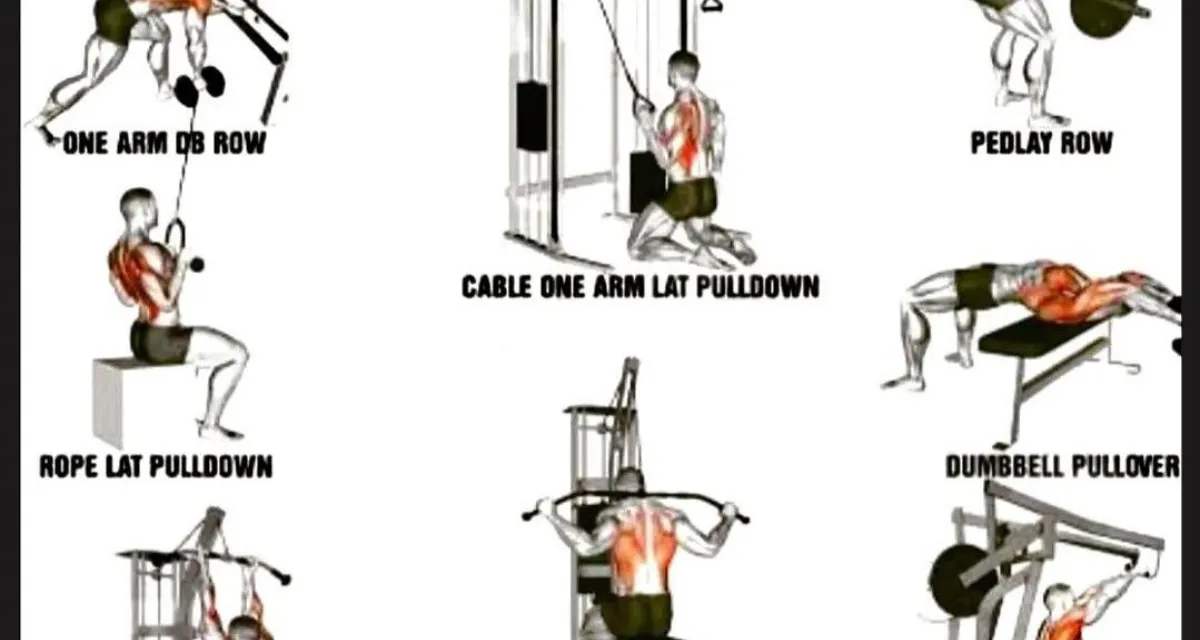
There are several effective machines for back training. You do not need to use every machine during one workout. Instead, choose exercises that cover different movement patterns and muscle groups.
1. Lat Pulldown Machine
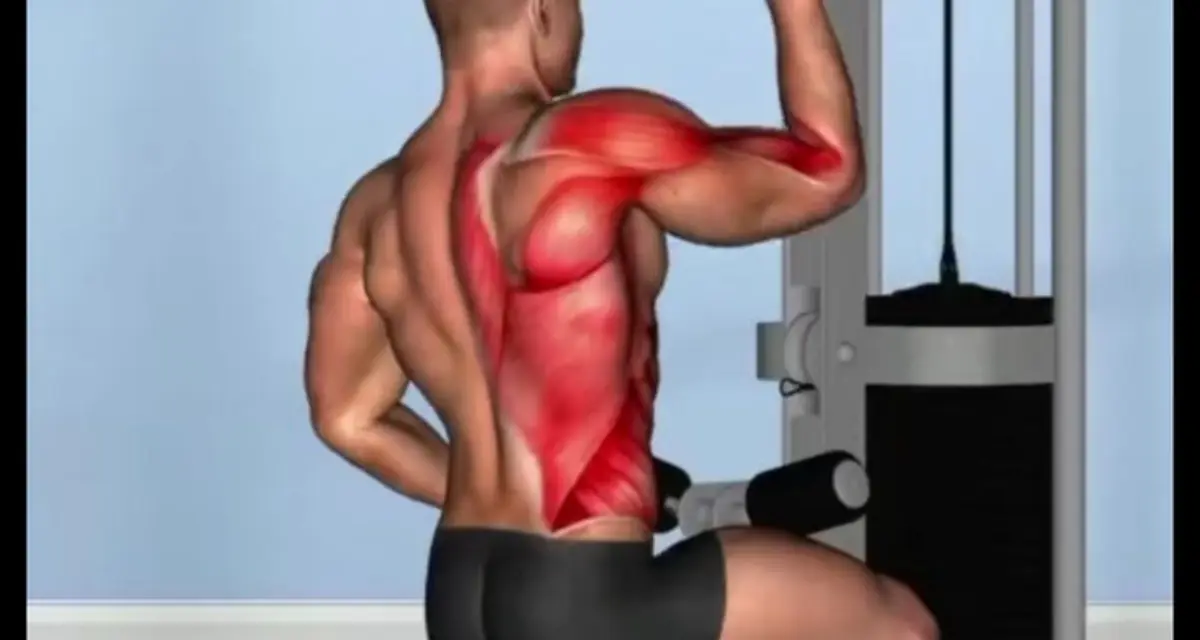
The lat pulldown is one of the most popular gym machine exercises for back training. It primarily works the latissimus dorsi, commonly called the lats. These large muscles contribute to the width and overall shape of your back.
To perform it, sit comfortably on the machine and secure your thighs under the pads. Grip the bar slightly wider than shoulder width. Pull the bar toward your upper chest while keeping your torso controlled. Slowly return the bar to the starting position without allowing the weight to drop.
Primary muscles: Latissimus dorsi, biceps, rhomboids, trapezius.
2. Seated Cable Row Machine
The seated row is another excellent choice for building back thickness. It places emphasis on the middle back and teaches you how to pull your shoulder blades together under resistance.
Sit with your feet supported and hold the handle with both hands. Keep your chest lifted and your back neutral. Pull the handle toward your waist while squeezing your shoulder blades. Pause briefly, then slowly extend your arms.
Primary muscles: Rhomboids, middle trapezius, lats, rear shoulders and biceps.
3. Chest-Supported Row Machine
A chest-supported row machine is useful when you want to train your back without placing excessive demands on your lower back. The chest pad keeps your torso stable, allowing you to concentrate on pulling with your back muscles.
Place your chest firmly against the pad and grab the handles. Pull your elbows backward while keeping your shoulders controlled. Squeeze your upper back at the end of the movement and slowly return to the starting position.
Primary muscles: Upper back, rhomboids, trapezius and lats.
4. Assisted Pull-Up Machine
The assisted pull-up machine is a great option for beginners who want to develop the strength required for bodyweight pull-ups. The machine provides assistance, allowing you to practice the movement while gradually becoming stronger.
Place your knees or feet on the assisted platform according to the machine design. Grip the handles and pull your body upward while keeping your core tight. Lower yourself slowly instead of allowing the machine to control the entire movement.
Primary muscles: Lats, biceps, rhomboids and upper back muscles.
5. Back Extension Machine
If your goal includes strengthening the lower back, a back extension machine can be useful when performed with proper technique. It mainly targets the muscles responsible for extending and stabilizing the spine.
Adjust the machine so that you are positioned comfortably and maintain a neutral spine throughout the movement. Move through a controlled range rather than aggressively bending or extending your lower back. Start with light resistance and focus on technique.
Primary muscles: Spinal erectors, glutes and hamstrings.
6. High Row Machine
The high row machine provides a different pulling angle that can help develop the upper and middle back. It is particularly useful for people who want more variety in their machine-based back training.
Keep your chest supported if the machine provides a pad. Pull the handles toward your upper torso while driving your elbows backward. Avoid using momentum to move the weight.
Primary muscles: Lats, rhomboids, trapezius and rear deltoids.
7. Reverse Fly Machine
The reverse fly machine is mainly used to train the rear shoulders, but it also works muscles across the upper back. It can be a useful finishing exercise after heavier rows and pulldowns.
Adjust the seat so that the handles are approximately level with your shoulders. Hold the handles and move your arms outward while keeping the movement controlled. Avoid swinging your body to lift heavier weights.
Which Back Muscles Do Gym Machines Work?
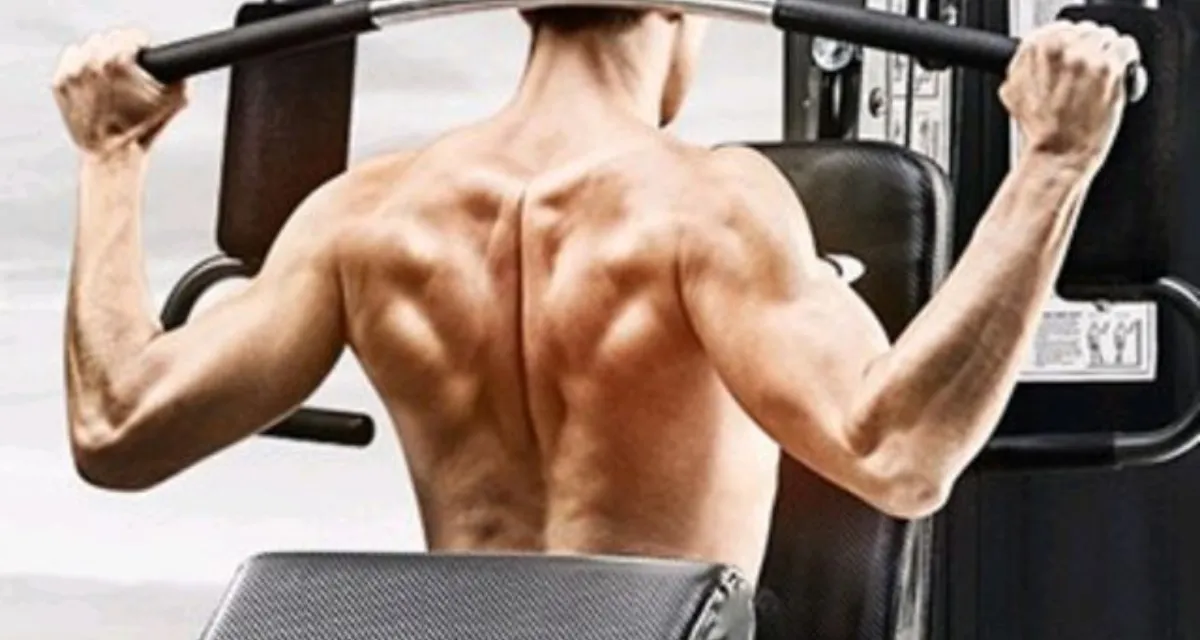
A well-designed back workout should train more than one muscle. Your back is made up of several muscles that work together during pulling and stabilization movements.
Latissimus Dorsi
The lats are large muscles on the sides of your back. Exercises such as lat pulldowns and assisted pull-ups are effective for developing them.
Trapezius
The trapezius extends across your upper back and neck area. Rows and high-row movements can effectively involve different portions of this muscle.
Rhomboids
The rhomboids sit between your shoulder blades and help move and stabilize them. Seated rows and chest-supported rows are useful exercises for targeting this area.
Spinal Erectors
The spinal erectors run along your spine and help maintain an upright posture. Controlled back extensions can strengthen these muscles.
How Do You Build an Effective Machine Back Workout?
You do not need a complicated routine to train your back effectively. A balanced workout can include a vertical pulling exercise, a horizontal rowing exercise, and an exercise for the lower back or upper back.
Beginner Machine Back Workout
- Lat pulldown: 3 sets of 8–12 reps
- Seated cable row: 3 sets of 8–12 reps
- Chest-supported row: 2 sets of 10–12 reps
- Back extension: 2 sets of 10–15 reps
Intermediate Machine Back Workout
- Lat pulldown: 3 sets of 8–10 reps
- Chest-supported row: 3 sets of 8–12 reps
- High row: 3 sets of 10–12 reps
- Seated row: 3 sets of 10–12 reps
- Back extension: 2–3 sets of 12–15 reps
How Heavy Should You Go on Back Machines?
The right weight is one that allows you to complete your planned repetitions with good form. You should feel your back muscles working without needing to swing, jerk, or use excessive momentum.
If you cannot control the final few repetitions, reduce the weight. On the other hand, if you can easily perform several extra repetitions without much effort, you may be ready to increase the resistance slightly.
How Many Sets and Reps Should You Do?
Your sets and repetitions should depend on your training experience and goals. For general strength and muscle development, many people can start with 2–4 sets of approximately 8–15 repetitions per exercise.
Beginners should focus more on learning proper movement than lifting the heaviest possible weight. As your technique improves, gradually increasing resistance through a resistance training can provide a stronger training stimulus
What Are the Benefits of Back Exercises Using Gym Machines?
Better Movement Control
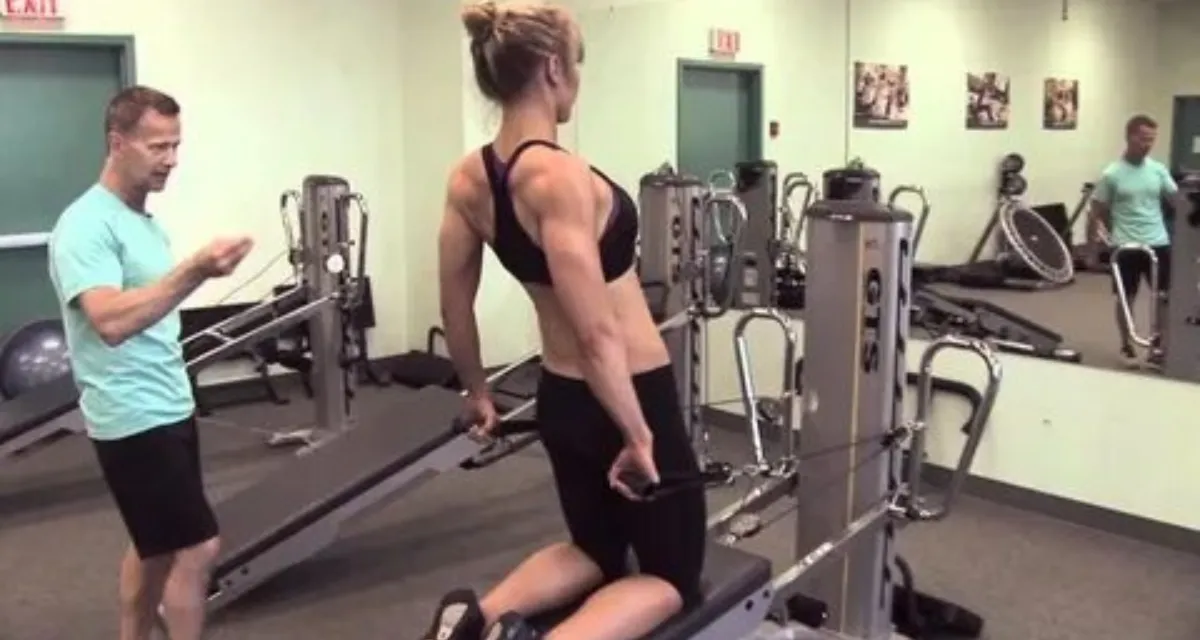
Machines can provide stability and make it easier to control the movement, particularly when you are learning a new exercise.
Easy Resistance Adjustment
Most gym machines allow you to change resistance quickly, making progressive overload easier to manage.
Targeted Muscle Training
Machine exercises can help you concentrate on specific back muscles without requiring as much balance and stabilization as some free-weight movements.
Beginner Friendly
People who are new to resistance training may find machines less intimidating than barbells and dumbbells. They can provide a controlled introduction to back training.
Common Mistakes to Avoid During Machine Back Workouts
Using Too Much Weight
Heavy weight does not automatically mean better results. If you need to swing your body or use momentum, the resistance may be too high.
Moving Too Quickly
Fast repetitions can reduce control and make it harder to keep tension on the target muscles. Use a smooth lifting and lowering phase.
Ignoring the Full Range of Motion
Whenever your mobility allows, use a comfortable range of motion rather than performing very short repetitions simply to lift more weight.
Neglecting the Lower Back
Many people focus only on their lats and upper back. A balanced program should also consider the muscles responsible for spinal stability and extension.
Training Through Pain
Normal muscular effort is different from sharp or unusual pain. If an exercise causes significant pain, stop and seek appropriate professional guidance before continuing. For additional exercise safety and technique guidance, see the American Council on Exercise (ACE).
How Often Should You Train Your Back?
For many people, training the back one to two times per week can work well. The ideal frequency depends on your overall workout routine, recovery, training experience, and goals. You can also combine resistance workouts with cardiovascular training, such as Zone 2 cardio workouts, to build a more balanced fitness routine.
Give your muscles enough time to recover between demanding sessions. Remember that your back may also be involved in exercises performed on other training days, especially pulling movements.
Can You Build a Bigger Back With Gym Machines?
Yes. Gym machines can provide enough resistance and training volume to support muscle growth when used consistently. The most important factors are progressive overload, adequate recovery, proper nutrition, and consistent training.
You can build an effective routine around exercises such as the lat pulldown, seated row, chest-supported row, and high row. Free weights are not mandatory for developing your back, although they can be useful when included appropriately.
Tips for Getting Better Results From Back Machines
- Warm up before starting your heavier sets.
- Adjust every machine to fit your body properly.
- Keep your spine in a controlled and comfortable position.
- Focus on moving with your back instead of simply pulling with your arms.
- Use a controlled tempo.
- Increase resistance gradually as your strength improves.
- Keep a record of your sets, repetitions, and weights.
- Give your muscles enough time to recover.
- Support your training with adequate protein and balanced nutrition.
Frequently Asked Questions About Back Exercises Gym Machine Workouts
What is the best gym machine for back exercises?
The lat pulldown and seated row machines are two of the most useful options because they train different pulling patterns and target major back muscles.
Are gym machines good for building back muscles?
Yes. Machines can provide controlled resistance and make progressive overload easier, which can support muscle growth when combined with consistent training and proper nutrition.
Can beginners use back machines?
Yes. Many back machines are beginner friendly because they provide support and reduce the balance demands of some free-weight exercises. Beginners should start with manageable resistance and learn proper technique.
How many back exercises should I do in one workout?
For most people, around three to five well-selected exercises are enough for a complete back-focused workout. The exact number depends on your training experience and total weekly volume.
Should I train my back every day?
No. Your back muscles need recovery after resistance training. For many people, one or two dedicated back sessions per week can be sufficient.
Is the lat pulldown enough for a complete back workout?
The lat pulldown is an excellent exercise, but it does not train every part of your back equally. Combining vertical pulling with rowing movements can provide more complete back development.
Conclusion
The best back exercises gym machine routine does not need to be complicated. Exercises such as lat pulldowns, seated rows, chest-supported rows, high rows, assisted pull-ups, and back extensions can help you train the major muscles of your back from different angles. Focus on controlled movements, appropriate resistance, progressive overload, and consistent training rather than simply trying to lift as much weight as possible. Whether you are a beginner or an experienced lifter, gym machines can be a valuable part of a well-rounded back workout. Choose exercises that match your goals, use proper technique, and give your body enough time to recover so you can continue getting stronger.


Leave a Reply