
Introduction
Gym exercises for hamstrings are important for building stronger legs, improving athletic performance, supporting lower-body stability, and creating balanced muscle development. The hamstrings are a group of muscles located at the back of your thighs. They help you bend your knees, extend your hips, run, jump, and perform many everyday movements.
An effective hamstring workout should include exercises that train both hip extension and knee flexion. Popular options include Romanian deadlifts, lying leg curls, seated leg curls, good mornings, and single-leg exercises. Whether your goal is muscle growth, strength, fat loss, better athletic performance, or general fitness, regular hamstring training can make a major difference.
In this guide, you will learn about the best gym exercises for hamstrings, how to perform them safely, how many sets and repetitions to use, and how to build an effective hamstring workout for your fitness level.
What Are the Hamstrings?
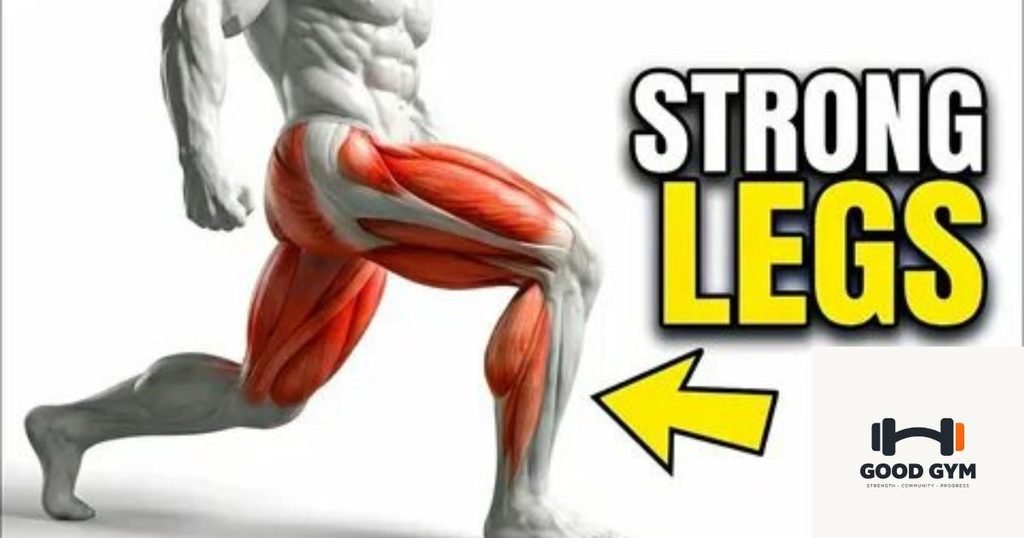
The hamstrings are a group of muscles located on the back of the upper leg. They play an important role in lower-body strength and movement.
The three main hamstring muscles are:
- Biceps femoris
- Semitendinosus
- Semimembranosus
These muscles work together during activities such as walking, running, jumping, squatting, lunging, and lifting.
Main Functions of the Hamstrings
The hamstrings perform two major functions:
- Knee flexion: Bending the knee and bringing the heel toward the body.
- Hip extension: Moving the hips forward and helping extend the thigh backward.
Because the hamstrings cross both the hip and knee joints, an effective workout should include exercises that challenge them through different movement patterns.
Why Should You Train Your Hamstrings?
Many people focus heavily on their quadriceps, glutes, and calves while giving less attention to their hamstrings. This can limit balanced lower-body development and overall leg strength.
1. Builds Stronger Legs
Strong hamstrings contribute significantly to overall leg strength. They work together with the quadriceps and glutes during compound movements such as squats, deadlifts, and lunges.
2. Supports Athletic Performance
Athletes use their hamstrings during sprinting, jumping, changing direction, and accelerating. Strong hamstrings can help support powerful and controlled lower-body movements.
3. Improves Lower-Body Balance
Training both the front and back of your legs helps create more balanced muscular development. A well-rounded lower-body program should include exercises for the quadriceps, hamstrings, glutes, and calves.
4. Supports Knee Stability
The muscles around the knee help control lower-body movement. Strengthening the hamstrings can support better control during activities that involve running, jumping, and changing direction.
5. Helps Build Bigger Legs
If you want muscular and well-developed legs, you should not ignore your hamstrings. Developing the back of the thighs can make your legs look fuller and more proportionate.
6. Improves Hip Strength
Many hamstring exercises also train the hips and glutes. Stronger hip muscles can help you perform movements that require powerful hip extension.
Best Gym Exercises for Hamstrings
There are many effective exercises for training the hamstrings. A good program combines exercises that train the muscles through both hip extension and knee flexion.
1. Romanian Deadlift
The Romanian deadlift is one of the best gym exercises for hamstrings because it places significant tension on the muscles while they are lengthened. It is also useful for developing the posterior chain, including the hamstrings, glutes, and lower back.
How to Perform a Romanian Deadlift
- Stand with your feet about hip-width apart.
- Hold a barbell in front of your thighs.
- Keep your chest lifted and your spine in a comfortable neutral position.
- Maintain a slight bend in your knees.
- Push your hips backward.
- Lower the bar while keeping it close to your legs.
- Stop when you feel a strong but comfortable stretch in your hamstrings.
- Drive your hips forward to return to the standing position.
Recommended Sets and Repetitions
3–4 sets × 6–12 repetitions
Rest: 1–3 minutes between sets
Common Mistake
Do not turn the Romanian deadlift into a squat. The main movement should come from pushing your hips backward while maintaining control of your spine.
2. Seated Leg Curl
The seated leg curl is an excellent isolation exercise for the hamstrings. It trains knee flexion while your body remains supported by the machine.
How to Perform a Seated Leg Curl
- Sit comfortably on the machine.
- Adjust the back pad and leg roller to fit your body.
- Place your lower legs against the roller.
- Keep your hips firmly against the seat.
- Bend your knees and pull the roller downward.
- Squeeze your hamstrings at the bottom of the movement.
- Slowly return to the starting position.
Recommended Sets and Repetitions
3–4 sets × 8–15 repetitions
Rest: 60–90 seconds between sets
Control the weight during the return movement instead of allowing the machine to pull your legs back quickly.
3. Lying Leg Curl
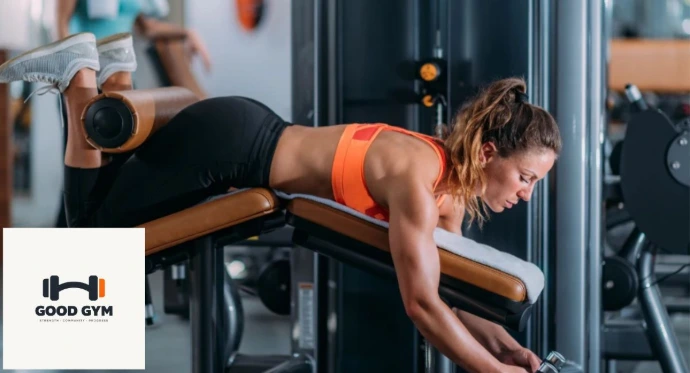
The lying leg curl is another popular hamstring isolation exercise. It can be useful for building hamstring muscle and improving knee-flexion strength.
How to Perform a Lying Leg Curl
- Lie face down on the machine.
- Position your ankles underneath the roller.
- Keep your hips against the pad.
- Bend your knees and bring your heels toward your glutes.
- Squeeze your hamstrings at the top.
- Lower the weight slowly and under control.
Benefits of the Lying Leg Curl
- Supports hamstring muscle growth
- Trains knee flexion
- Allows focused hamstring isolation
- Works well as part of a lower-body workout
4. Dumbbell Romanian Deadlift
If you do not want to use a barbell, dumbbells are an excellent alternative. The dumbbell Romanian deadlift trains the hamstrings while also working the glutes and other posterior-chain muscles.
How to Perform a Dumbbell Romanian Deadlift
- Stand with your feet about hip-width apart.
- Hold a dumbbell in each hand.
- Keep the dumbbells close to your legs.
- Maintain a slight bend in your knees.
- Push your hips backward while lowering the dumbbells.
- Lower them until you feel a comfortable stretch in your hamstrings.
- Drive your hips forward to return to the starting position.
Why Use Dumbbells?
- Provides freedom of movement
- Allows each arm to work independently
- Offers an alternative to barbell training
- Can be easier to set up for some beginners
5. Stiff-Leg Deadlift
The stiff-leg deadlift is a hip-hinge exercise that emphasizes the posterior chain, including the hamstrings, glutes, and lower back. It uses less knee bending than many other deadlift variations.
Important Tip
Do not completely lock your knees. Keep a small amount of knee flexion and focus on moving through your hips. Beginners should start with a light weight and learn proper technique before increasing resistance.
6. Good Mornings
Good mornings are a hip-hinge exercise that can effectively train the hamstrings and glutes. Because the movement can place significant demand on the posterior chain, beginners should use a very light weight.
How to Perform Good Mornings
- Place a light barbell across your upper back.
- Stand with your feet about shoulder-width apart.
- Keep your spine in a comfortable neutral position.
- Slightly bend your knees.
- Push your hips backward.
- Lower your torso until you feel a comfortable hamstring stretch.
- Drive your hips forward to return to a standing position.
Beginner Advice
Start with a very light load and focus on control. Good mornings require good body awareness and technique, so there is no need to use heavy weight when you are learning the exercise.
7. Single-Leg Romanian Deadlift
The single-leg Romanian deadlift is useful for training the hamstrings, glutes, balance, and coordination. Because you work one side at a time, it can also help develop unilateral lower-body strength.
How to Perform a Single-Leg Romanian Deadlift
- Stand on one leg.
- Hold a dumbbell in the opposite hand.
- Keep a slight bend in your standing knee.
- Push your hips backward.
- Extend your free leg behind you.
- Lower your torso while maintaining balance.
- Return slowly to the starting position.
Benefits
- Hamstring strength
- Balance
- Hip stability
- Coordination
- Unilateral leg development
Use a light weight until you become comfortable with the movement.
8. Cable Pull-Through
Cable pull-throughs are a useful hip-hinge exercise that trains the hamstrings and glutes. The cable provides resistance throughout much of the movement.
How to Perform a Cable Pull-Through
- Attach a rope to a low cable pulley.
- Stand facing away from the machine.
- Hold the rope between your legs.
- Step forward until there is tension in the cable.
- Push your hips backward.
- Allow your torso to lean forward naturally while keeping control.
- Drive your hips forward to stand tall.
- Squeeze your glutes at the top.
9. Barbell Hip Thrust
Although the barbell hip thrust primarily targets the glutes, the hamstrings also contribute to the movement. It can be a useful exercise in a posterior-chain workout.
How to Perform a Hip Thrust
- Sit on the floor with your upper back against a bench.
- Place a padded barbell across your hips.
- Bend your knees and place your feet firmly on the floor.
- Brace your core and drive your hips upward.
- Squeeze your glutes at the top.
- Lower your hips under control.
10. Glute-Ham Raise
The glute-ham raise is a challenging bodyweight or weighted exercise that trains the hamstrings and glutes. It can be difficult for beginners, so start with an easier variation if necessary.
How to Perform a Glute-Ham Raise
- Position yourself on a glute-ham developer.
- Secure your feet properly.
- Keep your body controlled throughout the movement.
- Lower your torso toward the floor.
- Use your hamstrings and glutes to pull your body back upward.
Beginners can use their hands for assistance or work through a shorter range of motion until they develop enough strength.
11. Nordic Hamstring Curl
The Nordic hamstring curl is one of the most demanding bodyweight hamstring exercises. It places a strong emphasis on controlling the lowering phase of the movement.
How to Perform a Nordic Hamstring Curl
- Kneel on a padded surface.
- Secure your ankles under a stable support.
- Keep your hips extended.
- Slowly lower your upper body toward the floor.
- Use your hamstrings to control the descent.
- Use your hands to assist yourself back up when necessary.
Beginner Modification
Because Nordic curls are challenging, beginners can use their hands to catch themselves or use resistance-band assistance to make the exercise easier.
12. Reverse Lunges
Reverse lunges mainly train the quadriceps and glutes, but they also involve the hamstrings. They are a useful unilateral exercise for balanced lower-body training.
How to Perform Reverse Lunges
- Stand tall with your feet comfortable apart.
- Step one foot backward.
- Lower your body toward the floor with control.
- Keep your front foot stable.
- Push through your front foot to return to standing.
- Repeat on the other side.
You can hold dumbbells to increase the resistance as your strength improves.
13. Walking Lunges
Walking lunges provide a dynamic lower-body exercise and involve the hamstrings, glutes, and quadriceps. They can also challenge balance, coordination, and lower-body endurance.
Keep your steps controlled and avoid allowing your front knee to collapse inward during the movement.
14. Bulgarian Split Squat
Bulgarian split squats are excellent for unilateral lower-body development. They are often used for quadriceps and glute training, but changing your stance and torso position can increase the contribution of the posterior chain.
Tip
A slightly longer stance may increase hamstring and glute involvement. Use a comfortable position that allows you to maintain good control throughout the exercise.
15. Stability Ball Hamstring Curl
The stability ball hamstring curl is a useful exercise that trains the hamstrings while also challenging your core and hip stability.
How to Perform a Stability Ball Hamstring Curl
- Lie on your back on the floor.
- Place your heels on top of a stability ball.
- Lift your hips from the floor.
- Bend your knees and pull the ball toward your body.
- Keep your hips elevated as you curl the ball.
- Slowly extend your legs back to the starting position.
Use slow, controlled movements rather than allowing the ball to move quickly.
Hamstring Exercises for Muscle Growth
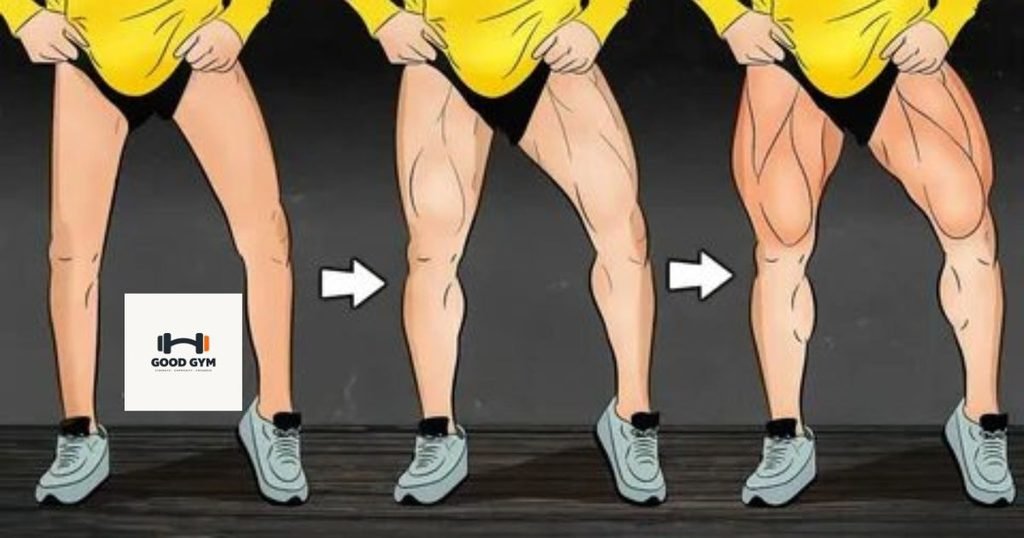
If your main goal is hamstring hypertrophy, use a combination of compound and isolation exercises. This allows you to train the hamstrings through different movement patterns.
Sample Hamstring Workout for Muscle Growth
Exercise 1: Romanian Deadlift
3–4 sets × 6–10 reps
Exercise 2: Seated Leg Curl
3–4 sets × 8–15 reps
Exercise 3: Dumbbell Romanian Deadlift
2–3 sets × 8–12 reps
Exercise 4: Lying Leg Curl
3 sets × 10–15 reps
Exercise 5: Single-Leg Hamstring Exercise
2–3 sets × 10–15 reps per leg
Focus on controlled repetitions and gradually increase resistance as your strength improves.
Hamstring Workout for Beginners
Beginners do not need a complicated hamstring program. The main goal should be learning proper movement patterns, using manageable resistance, and building strength gradually.
Simple Beginner Hamstring Routine
Romanian Deadlift: 3 × 8–10 reps
Seated Leg Curl: 3 × 10–15 reps
Reverse Lunge: 2 × 10 reps per leg
Stability Ball Hamstring Curl: 2 × 10–15 reps
Rest about 60–120 seconds between sets. Begin with weights that allow you to maintain good form throughout every repetition.
Advanced Hamstring Exercises and Workout
Experienced lifters can use more training volume and challenging exercises. However, advanced training should still focus on good technique, controlled repetitions, and adequate recovery.
Sample Advanced Hamstring Routine
Romanian Deadlift: 4 × 6–10 reps
Seated Leg Curl: 4 × 8–12 reps
Single-Leg Romanian Deadlift: 3 × 8–12 reps per leg
Nordic Hamstring Curl: 3 × 5–10 reps
Lying Leg Curl: 3 × 10–15 reps
Cable Pull-Through: 2–3 × 12–15 reps
More exercises do not always mean better results. Your muscles need enough recovery to adapt to training and become stronger.
How Many Times a Week Should You Train Hamstrings?
Many people can train their hamstrings about two times per week. The best frequency depends on your training experience, total workout volume, recovery, sleep, and nutrition.
Example Weekly Schedule
Monday: Lower-body workout with a hamstring focus
Thursday or Friday: Lower-body workout with additional hamstring exercises
Beginners may start with one focused hamstring session per week and gradually increase training frequency as they become more comfortable with resistance training.
How Many Sets Should You Do for Hamstrings?
The ideal training volume is different for each person. A reasonable starting point for many people is around 8–12 challenging hamstring sets per week.
More experienced lifters may benefit from additional volume if they can recover properly. Instead of immediately adding more sets, focus on:
- Better exercise technique
- Progressive overload
- A controlled range of motion
- Consistent training
- Enough sleep and recovery
Best Repetition Range for Hamstrings
The hamstrings can become stronger and grow across a wide range of repetitions. Different repetition ranges can be useful for different training goals.
For Strength
Around 4–8 repetitions can be useful when performing heavier compound exercises with proper technique.
For Muscle Growth
About 6–15 repetitions works well for many hamstring exercises, although muscle growth can occur across a broader repetition range.
For Muscular Endurance
Higher repetition ranges, such as 12–20 or more repetitions, can be useful for endurance-focused training.
Heavy Romanian deadlifts may work well with lower repetitions, while leg curls are often comfortable in moderate-to-higher repetition ranges.
How to Use Progressive Overload for Hamstrings
Progressive overload means gradually making your training more challenging over time. It is an important part of improving strength and building muscle.
Ways to Progress
- Increase the weight gradually
- Perform more repetitions with the same weight
- Add a small number of sets
- Improve your exercise technique
- Use a comfortable and controlled range of motion
- Control the lowering phase of each repetition
For example, if you can perform three sets of 10 Romanian deadlifts with good technique, you may gradually increase the weight and work toward completing three sets of 10 with the new load.
Avoid increasing the weight so quickly that your form breaks down.
Common Hamstring Workout Mistakes
1. Using Too Much Weight
Heavy weights do not automatically produce better results. If you cannot control the movement, reduce the weight and focus on proper technique.
2. Rounding Your Back
During Romanian deadlifts and similar exercises, maintain a controlled and comfortable spine position. Avoid using excessive weight that causes your technique to break down.
3. Moving Too Quickly
Fast, uncontrolled repetitions can make it harder to maintain good technique and muscular tension. Use a controlled pace, especially during the lowering phase.
4. Ignoring the Lengthened Position
Many hamstring exercises create significant tension when the muscles are lengthened. Work through a comfortable range of motion and avoid forcing a stretch that causes pain.
5. Training Only One Movement Pattern
Do not rely only on deadlift variations. Include knee-flexion exercises such as seated or lying leg curls to train the hamstrings through another important function.
6. Skipping Warm-Up Sets
Prepare your body gradually before performing challenging working sets. Start with light activity and use lighter warm-up sets before heavy exercises.
7. Training Hamstrings Every Day
Muscles need time to recover after challenging resistance training. Training your hamstrings hard every day is usually unnecessary and may make it harder to recover properly.
How to Warm Up Before a Hamstring Workout
A good warm-up prepares your body for exercise and helps you transition from rest to your workout.
Start With Light Cardio
Begin with about 5–10 minutes of light cardiovascular activity, such as:
- Walking
- Cycling
- Using an elliptical machine
Perform Dynamic Movements
After light cardio, perform controlled movements such as:
- Bodyweight lunges
- Hip hinges
- Leg swings
- Glute bridges
- Bodyweight squats
Before heavy exercises, perform one or more lighter warm-up sets. Gradually increase the weight instead of starting with your heaviest load.
Hamstring Exercises for Strength
If strength is your main goal, prioritize exercises that allow you to use challenging resistance while maintaining good technique.
- Romanian deadlifts
- Stiff-leg deadlifts
- Good mornings
- Barbell hip thrusts
- Heavy leg curls
Use controlled repetitions and allow enough rest between challenging sets. Compound exercises can generally be performed earlier in your workout when you have more energy and concentration.
Hamstring Exercises for Athletic Performance
Athletes need more than muscle size. They also need strength, power, coordination, balance, and control. Strong hamstrings can support movements such as sprinting, jumping, accelerating, and changing direction.
Romanian Deadlift
The Romanian deadlift develops posterior-chain strength and trains the hamstrings through a hip-hinge movement.
Nordic Hamstring Curl
The Nordic hamstring curl challenges the hamstrings during the lowering phase and can be a demanding addition to an athletic training program.
Single-Leg Romanian Deadlift
This exercise works the hamstrings while also challenging unilateral strength, balance, and coordination.
Reverse Lunges
Reverse lunges develop single-leg control and lower-body strength while involving the hamstrings, glutes, and quadriceps.
Hip Thrust
Hip thrusts primarily train the glutes but also involve the hamstrings during hip extension. They can be useful for developing posterior-chain strength.
Athletes should combine resistance training with sport-specific movement and an appropriate overall training program.
How to Build a Complete Leg Workout
A balanced leg workout should train multiple lower-body muscle groups rather than focusing on only one area. Combining exercises for the quadriceps, hamstrings, glutes, and calves can support balanced development.
Quadriceps Exercises
- Squats
- Leg press
- Leg extensions
- Split squats
Hamstring Exercises
- Romanian deadlifts
- Seated leg curls
- Lying leg curls
- Nordic hamstring curls
Glute Exercises
- Hip thrusts
- Lunges
- Bulgarian split squats
- Cable pull-throughs
Calf Exercises
- Standing calf raises
- Seated calf raises
This approach helps create balanced lower-body development and allows you to train the major muscles involved in leg strength and movement.
Nutrition for Hamstring Muscle Growth
Exercise is only one part of building muscle. Your body also needs enough food, protein, carbohydrates, healthy fats, and fluids to support training and recovery.
Protein
Protein provides amino acids that your body uses for muscle repair and growth. Good protein sources include:
- Eggs
- Chicken
- Fish
- Lean beef
- Greek yogurt
- Milk
- Cottage cheese
- Beans
- Lentils
- Tofu
Carbohydrates
Carbohydrates provide energy for demanding workouts. Useful choices include:
- Rice
- Oats
- Potatoes
- Whole-grain bread
- Fruits
- Whole grains
Healthy Fats
Healthy fats can be part of a balanced diet. Simple options include:
- Nuts
- Seeds
- Avocado
- Olive oil
- Fatty fish
A balanced diet can support workout performance, muscle recovery, and your overall fitness goals.
Recovery After Hamstring Training
Recovery is an important part of making progress. Your muscles need time to recover and adapt after challenging workouts.
Get Enough Sleep
Most adults should aim for around 7–9 hours of sleep each night. Good sleep can support physical recovery and help you feel prepared for your next workout.
Eat Enough Protein
Include protein-rich foods throughout your meals to provide your body with the nutrients needed for muscle repair and growth.
Stay Hydrated
Drink enough fluids throughout the day, especially when exercising or training in hot conditions. Proper hydration supports normal body function and can help you feel better during workouts.
Allow Enough Rest
Avoid repeatedly training the same muscles hard without enough recovery. Rest days or easier training sessions can help you manage overall training stress.
Can You Train Hamstrings and Glutes Together?
Yes. Hamstrings and glutes work together during many hip-extension movements, making them a natural combination for a lower-body workout.
Example Hamstring and Glute Workout
- Romanian deadlift
- Hip thrust
- Seated leg curl
- Bulgarian split squat
- Cable pull-through
This combination trains the hamstrings and glutes through different movement patterns while providing a balanced posterior-chain workout.
Hamstring Exercises at Home vs. Gym
A gym provides access to barbells, dumbbells, machines, cables, and specialized equipment. These tools can make it easier to progressively increase resistance as your strength improves.
Hamstring Exercises at Home
You can still train your hamstrings at home using simple equipment and bodyweight movements.
- Resistance-band leg curls
- Dumbbell Romanian deadlifts
- Stability-ball hamstring curls
- Glute bridges
- Single-leg Romanian deadlifts
- Nordic curl variations
If you have access to a gym, machines and free weights provide more options for progressively challenging the hamstrings. However, you can still build useful strength at home by choosing appropriate exercises and gradually increasing the challenge.
How to Choose the Best Hamstring Exercises for Your Goal
The best gym exercises for hamstrings depend on your individual goal, training experience, available equipment, and recovery ability.
For Muscle Growth
Combine a hip-hinge exercise such as the Romanian deadlift with isolation exercises such as seated or lying leg curls.
For Strength
Focus on controlled compound exercises and gradually increase resistance while maintaining proper technique.
For Beginners
Start with simple movements that are easy to learn and control. Machines such as seated leg curls can be useful because they provide support while you learn how to train the hamstrings.
For Athletic Performance
Combine hamstring strength exercises with running, jumping, balance, coordination, and sport-specific training as appropriate for your goals.
Safety Tips for Hamstring Training
Hamstring exercises can be very useful, but good form and proper training habits are important. The hamstrings work across both the hip and knee, so exercises such as Romanian deadlifts and leg curls should be performed with control.
Start With a Light Weight
Do not start with a very heavy weight. Begin with a weight that allows you to control every repetition. You can increase the weight slowly as your strength improves.
Use Proper Form
Keep your back controlled during exercises such as Romanian deadlifts and stiff-leg deadlifts. Avoid rounding your lower back or using momentum to move the weight.
Control the Eccentric Phase
Lower the weight slowly instead of dropping it quickly. A controlled lowering phase can make the exercise more challenging while helping you maintain good technique.
Do Not Ignore Pain
Normal muscle effort and mild fatigue are different from sharp or sudden pain. If an exercise causes sharp pain, stop the exercise and consider getting advice from a qualified healthcare professional.
Warm Up Before Heavy Sets
Perform a few light warm-up sets before your hardest hamstring exercises. This can help you practice the movement and prepare your muscles for heavier work.
How to Progress Your Hamstring Workout
Progressive overload is one of the most important parts of building stronger and bigger hamstrings. You do not need to increase the weight every workout. Instead, try to improve one part of your training over time.
Increase Repetitions
If you can perform all your planned repetitions with good form, add one or two repetitions in your next workout while staying within your target range.
Increase Weight
Once you can comfortably reach the top of your repetition range, increase the weight slightly. For example, if your goal is 8 to 12 repetitions and you can perform 12 good repetitions, you may be ready for a small weight increase.
Improve Your Technique
Progress does not always mean lifting heavier. Better range of motion, controlled repetitions, and improved technique are also forms of progress.
Add Sets Carefully
If your recovery is good and your current workout no longer feels challenging, you can sometimes add another working set. Avoid adding too much volume at once.
Sample Weekly Hamstring Training Schedule
A simple weekly plan can help you train your hamstrings consistently without doing too much work. Many people can train hamstrings two times per week with enough recovery between sessions.
Monday – Hamstrings and Glutes
- Romanian Deadlift – 3 sets of 6–10 reps
- Seated Leg Curl – 3 sets of 8–15 reps
- Barbell Hip Thrust – 3 sets of 8–12 reps
- Reverse Lunges – 2 sets of 10 reps per leg
Thursday or Friday – Hamstrings and Legs
- Dumbbell Romanian Deadlift – 3 sets of 8–12 reps
- Lying Leg Curl – 3 sets of 10–15 reps
- Bulgarian Split Squat – 2 sets of 8–12 reps per leg
- Stability Ball Hamstring Curl – 2 sets of 12–15 reps
This is only an example. Your training frequency and exercise selection should match your fitness level, goals, recovery, and overall leg workout.
Frequently Asked Questions About Gym Exercises for Hamstrings
What Is the Best Gym Exercise for Hamstrings?
There is no single best exercise for everyone. Romanian deadlifts are excellent for training the hamstrings through hip extension, while seated and lying leg curls train the hamstrings through knee flexion. Using both types of exercises can create a balanced hamstring workout.
How Often Should I Train Hamstrings?
Many people can train their hamstrings one to two times per week. Beginners may start with one session per week and increase frequency when they become more comfortable with resistance training.
Can I Train Hamstrings Twice a Week?
Yes. Training hamstrings twice a week can work well when the total training volume is appropriate and you have enough recovery between workouts. Avoid training them hard every day.
Are Leg Curls Good for Hamstrings?
Yes. Seated and lying leg curls are useful hamstring exercises because they train knee flexion. They can be included alongside hip-hinge exercises such as Romanian deadlifts.
Can I Grow My Hamstrings With Dumbbells?
Yes. Dumbbells can be used for exercises such as dumbbell Romanian deadlifts, single-leg Romanian deadlifts, lunges, and Bulgarian split squats. Muscle growth depends on progressive training, adequate nutrition, and recovery rather than one specific piece of equipment.
How Long Does It Take to Build Hamstrings?
The time needed to build noticeable hamstring muscle varies from person to person. Training experience, genetics, nutrition, sleep, workout quality, and consistency all affect results. Regular training over several months is more important than looking for fast changes.
Should Hamstrings Be Trained Before or After Quads?
It depends on your main goal. If hamstring strength or development is your priority, you can train hamstrings earlier in the workout when you have more energy. If your main goal is quadriceps development, you may perform your quad exercises first.
Do Hamstrings Need Heavy Weights to Grow?
Heavy weights are not required for muscle growth. Hamstrings can respond to different repetition ranges when the exercise is challenging and performed with good technique. Choose a weight that allows controlled repetitions and gradual progression.
Are Romanian Deadlifts Good for Hamstrings?
Yes. Romanian deadlifts are one of the most useful exercises for hamstring training. They place the hamstrings under tension while the hips move backward and forward. Proper technique is important, especially when increasing the weight.
Final Thoughts on Gym Exercises for Hamstrings
Strong hamstrings are an important part of balanced and powerful legs. The best gym exercises for hamstrings include Romanian deadlifts, seated leg curls, lying leg curls, dumbbell Romanian deadlifts, Nordic curls, single-leg exercises, and lunges.
You do not need to perform every exercise in one workout. Choose a few movements that train the hamstrings in different ways and perform them with good technique. Start with a manageable amount of training and gradually increase repetitions, weight, or sets as you become stronger.
For muscle growth, combine resistance training with enough protein, carbohydrates, fluids, and sleep. Recovery is just as important as the workout itself. Most importantly, stay consistent and focus on steady progress rather than trying to lift as much weight as possible.
Whether you are a beginner, an experienced lifter, or an athlete, a well-planned hamstring workout can help improve lower-body strength, muscle development, movement quality, and overall leg balance.


Leave a Reply