
Introducation
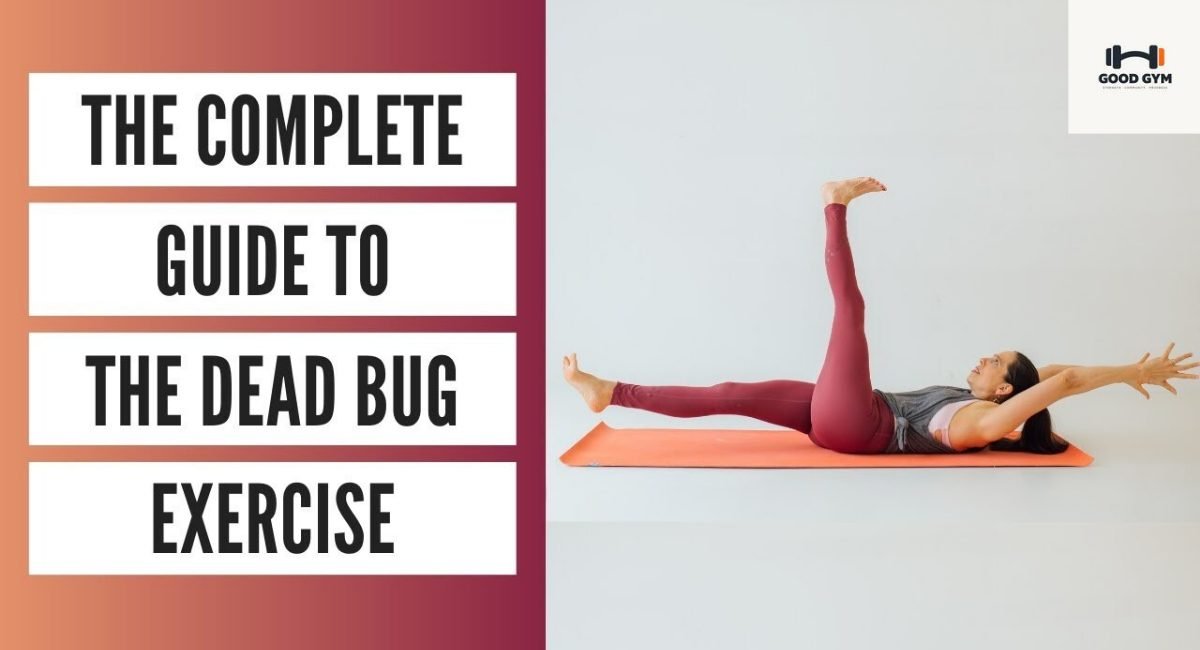
The dead bug exercise is a simple core movement that can help improve abdominal strength, stability, balance, and body control. It is performed while lying on your back, making it a convenient choice for home workouts and gym routines.
Unlike fast abdominal movements, this exercise focuses on slow, controlled movements while keeping your torso stable. The dead bug exercise can be suitable for beginners because you can easily change the range of motion and difficulty level. It does not require expensive equipment, although a workout mat can make the movement more comfortable. In this guide, you will learn proper form, muscles worked, benefits, variations, common mistakes, repetitions, and useful tips for safely adding it to your fitness routine.
What Is the Dead Bug Exercise?
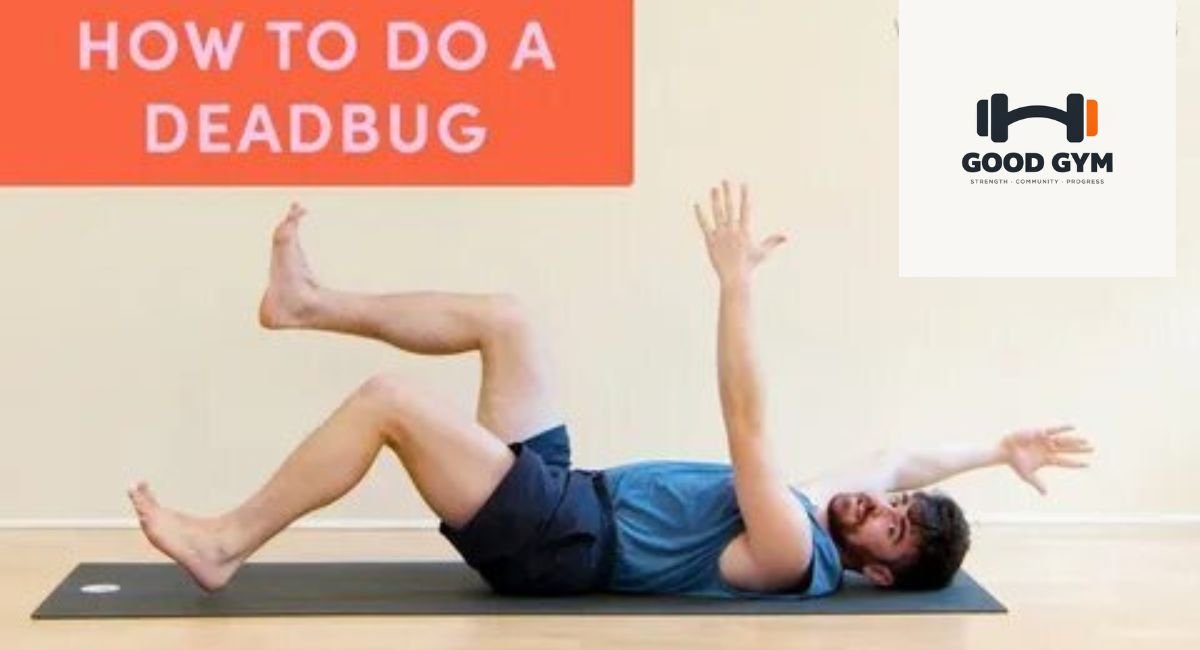
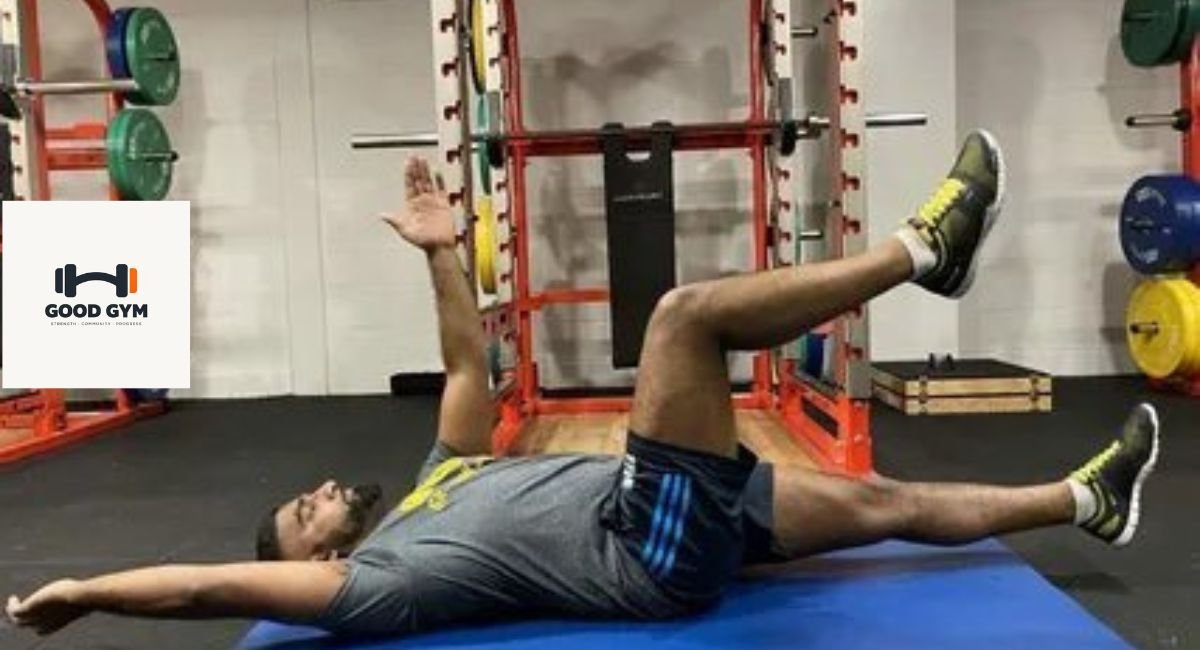
The dead bug exercise is a floor-based core stability movement performed while lying face up. Your arms point toward the ceiling while your hips and knees are bent. You then slowly move opposite limbs away from your body while keeping your trunk stable.
The exercise is often described as an anti-extension core exercise because your abdominal muscles work to prevent your lower back and spine from excessively arching as your limbs move.
The main purpose is not simply to move your arms and legs. The real challenge is maintaining a stable torso while your limbs move independently.
Why Is It Called a Dead Bug?
The name comes from the starting position. When you lie on your back with your arms and legs raised, you can look similar to an insect lying on its back.
Although the name sounds unusual, the movement is a useful core exercise that can be included in beginner and advanced training programs.
Is the Dead Bug a Beginner Exercise?
Yes. The basic movement is generally beginner-friendly because you perform it on the floor and can easily reduce the range of motion.
However, beginners should first learn how to brace their core and control their lower back before trying large arm and leg movements.
How to Do the Dead Bug Exercise Correctly
Learning proper form is more important than completing a large number of repetitions. Your goal should be to maintain control throughout every repetition.
Step 1: Lie on Your Back
Place an exercise mat on the floor and lie flat on your back.
Keep your head and shoulders relaxed. Place your arms beside you initially and bend your knees with your feet on the floor.
Step 2: Lift Your Arms and Legs
Raise both arms toward the ceiling.
Bring your knees over your hips and bend your knees to approximately 90 degrees. Your lower legs should be roughly parallel to the floor.
This is your starting position.
Step 3: Brace Your Core
Before moving your limbs, gently tighten your abdominal muscles.
Think about keeping your ribs controlled and your pelvis stable. Your lower back should remain controlled against the floor rather than dramatically arching.
Do not hold your breath.
Step 4: Lower the Opposite Arm and Leg
Slowly extend your right leg toward the floor while simultaneously moving your left arm backward over your head.
Only move as far as you can while maintaining good core control.
Step 5: Return to the Starting Position
Slowly bring your arm and leg back to the starting position.
Pause briefly and regain your core position before switching sides.
Step 6: Switch Sides
Extend your left leg while moving your right arm backward.
Return to the starting position.
Continue alternating sides for your chosen number of repetitions.
Dead Bug Exercise Form Tips
Good form makes the movement much more effective. Keep these points in mind:
- Move slowly.
- Keep your core engaged.
- Avoid letting your lower back excessively arch.
- Keep your pelvis stable.
- Move the opposite arm and leg together.
- Breathe continuously.
- Do not use momentum.
- Stop the movement before your form breaks down.
- Focus on quality instead of speed.
If extending your arm and leg causes your back to arch, reduce the range of motion. You do not need to touch the floor with your hand or heel to make the exercise effective.
Muscles Worked by the Dead Bug Exercise
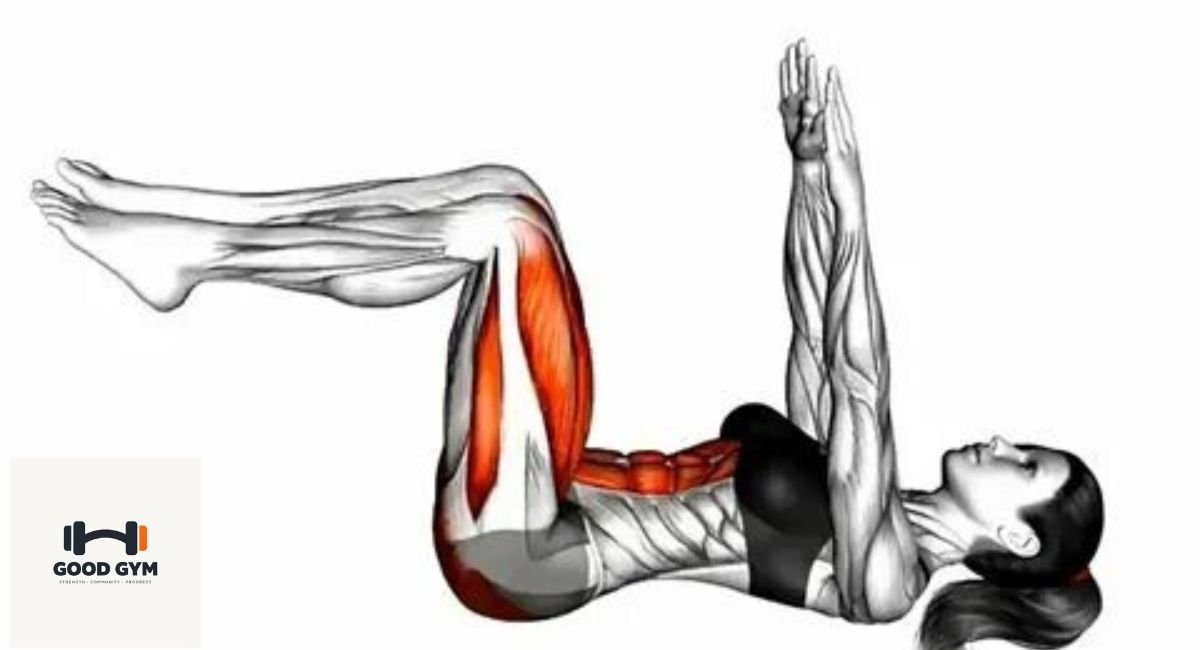
The dead bug is primarily a core stability movement, but several muscles contribute to the movement.
Transverse Abdominis
The transverse abdominis is a deep abdominal muscle that helps stabilize your trunk.
During the dead bug, it helps maintain abdominal tension while your arms and legs move.
Rectus Abdominis
The rectus abdominis is commonly called the six-pack muscle.
It helps control the position of your pelvis and trunk during the exercise.
Obliques
The internal and external obliques are located on the sides of your abdomen.
They help prevent unwanted rotation as you move opposite limbs.
Hip Flexors
Your hip flexors help control the position and movement of your legs.
Although they are not the primary target, they participate in maintaining the starting position and moving the legs.
Spinal Stabilizers
The muscles surrounding the spine also contribute to maintaining a stable trunk.
This is one reason the dead bug can be useful for developing overall core control.
Benefits of the Dead Bug Exercise
Adding the dead bug exercise to your workout routine can provide several fitness benefits. It is a controlled core movement that focuses on stability rather than fast or forceful repetitions. This makes it useful for people who want to improve abdominal control, coordination, and overall movement quality.
1. Builds Core Strength
One of the main benefits of the dead bug is improved core strength. Instead of repeatedly bending your spine, the exercise challenges your abdominal muscles to stabilize your trunk while your arms and legs move.
This makes it a useful addition to a balanced abdominal workout. Regular core training can also help you perform other exercises with better control.
2. Improves Core Stability
Core stability means being able to maintain control of your trunk while your arms and legs move. The dead bug directly trains this ability.
During each repetition, your abdominal muscles work to keep your pelvis and torso stable. This can help develop better control during strength exercises and everyday movements.
3. Improves Coordination
The exercise requires opposite-side movement. For example, your right leg moves while your left arm moves.
This creates a coordination challenge that requires concentration and body awareness. With practice, you can become more comfortable controlling different parts of your body at the same time.
4. Supports Better Movement Control
Because the movement is slow and controlled, you need to pay attention to your pelvis, ribs, spine, arms, and legs.
Practicing this type of control can improve your awareness of body position during exercise. Good movement control can also make it easier to learn other exercises.
5. Can Be Low Impact
The dead bug is performed while lying on your back and does not involve jumping or heavy external loading.
This makes it a convenient option for people who want a low-impact core exercise. You can adjust the movement to your fitness level by changing the range of motion.
6. Requires Little Equipment
You do not need a gym machine to perform a standard dead bug. A comfortable exercise mat and enough space to lie down are generally all you need.
This makes the movement easy to include in a home workout, travel workout, warm-up routine, or gym session.
7. Easy to Modify
The dead bug can be made easier or harder depending on your experience.
Beginners can move one limb at a time or use a shorter range of motion. More experienced exercisers can add resistance, increase the range of motion, or try advanced variations.
8. Helps Build a Foundation for Other Exercises
Core control is important for exercises such as planks, squats, lunges, and many athletic movements.
The dead bug can therefore be used as part of a broader strength-training routine. Learning to stabilize your trunk while your limbs move can help you develop better exercise technique.
Dead Bug Exercise for Beginners
If you are new to core training, do not immediately try to extend your arms and legs as far as possible.
Start with a smaller movement and focus on learning how to brace your core. Your goal should be to keep your torso and pelvis controlled throughout each repetition.
Beginner Dead Bug
- Lie on your back on a comfortable exercise mat.
- Bend your knees and keep your feet on the floor.
- Raise one arm toward the ceiling.
- Slowly lower the arm while keeping your torso stable.
- Return the arm to the starting position.
- Repeat with the other arm.
- Progress to moving one leg at a time.
- Eventually combine opposite arm and leg movements.
This progression allows you to learn abdominal bracing before adding more movement. If your lower back starts to arch, make the movement smaller and focus on control.
Dead Bug Exercise Variations
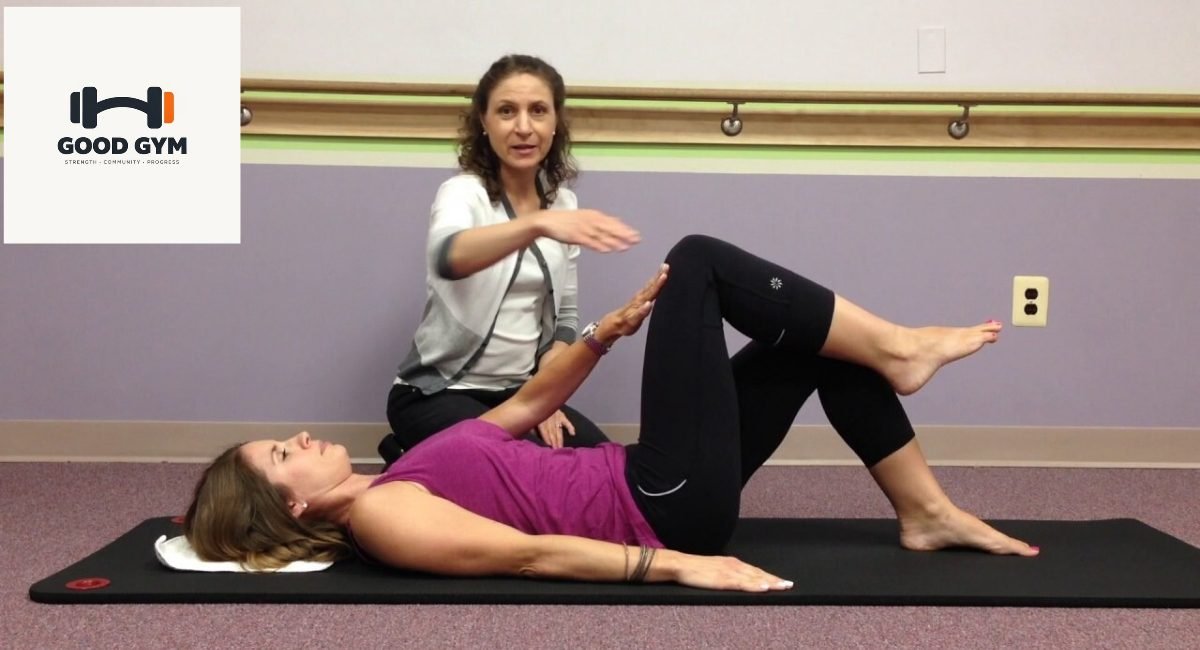
Once you understand the basic technique, you can try different dead bug variations. Changing the movement can help you continue challenging your core while keeping your workouts interesting.
1. Heel Tap Dead Bug
Start with your knees bent above your hips and your arms raised toward the ceiling.
Slowly lower one heel toward the floor. Tap the floor gently and return your leg to the starting position.
Switch legs and repeat. This is a useful beginner variation because your knee stays bent throughout the movement.
2. Legs-Only Dead Bug
Keep both arms pointing toward the ceiling.
Slowly extend one leg away from your body while keeping the other leg stationary. Return to the starting position and switch legs.
This variation helps you learn how to control your pelvis while your lower body moves.
3. Arms-Only Dead Bug
Keep your legs in the tabletop position.
Slowly move one arm backward while keeping your abdominal muscles engaged. Return the arm to the starting position and switch sides.
This version can help beginners learn how to control their ribs and trunk before adding leg movement.
4. Full Dead Bug
The standard version involves moving an opposite arm and leg simultaneously.
For example, move your right leg while extending your left arm. Return to the starting position and then switch sides.
This is the classic dead bug movement and requires more coordination than the beginner variations.
5. Resistance Band Dead Bug
A resistance band can add extra difficulty to the movement.
You can use a light resistance band to create additional tension while moving your arms or legs. Start with light resistance and concentrate on maintaining good form.
Do not use resistance that causes your lower back to arch or your pelvis to move excessively.
6. Dumbbell Dead Bug
More experienced exercisers can hold light dumbbells while performing the movement. Dumbbells add resistance and can make your core work harder.
Start with very light weights and concentrate on maintaining proper technique. The purpose is to challenge core stability rather than turn the exercise into a heavy strength movement.
7. Stability Ball Dead Bug
A stability ball can be placed between your hands and knees to create an additional challenge.
Press gently into the ball while maintaining your core position. This variation creates extra tension and gives you feedback about your arm and leg position.
Keep the movement slow and controlled. If you lose your balance or your lower back begins to arch, return to the basic version.
Common Dead Bug Exercise Mistakes
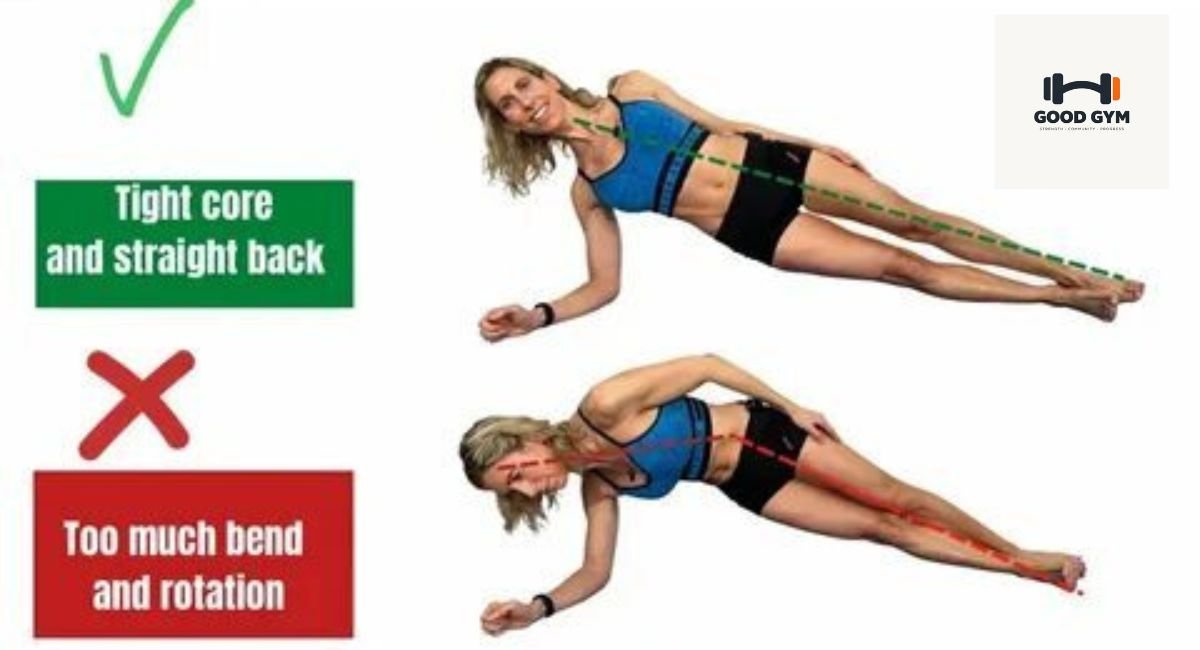
Many people perform the movement incorrectly because they focus on completing repetitions instead of controlling their torso. Learning these common mistakes can help you improve your technique and get more from your core workout.
Moving Too Quickly
Speed can make the exercise less effective. The dead bug is mainly about control and stability.
Move slowly enough that you can feel your abdominal muscles working. A controlled repetition is generally more useful than quickly completing a large number of repetitions with poor form.
Arching the Lower Back
This is one of the most common mistakes.
If your lower back lifts or excessively arches as you extend your limbs, reduce your range of motion. Bring your arm and leg back toward the starting position and try again.
Your goal is to maintain a stable trunk throughout the movement rather than forcing your limbs closer to the floor.
Holding Your Breath
Some people automatically hold their breath when concentrating on a difficult movement.
Try to breathe naturally throughout each repetition. Controlled breathing can help you stay relaxed and maintain better control of your core.
Moving the Hips
Your hips should remain stable during the exercise.
Avoid allowing your pelvis to rotate from side to side as you extend your arms and legs. If your hips are moving excessively, reduce the range of motion or slow down.
Using Too Much Range of Motion
More movement does not automatically mean a better repetition.
If extending your arm or leg causes your lower back to arch, shorten the movement. You should only move through a range that allows you to maintain proper core control.
Doing Too Many Repetitions
You do not need to perform a very high number of repetitions to make the exercise effective.
Once your technique starts to deteriorate, stop or take a rest. Quality repetitions are more important than simply increasing the number on your workout plan.
How Many Dead Bug Reps Should You Do?
The right number of repetitions depends on your fitness level, exercise experience, and ability to maintain proper form.
Beginners
- 1–3 sets
- 5–8 repetitions per side
- Slow and controlled movement
- 30–60 seconds of rest when needed
Intermediate
- 2–3 sets
- 8–12 repetitions per side
- Controlled tempo
- Short rest periods between sets
Advanced
- 3–4 sets
- 10–15 controlled repetitions per side
- More challenging variations
- Light resistance when appropriate
The most important point is to maintain good form. If you cannot control your torso, reduce the number of repetitions or choose an easier variation.
How Often Should You Do the Dead Bug Exercise?
You can include the dead bug in your workout routine several times per week as part of a balanced training program.
For beginners, two or three sessions per week can be enough to practice the movement and gradually improve core control.
You can perform dead bugs:
- Before strength training
- During a core workout
- After a general warm-up
- As part of a home workout
- During a mobility and stability session
You do not need to perform the exercise every day to make progress. Give your body enough recovery time, especially when you combine core training with other demanding exercises.
Dead Bug Exercise vs Crunches
The dead bug and crunches train the abdominal area in different ways.
Crunches involve repeated trunk flexion, while the dead bug focuses more on keeping the torso stable as the arms and legs move.
This makes the dead bug particularly useful when your goal is core stabilization and movement control rather than simply performing repeated abdominal flexion.
You can include both exercises in a balanced workout if they fit your goals and you can perform each movement with proper technique.
Dead Bug Exercise vs Plank
Both exercises train core stability, but the body position and movement demands are different.
The dead bug is performed while lying on your back. A plank is generally performed with your body supported by your forearms or hands and feet.
The dead bug may be easier for some beginners because the floor provides support and useful feedback about your body position.
As your core control improves, you can include both exercises in your training routine to challenge your stability in different positions.
Dead Bug Workout Routine
You can create a simple core workout using the dead bug and other basic exercises. A balanced routine should focus on controlled movement rather than completing as many repetitions as possible.
Beginner Core Routine
1. Dead Bug
2 sets × 6–8 repetitions per side
2. Glute Bridge
2 sets × 10–12 repetitions
3. Bird Dog
2 sets × 6–8 repetitions per side
4. Forearm Plank
2 sets × 15–30 seconds
Rest approximately 30–60 seconds between exercises when needed. The goal is to maintain excellent technique throughout the workout instead of finishing the routine as quickly as possible.
How to Make the Dead Bug Exercise Harder
If the basic movement becomes easy, you can gradually increase the difficulty. Progress slowly and make sure you can maintain proper form before moving to a more challenging variation.
You can make the exercise harder by:
- Increasing the range of motion
- Slowing down each repetition
- Adding a short pause during the extended position
- Using light dumbbells
- Adding resistance bands
- Using a stability ball
- Performing longer controlled sets
- Combining the exercise with other core movements
Do not increase several difficulty factors at the same time. For example, start by increasing your range of motion before adding external resistance.
Safety Tips for the Dead Bug Exercise
The dead bug is accessible to many people, but proper technique still matters. Start with a comfortable range of motion and avoid forcing your body into an uncomfortable position.
Stop exercising if you experience pain, dizziness, numbness, or unusual symptoms. Normal muscle effort can feel challenging, but sharp or unexpected pain should not be ignored.
If you have an existing injury, recent surgery, significant back problems, or another condition that affects your ability to exercise, speak with an appropriate healthcare professional before starting a new exercise routine.
Frequently Asked Questions About the Dead Bug Exercise
1. What muscles does the dead bug work?
The exercise primarily targets the core, including the transverse abdominis, rectus abdominis, and oblique muscles. The hip flexors and spinal stabilizing muscles also help control the movement.
2. Is the dead bug exercise good for beginners?
Yes. Beginners can start with easier versions, such as moving one arm or one leg at a time. As your core control improves, you can progress to the standard movement.
3. How many dead bug repetitions should I do?
Beginners can start with 1–3 sets of 5–8 repetitions per side. More experienced people can gradually increase the repetitions while maintaining proper technique.
4. Should my lower back stay on the floor?
Your lower back should remain controlled and should not excessively arch as you extend your arms and legs. If your back starts arching, reduce the range of motion.
5. Can dead bugs help strengthen your core?
Yes. They challenge your abdominal muscles to stabilize your trunk while your arms and legs move. Consistent practice can help improve core stability and movement control.
Conclusion
The dead bug exercise is a simple and effective movement for building core strength, stability, coordination, and body control. Because it requires little or no equipment, it can easily fit into a home workout, gym routine, or beginner fitness program. The most important part is performing each repetition slowly while keeping your abdominal muscles engaged and your pelvis stable. Start with an easier variation if you are new to core training, then gradually increase the difficulty as your technique improves. Avoid common mistakes such as moving too quickly, arching your lower back, holding your breath, or using too much range of motion. With regular practice and proper form, the dead bug exercise can become a valuable part of a balanced core workout and help you develop better movement control for other exercises, sports, and everyday physical activities.


Leave a Reply