Introduction
Home workout without equipment is one of the easiest and most effective ways to improve your fitness without spending money on gym memberships or expensive machines. Whether your goal is weight loss, muscle building, better endurance, or simply maintaining a healthy lifestyle, bodyweight exercises can deliver impressive results when performed consistently.
Working out at home also saves time, offers flexibility, and allows you to exercise at your own pace in a comfortable environment. From beginners to advanced fitness enthusiasts, anyone can benefit from a structured home workout routine. In this guide, you’ll discover the best exercises, workout plans, benefits, and expert tips to help you stay motivated and achieve your fitness goals—all without using any equipment.
Why Choose a Home Workout Without Equipment?
A home workout without equipment has become increasingly popular because it removes many of the common barriers to exercise. You don’t need to travel to a gym, wait for machines, or invest in costly fitness gear. Instead, your own body weight becomes the perfect training tool for building strength, improving flexibility, and increasing cardiovascular fitness. Bodyweight workouts are suitable for people of all fitness levels and can be easily modified to match your abilities. Whether you have only fifteen minutes or a full hour available, you can complete an effective session that supports your health and fitness goals. This convenience makes it much easier to stay consistent, which is one of the biggest factors in achieving long-term success.
Benefits of Home Workouts Without Equipment
One of the greatest advantages of bodyweight training is its accessibility. You can exercise anytime and anywhere, making it easier to stay active even during busy schedules. Regular home workouts improve heart health, strengthen muscles, enhance posture, and increase flexibility while helping burn calories efficiently. Since many bodyweight exercises engage multiple muscle groups simultaneously, they also improve balance and coordination. Another major benefit is reduced injury risk because your movements follow natural body mechanics instead of relying on heavy weights. Consistent training also boosts energy levels, reduces stress, improves sleep quality, and supports mental well-being. These combined physical and mental benefits make home workouts an excellent long-term fitness solution for people of every age.
Can You Build Muscle Without Equipment?
Home Workout Without Equipment many people believe building muscle requires heavy gym equipment, but bodyweight exercises can be incredibly effective for increasing strength and lean muscle mass. Exercises like push-ups, squats, lunges, planks, and glute bridges challenge muscles using your own body weight as resistance. As your strength improves, you can increase repetitions, slow down each movement, or perform more advanced variations to continue challenging your muscles. Progressive overload—the principle of gradually increasing difficulty—can still be achieved without weights. Combined with proper nutrition, sufficient protein intake, and adequate recovery, bodyweight training helps develop stronger muscles, improve endurance, and create a lean, athletic physique while reducing unnecessary strain on the joints.Essential Warm-Up Before Every Home Workout starting with a proper warm-up prepares your muscles and joints for exercise while reducing the risk of injury. Spend five to ten minutes performing light cardio movements such as jogging in place, jumping jacks, arm circles, high knees, butt kicks, and hip rotations. Dynamic stretching increases blood flow, improves mobility, and activates the muscles you’ll use during your workout. A quality warm-up also enhances performance by improving coordination and reaction time. Never skip this important step, especially before high-intensity sessions. Even a short warm-up helps your body transition from rest to exercise, allowing you to perform each movement with better technique and greater confidence throughout the workout.
Best Home Workout Without Equipment for Beginners
should focus on learning proper movement patterns before increasing workout intensity. A simple full-body routine may include bodyweight squats, wall or knee push-ups, forward lunges, glute bridges, planks, and mountain climbers. Perform each exercise for thirty to forty seconds followed by twenty seconds of rest, completing two to three rounds depending on your fitness level. This routine strengthens major muscle groups while improving endurance and balance. As you become more comfortable, gradually increase your repetitions or workout duration. Consistency matters far more than intensity during the early stages, so aim to complete your workouts at least three to five days each week for steady progress.
Bodyweight Squats
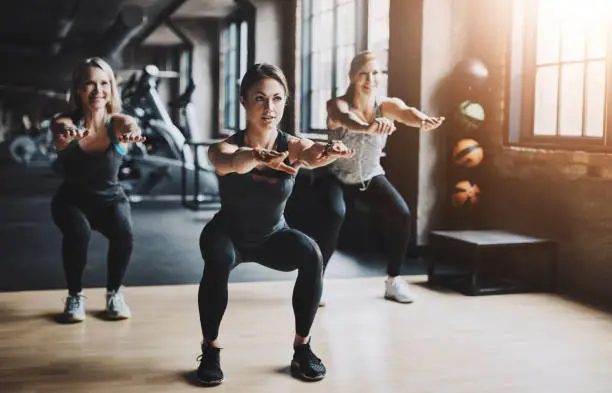
The Foundation of Lower-Body Strength bodyweight squats are among the most effective lower-body exercises because they target the quadriceps, hamstrings, glutes, and core simultaneously. Stand with your feet shoulder-width apart, keep your chest lifted, and lower your hips until your thighs are nearly parallel to the floor before returning to a standing position. Avoid allowing your knees to collapse inward, and maintain control throughout each repetition. Squats improve balance, strengthen leg muscles, enhance mobility, and support daily activities like climbing stairs or lifting objects. Beginners can start with two to three sets of ten to fifteen repetitions while gradually increasing volume as strength and confidence
improve Push-Ups
The Ultimate Upper-Body Exercise push-ups are one of the most effective bodyweight exercises for developing upper-body strength. They primarily target the chest, shoulders, triceps, and core while also engaging stabilizing muscles throughout the body. Begin in a high plank position with your hands slightly wider than shoulder-width apart. Keep your body in a straight line from head to heels, lower your chest toward the floor, and push back up. If standard push-ups feel too difficult, start with knee push-ups or wall push-ups and gradually progress to the full version. Performing two to four sets of eight to fifteen repetitions consistently will improve strength, posture, and muscular endurance over time.
Planks
Strengthen Your Core Naturally planks are among the best exercises for building a strong and stable core without using equipment. Unlike traditional abdominal exercises that focus mainly on the stomach muscles, planks engage the entire core, including the lower back, obliques, shoulders, and glutes. Start by resting on your forearms and toes while keeping your body in a straight line. Tighten your abdominal muscles and avoid letting your hips sag or rise too high. Hold the position for twenty to sixty seconds depending on your fitness level. Regular plank training improves posture, reduces lower back pain, enhances balance, and provides a solid foundation for many other bodyweight exercises.
Lunges
Build Stronger Legs and Better Balance lunges are an excellent lower-body exercise that strengthens the quadriceps, hamstrings, glutes, and calves while improving coordination and balance. Stand upright, step one foot forward, and lower your body until both knees form approximately ninety-degree angles. Push through your front heel to return to the starting position before repeating on the opposite leg. Walking lunges, reverse lunges, and side lunges are excellent variations that challenge different muscle groups. Beginners should perform two or three sets of ten repetitions on each leg. Practicing lunges consistently not only develops leg strength but also improves stability for everyday movements and athletic performance.
Mountain Climbers
Burn Calories and Improve Endurance mountain climbers combine cardiovascular training with full-body muscle engagement, making them one of the best fat-burning exercises you can perform at home. Begin in a high plank position and quickly alternate bringing each knee toward your chest while maintaining a strong core and stable upper body. This exercise works the shoulders, arms, chest, core, and legs while significantly increasing your heart rate. Mountain climbers improve endurance, agility, coordination, and calorie burning within a short period. Beginners can perform the movement slowly for thirty seconds, while more advanced individuals can increase speed and duration for a higher-intensity workout.
Burning
A Full-Body Fat-Burning Exercise Home Workout Without Equipment are often considered one of the most challenging bodyweight exercises because they combine strength training with cardiovascular conditioning. Begin by standing upright, squat down, place your hands on the floor, jump your feet back into a plank position, perform a push-up if desired, jump your feet forward, and explode upward into a jump. Burpees activate nearly every major muscle group while improving endurance, coordination, and cardiovascular health. Although they are demanding, beginners can modify the movement by removing the push-up or jump until they build confidence. Including burpees in your routine helps maximize calorie burn and overall fitness.Jumping Jacks and High Knees for Cardio Fitness jumping jacks and high knees are simple yet highly effective cardio exercises that require no equipment and very little space. Jumping jacks improve cardiovascular endurance while warming up the entire body. High knees elevate your heart rate quickly, strengthen your hip flexors and legs, and improve coordination. Together, these exercises enhance stamina and help burn calories efficiently. Beginners can perform each exercise for thirty to forty-five seconds followed by fifteen to twenty seconds of rest. Repeating several rounds provides an excellent cardiovascular workout that supports weight management and overall heart health while keeping your routine fun and energetic.Create a Weekly
Home Workout Plan
A structured workout schedule makes it easier to stay consistent and achieve lasting results. Beginners should aim for three to five workout sessions each week while allowing time for recovery. A balanced weekly routine could include full-body strength workouts on Monday, Wednesday, and Friday, cardio-focused sessions on Tuesday and Saturday, and stretching or yoga on Thursday and Sunday. Each workout should begin with a proper warm-up and end with gentle stretching to improve flexibility and reduce muscle soreness. Following a consistent schedule helps build healthy habits, improves motivation, and allows your body to recover properly between training sessions.
Common Mistakes to Avoid During Home Workouts
Many people unknowingly slow their progress by making simple workout mistakes. One of the biggest errors is skipping the warm-up, which increases the risk of injury and reduces performance. Poor exercise technique can also place unnecessary stress on joints and muscles, leading to discomfort. Another common mistake is expecting immediate results without staying consistent. Fitness improvements take time, patience, and regular effort. Neglecting proper nutrition, hydration, sleep, and recovery can also limit your progress. Finally, avoid repeating the exact same workout every day. Gradually increasing exercise difficulty and introducing new movements keeps your muscles challenged and prevents training plateaus.
Can You Lose Weight with a Home Workout Without Equipment?
Yes, a home workout without equipment can be highly effective for weight loss when combined with a balanced diet and a consistent exercise routine. Bodyweight exercises such as burpees, mountain climbers, jumping jacks, high knees, squats, and push-ups increase your heart rate and burn calories while strengthening your muscles. The key to losing weight is creating a calorie deficit by burning more calories than you consume. Performing full-body workouts three to five times per week, along with daily walking or other physical activities, can accelerate fat loss. Remember that sustainable weight loss is gradual, so focus on building healthy habits rather than searching for quick fixes. Consistency, proper nutrition, and adequate sleep work together to produce long-lasting results.
Home Workout Without Equipment nutrition
Tips to Support Your Home Workout exercise alone is not enough to achieve your fitness goals. Proper nutrition plays a crucial role in helping your body recover, build muscle, and maintain energy levels. Eat a balanced diet rich in lean proteins, whole grains, fruits, vegetables, healthy fats, and plenty of water. Protein sources such as chicken, fish, eggs, yogurt, beans, and lentils help repair muscles after workouts. Complex carbohydrates provide energy for training, while healthy fats support overall health. Avoid excessive sugary snacks, processed foods, and sugary drinks that can slow your progress. Eating smaller, balanced meals throughout the day and staying hydrated will help improve workout performance, recovery, and overall well-being.Recovery Is Just as Important as Exercise many people believe working out every day leads to faster results, but recovery is an essential part of any successful fitness program. During rest, your muscles repair and grow stronger after the stress of exercise. Without proper recovery, you increase the risk of fatigue, injury, and reduced performance. Aim for seven to nine hours of quality sleep every night and schedule at least one or two recovery days each week. Gentle stretching, yoga, and light walking are excellent active recovery options that improve blood circulation and reduce muscle soreness. Listening to your body and allowing time to recover helps you maintain consistency and continue making steady progress toward your fitness goals.
How to Stay Motivated with Home Workouts
Staying motivated is often one of the biggest challenges when exercising at home. Setting realistic and measurable goals can help you stay focused and committed. Instead of aiming for perfection, celebrate small achievements such as completing a workout, increasing repetitions, or improving your endurance. Create a dedicated workout space, follow a weekly schedule, and exercise at the same time each day to build a routine. Listening to motivating music, tracking your progress, and inviting family members or friends to join you can also make workouts more enjoyable. Remember that motivation comes and goes, but developing discipline and consistency is what leads to lasting fitness success.
Advanced Bodyweight Exercises for Greater Challenges Home Workout Without Equipment
As your strength and fitness improve, your body needs new challenges to continue progressing. Advanced bodyweight exercises provide greater resistance without requiring equipment. Variations such as decline push-ups, diamond push-ups, Bulgarian split squats using a chair, pistol squats, side planks, plank shoulder taps, jump squats, and burpee tuck jumps increase workout intensity while targeting multiple muscle groups. You can also slow down each repetition or increase workout volume to create progressive overload. These advanced movements help improve strength, balance, coordination, and muscular endurance while keeping your workouts exciting. Always prioritize proper form over speed to reduce the risk of injury and maximize results.Track Your Fitness Progress tracking your progress is one of the best ways to stay motivated and measure improvements. Keep a workout journal or use a fitness app to record the number of repetitions, sets, workout duration, and how you feel after each session. Take progress photos every few weeks, measure your waist, hips, arms, and legs, and note improvements in energy levels, strength, and endurance. Avoid relying only on the scale because muscle gain and fat loss can occur at the same time. Regularly reviewing your progress helps identify areas for improvement, keeps you motivated, and reminds you how far you’ve come on your fitness journey.Why Consistency Is the Secret to Long-Term Success the most successful fitness journeys are built on consistency rather than perfection. Missing one workout will not ruin your progress, but regularly skipping exercise can delay your results. Create realistic goals that fit your lifestyle and choose workouts you genuinely enjoy. Even a twenty- or thirty-minute session several times a week can produce significant health benefits over time. Stay patient, trust the process, and remember that every workout brings you one step closer to becoming stronger and healthier. By making exercise a regular part of your daily routine, you’ll develop habits that support lifelong fitness and overall well-being.
FAQs
Can I build muscle with a home workout without equipment
Yes. Bodyweight exercises such as push-ups, squats, lunges, planks, and burpees can build lean muscle and strength. Increase repetitions, sets, and exercise difficulty over time to continue making progress.
How many days a week should I do a home workout?
Most beginners should aim for 3–5 workout sessions per week with one or two rest days to allow proper recovery and muscle growth.
Is a home workout without equipment effective for weight loss?
Absolutely. Combined with a healthy diet and a calorie deficit, bodyweight workouts help burn calories, reduce body fat, and improve overall fitness.How long should a home workout last?A workout lasting 20–45 minutes is usually enough for most people, depending on their fitness level and goals.
Do I need to warm up before exercising?
Yes. A 5–10 minute warm-up prepares your muscles, increases blood flow, improves mobility, and reduces the risk of injury.
Which bodyweight exercise burns the most calories?
Burpees, mountain climbers, jumping jacks, high knees, and jump squats are among the best calorie-burning bodyweight exercises.
Can beginners do home workouts without equipment?
Yes. Beginners should start with simple exercises like bodyweight squats, wall push-ups, glute bridges, planks, and walking lunges while focusing on proper form.
What should I eat after a home workout?
Eat a meal containing lean protein and healthy carbohydrates, such as grilled chicken with brown rice, eggs with whole-grain toast, or Greek yogurt with fruit to support muscle recovery.
How long does it take to see results?
Most people notice improvements in energy, strength, and endurance within 4–8 weeks when they exercise consistently and follow a healthy diet.
Can I do home workouts every day?
You can stay active daily, but avoid training the same muscle groups intensely every day. Include recovery days or alternate between strength, cardio, and flexibility workouts.
Conclusion
A home workout without equipment is one of the simplest, most affordable, and most effective ways to improve your overall health and
fitness. You don’t need a gym membership or expensive exercise machines to build strength, lose weight, improve endurance, and increase flexibility. With bodyweight exercises like push-ups, squats, lunges, planks, mountain climbers, and burpees, you can achieve excellent results from the comfort of your home. The key to success is consistency, proper exercise technique, balanced nutrition, quality sleep, and gradual progression. Whether you’re a beginner starting your fitness journey or someone looking for a convenient workout routine, bodyweight training offers endless possibilities. Set realistic goals, stay patient, and celebrate every improvement along the way. Remember that lasting fitness is not about perfection but about building


Leave a Reply