

Introduction
Aerobic exercise is one of the simplest ways to improve your fitness, support your heart, and build better endurance. You do not need expensive equipment or a gym membership to become more active. Walking, cycling, dancing, swimming, jogging, and many other activities can raise your heart rate and make your breathing faster.
The key is to choose activities you enjoy and gradually increase the amount of work you do. If you are new to exercise, start slowly and give your body time to adapt. Over time, regular aerobic exercise can help you feel more energetic and make everyday activities easier. This guide explains what aerobic exercise is, its benefits, different types, how to progress your workouts, and important safety tips for beginners.
What Is Aerobic Exercise?
Aerobic exercise is physical activity that makes your heart beat faster and causes you to breathe more deeply. It uses large muscle groups and can be performed continuously for a period of time.
The word aerobic means with oxygen During aerobic activity, your body uses oxygen to help produce energy for your working muscles. Your heart and lungs work together to deliver oxygen throughout your body.
Common examples of aerobic exercise include:
- Walking
- Brisk walking
- Jogging
- Running
- Cycling
- Swimming
- Dancing
- Hiking
- Rowing
- Jumping rope
- Stair climbing
- Elliptical workouts
- Treadmill workouts
Aerobic exercise can range from low-intensity activities, such as an easy walk, to high-intensity activities, such as running or fast cycling.
You do not have to exercise at a very high intensity to receive benefits. Consistency is often more important than trying to exercise as hard as possible every time.
Why Is Aerobic Exercise Important?
Your heart is a muscle, and regular physical activity gives it a reason to work harder. As your fitness improves, your body can become more efficient at delivering oxygen to your muscles.
Aerobic exercise also trains your muscles to work for longer periods. This can improve endurance and make everyday activities feel easier.
For example, someone who regularly walks or cycles may find that climbing stairs, walking to work, or doing household tasks becomes less tiring.
Another important benefit is that aerobic exercise can be flexible. You can choose an activity based on your fitness level, available time, interests, and equipment.
You can exercise outdoors, at home, or in a fitness center.
Benefits of Aerobic Exercise
Regular aerobic exercise can provide many physical and mental benefits when it is performed safely and consistently.
1. Supports Heart Health
One of the major reasons people perform aerobic exercise is to support cardiovascular fitness.
During aerobic activity, your heart works harder to pump blood around your body. Over time, regular exercise can help improve your cardiovascular endurance.
Activities such as brisk walking, cycling, swimming, and jogging can all be useful forms of cardio.
You do not need to run long distances to support your heart. A consistent walking routine can also be a good starting point for someone who has been inactive.
2. Improves Cardiovascular Endurance
Cardiovascular endurance describes your body’s ability to continue physical activity for an extended period.
When your aerobic fitness improves, you may be able to walk farther, cycle longer, or exercise without becoming tired as quickly.
For example, a beginner might become tired after walking for 10 minutes. After several weeks of regular activity, the same person may be able to walk for 30 minutes at a comfortable pace.
Progress happens gradually, so patience is important.
3. Helps Support Weight Management
Aerobic exercise uses energy, and regular physical activity can contribute to maintaining a healthy body weight.
Walking, running, cycling, swimming, dancing, and other cardio activities can increase the amount of energy your body uses.
However, exercise should not be viewed as the only factor in weight management. Nutrition, sleep, daily activity, stress, and other lifestyle factors also matter.
A combination of regular physical activity and healthy eating habits is generally more sustainable than relying on extremely hard workouts.
4. Can Improve Mood
Physical activity can also support mental well-being.
Many people feel more relaxed or positive after exercising. Activities such as walking outdoors, dancing, cycling, or swimming can provide a break from work and daily responsibilities.
You can also make exercise more enjoyable by doing it with friends or family.
The best workout is often one that you actually enjoy and can continue doing regularly.
5. Builds Everyday Stamina
Aerobic fitness is not only useful for sports.
Better endurance can make normal activities easier. You may find it easier to walk around a shopping center, climb stairs, play with children, complete household tasks, or spend time outdoors.
This is one reason aerobic training can be useful for people of many different fitness levels.
6. Supports Better Physical Fitness
Aerobic exercise is an important part of overall fitness.
While strength training focuses more on muscle strength and resistance, aerobic workouts focus strongly on cardiovascular endurance.
A balanced fitness routine can include both aerobic exercise and strength training.
7. Can Help You Stay Active as You Get Older
Maintaining regular physical activity throughout life can help support mobility and independence.
Low-impact activities such as walking, swimming, and cycling can be particularly useful options for people who prefer to reduce stress on their joints.
The appropriate activity and intensity depend on your individual fitness level and health.
Types of Aerobic Exercise
There are many ways to perform aerobic exercise. Choosing different activities can keep your workouts interesting and allow you to work at different intensity levels.
Walking
Walking is one of the easiest aerobic exercises for beginners.
You can start with a comfortable pace and gradually increase your speed or distance.
A simple walking workout might look like this:
- Warm up for 5 minutes.
- Walk comfortably for 5 minutes.
- Walk at a faster pace for 10 to 20 minutes.
- Slow down for 5 minutes.
- Finish with gentle movement and stretching if comfortable.
You can walk outside, around your neighborhood, in a park, or on a treadmill.
Jogging and Running

Jogging and running provide a higher-intensity option than normal walking.
If you are a beginner, you do not need to run continuously. Try alternating walking and jogging.
For example:
- Walk for 2 minutes.
- Jog gently for 1 minute.
- Repeat several times.
- Finish with a comfortable walk.
As your fitness improves, you can slowly increase the jogging time.
Cycling
Cycling is another effective aerobic activity.
You can ride a traditional bicycle outdoors or use a stationary bike indoors.
Cycling allows you to adjust the intensity by changing your speed, resistance, or terrain.
It can also be a practical way to add movement to your daily routine.
Swimming
Swimming can provide a full-body aerobic workout while placing relatively little impact on the joints.
Different swimming strokes can change the difficulty of the workout.
If you are new to swimming for exercise, start with short periods and take breaks when needed.
Dancing
Dancing can be an enjoyable form of cardio.
You can dance at home, join a class, or simply play music and move.
Because enjoyment is important for long-term consistency, dancing can be an excellent option for people who do not enjoy traditional workouts.
Jumping Rope
Jumping rope can quickly increase your heart rate.
It is more demanding than many beginner activities, so start with short intervals.
For example, jump for 20 to 30 seconds and then rest before repeating.
Good technique and suitable footwear can help make the activity more comfortable.
Hiking
Hiking combines aerobic activity with time outdoors.
The difficulty depends on the distance, speed, terrain, and elevation.
Beginners should start with an easier route and gradually progress to longer or more challenging hikes.
Rowing
Rowing can provide an aerobic workout while also involving the upper and lower body.
A rowing machine allows you to control resistance and workout duration.
If you are new to rowing, focus on learning proper technique before trying to increase speed or resistance.
Elliptical Training
An elliptical machine provides a low-impact cardio option.
It allows you to adjust resistance and speed while maintaining continuous movement.
Some people find the elliptical comfortable because it produces less impact than running.
Treadmill Workouts
A treadmill can be used for walking, jogging, or running.
It is especially useful when outdoor conditions are uncomfortable.
You can control the speed and, on many treadmills, the incline.
How to Progress Your Aerobic Workout
As your body becomes fitter, your current workout may start to feel easier. When this happens, you can gradually increase the challenge. Progressing your aerobic workout helps your body continue adapting and can improve endurance over time.
There are three simple ways to progress an aerobic exercise:
- Increase speed.
- Increase resistance.
- Increase duration.
You can use one method at a time or carefully combine them. The most important rule is to make changes gradually rather than suddenly increasing the workload.
Increase Speed
Increasing your speed can make an aerobic workout more challenging. For example, if you normally walk at a relaxed pace, you can gradually move toward a brisk walking pace.
If you already jog regularly, you might add short periods of faster running to your workout. These faster intervals do not need to last for a long time. Even a few minutes of increased effort can make the workout more demanding.
Always give your body enough time to adapt before making another increase.
Increase Resistance
Resistance is another way to make cardio exercise more challenging. You can increase resistance on equipment such as stationary bikes, rowing machines, and elliptical trainers.
On a treadmill, increasing the incline can make walking or running more difficult. When cycling outdoors, hills can naturally increase the resistance of the workout.
Increase resistance slowly and focus on maintaining good exercise technique.
Increase Duration
Another simple way to progress is to exercise for a longer period.
For example, if you currently walk for 20 minutes, you could gradually increase your workout to 25 or 30 minutes. Increasing duration can be a comfortable way for beginners to improve endurance without immediately increasing exercise intensity.
Remember that longer workouts are not always better. Your workout should match your fitness level, goals, and recovery ability.
How Quickly Should You Increase Exercise Intensity?
Aerobic exercise intensity should generally be increased gradually. Your heart, lungs, muscles, joints, and connective tissues all need time to adapt to changes in your training.
You do not need to make every workout harder. Some sessions can be easy, while others can be more challenging.
A simple approach is to change one part of your workout at a time. For example, if you normally walk for 20 minutes, you might first increase the duration. After your body becomes comfortable with the longer workout, you can work on increasing your walking speed.
Avoid increasing speed, distance, duration, and resistance all at the same time. Doing too much too quickly can make exercise unnecessarily difficult and may interfere with recovery.
Do You Need a Gym to Do Aerobic Exercise?
No, you do not need a gym or fitness center to perform aerobic exercise. Many effective cardio activities can be completed at home or outdoors without specialized equipment.
Some simple aerobic activities include:
- Walking
- Dancing
- Jogging
- Running
- Cycling
- Jumping rope
- Stair climbing
- Hiking
- Low-impact home cardio
- Outdoor sports
If you enjoy using fitness equipment, a gym can provide additional options. Treadmills, stationary bikes, ellipticals, and rowing machines can make it easier to control your workout speed and resistance.
However, expensive equipment is not required to improve your aerobic fitness. Regular movement and consistency are much more important.
Aerobic Exercise at Home
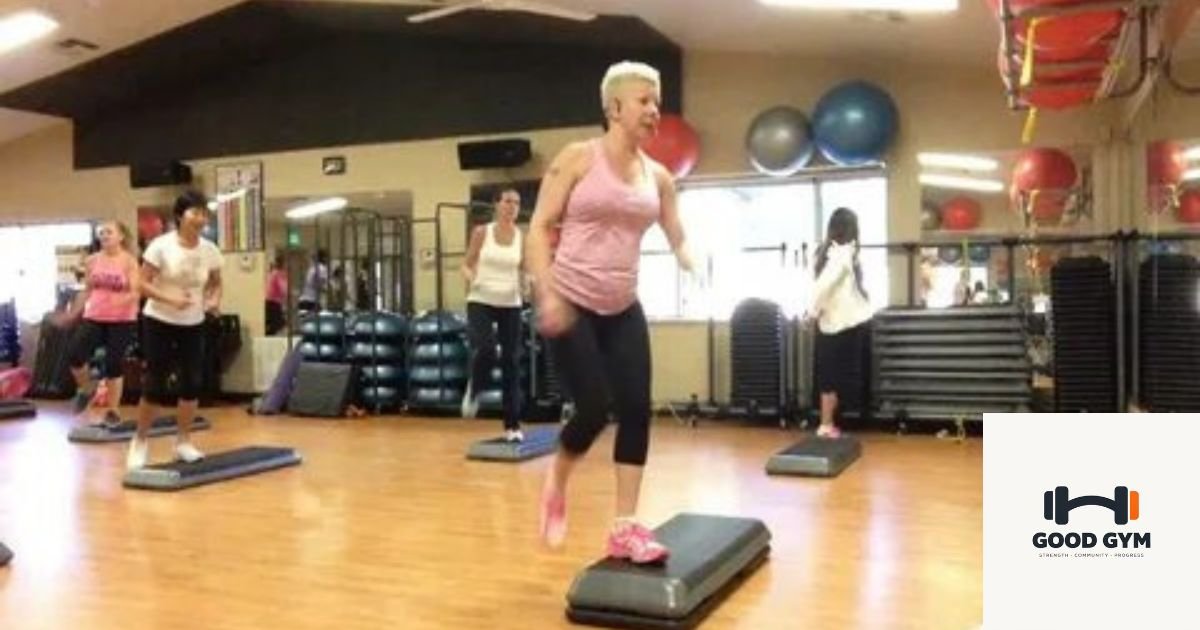
Home cardio workouts can be convenient because you do not need to travel to a fitness center. You can create a simple workout using movements that require little or no equipment.
A beginner home cardio session can include marching in place, step touches, bodyweight squats, low-impact jumping jacks, knee lifts, and other simple movements.
20-Minute Beginner Cardio Workout
This simple routine can be adjusted to match your fitness level.
Warm-Up: 5 Minutes
Begin with easy movements such as marching in place. Gradually increase your movement while keeping the intensity comfortable.
Main Workout: 10 Minutes
Perform each movement for approximately 30 to 60 seconds, followed by a short recovery period when needed.
- Marching in place
- Step touches
- Bodyweight squats
- Low-impact jumping jacks
- Fast marching
- Alternating knee lifts
Repeat the movements until you complete the main workout period. Beginners can take additional rest periods whenever necessary.
Cool-Down: 5 Minutes
Finish by slowing your movements. Walk slowly or march gently in place while allowing your breathing to return toward normal.
You can also perform gentle stretches if they feel comfortable.
Aerobic Exercise for Beginners
If you have not exercised regularly for a long time, starting with an extremely hard workout is usually unnecessary. A gradual approach can help you develop a sustainable exercise habit.
Walking is often a convenient starting point because you can easily control your speed, distance, and workout duration.
A beginner could start with a short session and gradually increase the amount of activity as fitness improves.
For example, a simple progression could look like this:
- Week 1: 10 to 15 minutes per session
- Week 2: 15 to 20 minutes per session
- Week 3: 20 to 25 minutes per session
- Week 4: 25 to 30 minutes per session
This is only an example and does not need to be followed exactly. Your starting point should depend on your current fitness level and how your body responds to exercise.
If a workout feels too difficult, reduce the intensity or duration. If it becomes comfortable over time, you can gradually add more activity.
How Long Should an Aerobic Workout Last?
There is no single workout duration that is perfect for everyone. The right amount of aerobic exercise depends on your fitness level, goals, activity, health, and available time.
A beginner may benefit from shorter sessions, while someone with more training experience may comfortably exercise for longer periods.
If you have limited time, you can divide your physical activity into shorter sessions throughout the day. For example, instead of completing one long walk, you could take several shorter walks.
The most important goal is to build a consistent routine that you can maintain. You do not need to complete extremely long workouts to become more active.
Aerobic Exercise and Strength Training

Aerobic exercise and strength training have different purposes, but they can work very well together as part of a balanced fitness routine. Aerobic workouts mainly focus on cardiovascular endurance, while strength training challenges your muscles through resistance.
For example, walking, running, cycling, and swimming are common forms of aerobic exercise. Squats, lunges, push-ups, rows, and resistance exercises are examples of strength training.
Combining both types of exercise can help you develop well-rounded fitness. You can schedule cardio and strength workouts on different days or include both in the same weekly routine.
Benefits of Combining Cardio and Strength Training
- Improves cardiovascular endurance.
- Builds and maintains muscle strength.
- Supports overall physical fitness.
- Provides variety in your workout routine.
- Can make exercise more interesting.
- Helps you develop different aspects of fitness.
You do not have to perform long workouts every day. Creating a realistic routine that fits your schedule can make it easier to stay consistent.
How to Make Aerobic Exercise More Enjoyable
If you do not enjoy your workout, it can become difficult to maintain the habit. Choosing activities that you genuinely like can make regular physical activity easier and more enjoyable.
There are many simple ways to make aerobic exercise more interesting.
- Listen to music while walking or exercising.
- Exercise with a friend or family member.
- Walk outdoors instead of always exercising indoors.
- Try different cardio activities.
- Join a dance or fitness class.
- Explore different walking or hiking routes.
- Set small and realistic weekly goals.
- Track your workouts and progress.
You can also change your routine from time to time. For example, you might walk on one day, cycle on another day, and perform a home cardio workout later in the week.
Your goal should not be to make every workout exhausting. Instead, focus on creating a routine that you can continue for months and years.
Common Aerobic Exercise Mistakes
Although aerobic exercise is generally simple, beginners can make mistakes that make workouts harder than necessary. Understanding these mistakes can help you build a safer and more sustainable routine.
Starting Too Fast
One common mistake is trying to do too much too soon. A person who is excited about starting a new fitness routine may suddenly perform a long or intense workout.
This can cause excessive fatigue and make it harder to continue exercising regularly.
Start with a manageable level of activity and increase your workload gradually as your fitness improves.
Ignoring Recovery
Recovery is an important part of exercise. Your body needs time to adapt after challenging physical activity.
If you feel unusually tired or experience significant soreness, consider reducing your workout intensity or taking additional recovery time.
Rest days do not mean you are failing. Recovery can help you return to your next workout feeling ready to move.
Doing Only One Activity
Repeating exactly the same workout every day can become boring. It can also limit the variety of movement in your fitness routine.
Try different forms of aerobic exercise. You might walk on some days, cycle on others, and swim, dance, or perform a home cardio workout on another day.
Focusing Only on Intensity
Harder does not always mean better. An extremely difficult workout is not necessarily more useful than a moderate workout that you can perform consistently.
Choose an intensity that matches your current fitness level and gradually challenge yourself as your body adapts.
Skipping the Warm-Up
Starting intense exercise immediately can feel uncomfortable. A short warm-up allows you to begin with easier movements before gradually increasing your activity level.
Try walking slowly, marching in place, or performing other gentle movements for several minutes before a more challenging workout.
Aerobic Exercise Safety Tips
Safety should always be an important part of your exercise routine. Whether you are walking, running, cycling, swimming, or exercising at home, choose activities that are appropriate for your current fitness level.
Helpful aerobic exercise safety tips include:
- Wear comfortable clothing that allows you to move freely.
- Use suitable footwear for your chosen activity.
- Drink enough fluids, especially during longer workouts.
- Warm up before more challenging exercise.
- Increase training gradually.
- Pay attention to how your body feels.
- Take breaks when necessary.
- Allow enough time for recovery.
- Choose a safe place to exercise.
- Avoid pushing through significant pain.
If you are new to exercise, have been inactive for a long time, or have a health condition, talk with a healthcare professional before starting a new exercise program.
If you experience significant pain, dizziness, unusual shortness of breath, chest discomfort, or another concerning symptom while exercising, stop the activity and seek appropriate medical advice.
Can Aerobic Exercise Help Burn Belly Fat?
Aerobic exercise can increase physical activity and energy expenditure, so it can be part of a healthy weight-management plan.
However, you cannot control exactly where your body loses fat. Performing large numbers of abdominal exercises does not guarantee that fat will disappear specifically from your stomach.
A more complete approach is to combine regular aerobic exercise with strength training, nutritious food choices, adequate sleep, and other healthy lifestyle habits.
Instead of focusing only on one part of your body, focus on improving your overall fitness and health.
Can You Do Aerobic Exercise Every Day?
Some people can perform light or moderate aerobic activity regularly, especially activities such as comfortable walking. However, the appropriate amount of exercise depends on the intensity of the activity, your fitness level, recovery, and individual circumstances.
Easy movement may be comfortable on many days, while high-intensity workouts generally require more recovery.
If you exercise frequently, consider varying the intensity throughout the week. For example:
- Easy walking on one day.
- Moderate cycling on another day.
- Rest or light activity.
- A more challenging cardio workout.
- Easy walking or another low-intensity activity.
This type of variation can help you avoid making every workout highly demanding.
How to Know If Your Aerobic Workout Is Working
Progress in aerobic fitness does not always mean losing weight. There are many other signs that your cardiovascular fitness and endurance are improving.
You may notice that:
- You can walk farther without feeling as tired.
- You can exercise for a longer period.
- Climbing stairs becomes easier.
- You recover faster after physical activity.
- Your usual workout feels less difficult.
- You have more confidence while exercising.
- You can complete everyday activities more comfortably.
Tracking your workouts can help you recognize these changes. You can record the type of aerobic exercise, workout duration, distance, speed, and how difficult the session felt.
For example, if you can comfortably walk for 20 minutes today and later progress to 30 or 40 minutes at a similar effort, that is a useful sign of improved endurance.
Simple Ways to Track Your Progress
You do not need complicated equipment to monitor your aerobic fitness. A notebook, smartphone, fitness watch, or simple workout app can be enough.
Record information such as:
- Workout type
- Workout duration
- Distance completed
- Walking or running pace
- Number of sessions per week
- How difficult the workout felt
Look at your progress over several weeks rather than judging yourself after one workout. Fitness improvements usually happen gradually.
Tips for Building a Consistent Aerobic Exercise Routine

Consistency is one of the most important parts of improving aerobic fitness. A workout routine does not need to be complicated. The goal is to create a plan that fits naturally into your lifestyle.
Choose a Realistic Schedule
Choose days and times when you are most likely to exercise. If you have a busy schedule, shorter workouts may be easier to maintain than long sessions.
Start With Activities You Enjoy
If you enjoy walking, start with walking. If you like music, try dancing. If you enjoy being outdoors, consider cycling or hiking.
Enjoyment can make it easier to stay active over the long term.
Set Small Goals
Instead of setting a large goal immediately, create smaller targets. You might aim to complete a certain number of walks each week or gradually increase your walking time.
Small improvements can add up over time.
Frequently Asked Questions About Aerobic Exercise
What is the best aerobic exercise for beginners?
Walking is one of the simplest aerobic exercises for beginners because you can easily control your pace and duration. Other beginner-friendly options can include easy cycling, swimming, dancing, and low-impact home cardio.
How often should I do aerobic exercise?
The appropriate frequency depends on your fitness level, workout intensity, goals, and individual circumstances. Beginners can start with manageable sessions and gradually increase their activity as their fitness improves.
Can I do aerobic exercise at home?
Yes. You can perform many types of cardio at home without specialized equipment. Marching in place, dancing, low-impact jumping jacks, step movements, bodyweight exercises, and indoor walking can all add aerobic activity to your day.
Is walking considered aerobic exercise?
Yes. Walking can be an aerobic activity, particularly when you walk continuously at a pace that increases your heart rate and breathing. You can gradually increase your walking speed or duration as your fitness improves.
Is running better than walking?
Running generally provides a higher-intensity workout, but that does not mean it is automatically better for everyone. Walking can be an excellent aerobic exercise, especially for beginners or people who prefer lower-impact activities. The best activity is one that matches your fitness level and that you can perform consistently.
Can aerobic exercise help with weight loss?
Aerobic exercise can contribute to weight management by increasing physical activity and energy expenditure. However, weight management also involves nutrition, sleep, daily movement, and other lifestyle factors. A sustainable approach is usually more useful than relying only on intense workouts.
Should I exercise if I am sore?
Mild muscle soreness can sometimes happen after starting a new activity or increasing your workout. Light movement may feel comfortable for some people, but significant or worsening pain is a reason to stop and allow your body to recover. Persistent or severe pain should be discussed with an appropriate healthcare professional.
Can aerobic exercise improve stamina?
Yes. Regular aerobic training can improve cardiovascular endurance and help your body become more efficient during physical activity. Over time, you may be able to exercise for longer periods without becoming tired as quickly.
Do I need cardio equipment to perform aerobic exercise?
No. Cardio equipment is optional. Walking, jogging, hiking, dancing, outdoor cycling, swimming, and many home cardio exercises can provide aerobic activity without specialized machines.
How can I make aerobic workouts more challenging?
You can gradually increase the challenge by increasing your speed, resistance, or workout duration. For example, you could walk faster, increase the resistance on a stationary bike, add an incline to a treadmill workout, or exercise for a few extra minutes.
Make changes gradually and give your body enough time to adapt before increasing the workload again.
Conclusion
Aerobic exercise is a simple and flexible way to improve cardiovascular fitness, build endurance, and become more physically active. You do not need a gym membership, expensive equipment, or advanced fitness experience to get started.
Walking, cycling, swimming, dancing, jogging, hiking, and home cardio workouts can all become part of a regular fitness routine. The best option is one that fits your lifestyle and that you enjoy enough to continue.
If you are a beginner, start with a manageable amount of activity and gradually increase the challenge. You can progress by increasing speed, resistance, or duration, but avoid making large changes too quickly.
Remember that consistency is more important than making every workout extremely difficult. Give your body time to recover, listen to how you feel, and build your fitness step by step.
With regular aerobic activity and healthy lifestyle habits, you can develop better endurance and make physical activity an enjoyable part of your everyday life.


Leave a Reply