Introducation
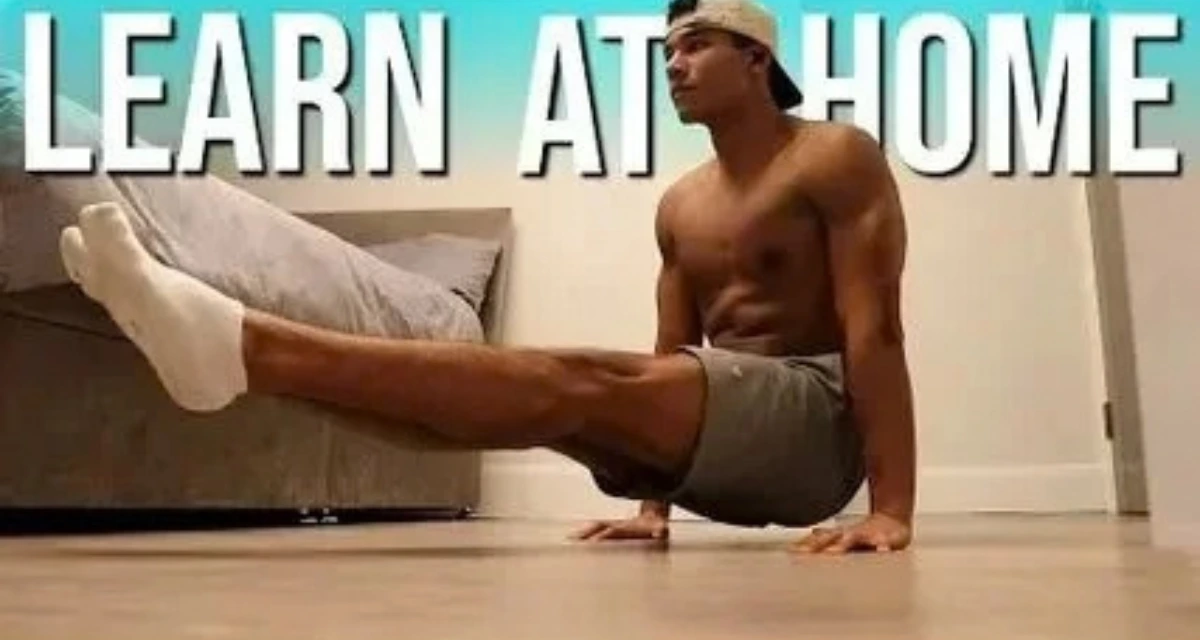
Home calisthenics is a simple and effective way to improve strength, mobility, endurance, balance, and overall fitness using your own body weight. You do not need expensive gym equipment or a large workout space to get started. With exercises such as push-ups, squats, lunges, planks, dips, and mountain climbers, you can train many major muscle groups from the comfort of your home.
For beginners, home calisthenics can be especially useful because exercises can be modified according to your current fitness level. As you become stronger, you can increase repetitions, change exercise variations, reduce rest time, or use more challenging movements. This guide explains how to start calisthenics at home, which exercises to perform, how to create a routine, and how to progress safely.
What Is Home Calisthenics?
Home calisthenics is a form of bodyweight training that uses your own body as resistance. Instead of relying mainly on machines, barbells, or dumbbells, you perform controlled movements that challenge your muscles and cardiovascular system.
The goal is not simply to complete as many repetitions as possible. Good calisthenics training focuses on proper form, body control, strength development, mobility, and gradual progression. Exercises can range from beginner movements to advanced skills such as pull-ups, handstands, pistol squats, and muscle-ups.
One of the biggest advantages of home calisthenics is flexibility. You can perform a workout in your bedroom, living room, garage, or another safe area with enough space to move comfortably.
Can You Build Muscle With Home Calisthenics?
Yes, you can build muscle with home calisthenics, especially when your workouts provide enough resistance and progressive challenge. Bodyweight exercises can stimulate the muscles through movements such as push-ups, squats, lunges, dips, and challenging exercise variations.
However, muscle growth depends on several factors, including training intensity, nutrition, recovery, sleep, and consistency. Beginners may notice strength and muscle improvements relatively quickly because their bodies are adapting to a new training stimulus.
As you become more experienced, basic exercises may no longer provide enough challenge. At that point, you can use advanced variations, slower repetitions, pauses, increased range of motion, resistance bands, or a weighted backpack to continue progressing.
What Are the Best Home Calisthenics Exercises?
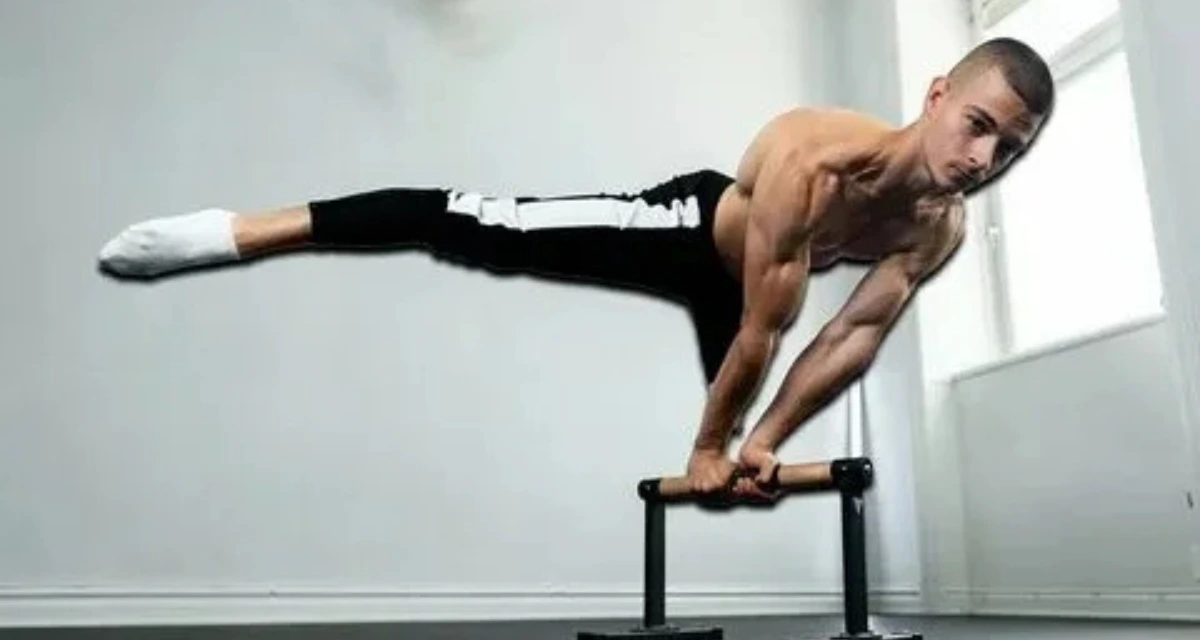
A balanced bodyweight workout should train the major movement patterns rather than focusing on only one muscle group. The following exercises are useful for building a strong foundation.
1. Push-Ups
Push-ups are one of the most useful upper-body bodyweight exercises. They primarily train the chest, shoulders, and triceps while also requiring your core to stabilize your body.
Beginners can start with wall push-ups or incline push-ups. Once these become easier, progress to standard push-ups. More advanced variations include diamond push-ups, decline push-ups, and slow-tempo push-ups.
2. Body weight Squats
Bodyweight squats are an excellent lower-body exercise that targets the quadriceps, glutes, and hamstrings. They also teach you how to control your hips, knees, and ankles during a basic movement pattern.
Keep your chest controlled, maintain a stable foot position, and move through a comfortable range of motion. Beginners can use a chair as a reference point while learning proper squat technique.
3. Reverse Lunges
Reverse lunges work the legs and glutes while challenging balance and coordination. They are often easier for beginners than forward lunges because stepping backward can make it easier to control the movement.
Perform the exercise slowly and avoid allowing the front knee to collapse inward. As your balance improves, you can increase repetitions or progress to more demanding lunge variations.
4. Glute Bridges
Glute bridges are a simple way to train the glutes and posterior chain without equipment. Lie on your back with your knees bent and feet planted on the floor. Drive your hips upward while squeezing your glutes, then lower yourself under control.
This movement can be useful for beginners who want to strengthen their hips and develop better control of the lower body.
5. Planks
Planks strengthen the core by requiring you to maintain a stable body position. Rather than simply holding the position for as long as possible, focus on controlled breathing and maintaining proper alignment.
If a full plank is difficult, start with shorter holds. Over time, gradually increase the duration or progress to more challenging plank variations.
6. Mountain Climbers
Mountain climbers combine core stability with a cardiovascular challenge. They can increase your heart rate while working the shoulders, abdominal muscles, hips, and legs.
Beginners should focus on controlled movement rather than speed. Once technique becomes comfortable, the pace can gradually increase.
7. Chair or Bench Dips
If you have a stable and secure surface, chair dips can provide additional triceps-focused training. Make sure the furniture is strong, stable, and positioned safely before attempting the exercise.
Keep the movement controlled and avoid dropping too deeply if you feel discomfort in your shoulders.
How Should Beginners Start Home Calisthenics?
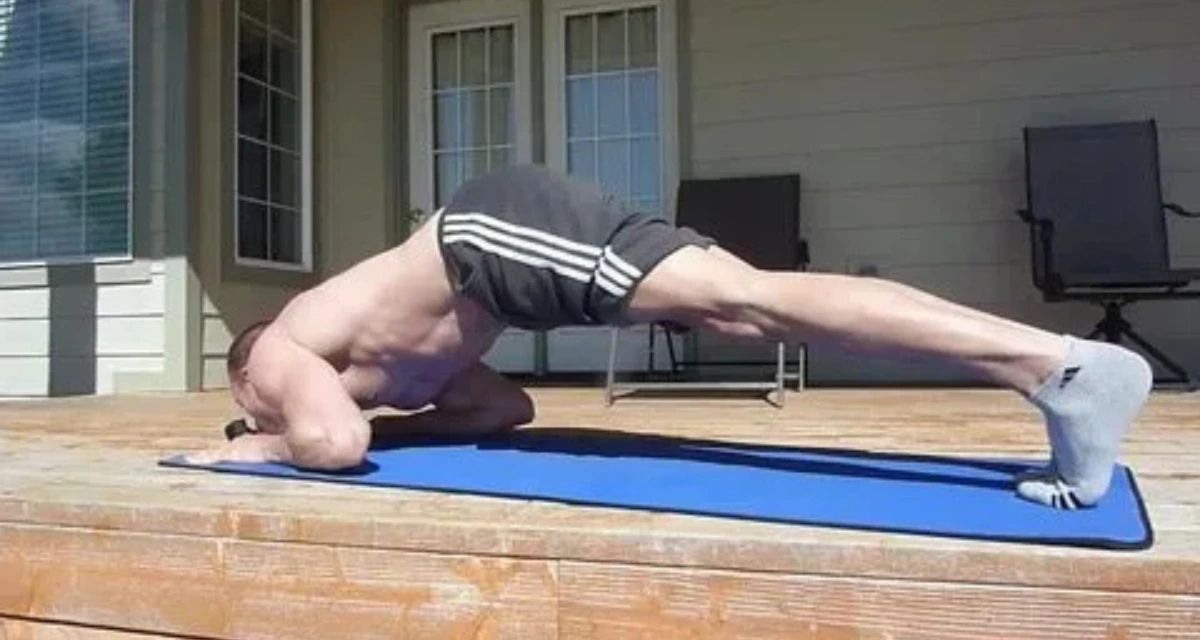
Beginners do not need to train every day. A simple routine performed three days per week can provide a strong starting point. The priority should be learning proper technique and gradually improving rather than trying to complete an extremely difficult workout immediately.
Start each session with five to ten minutes of light movement. You can walk around the room, perform arm circles, rotate your hips, and complete easy bodyweight movements to prepare your body.
After warming up, choose exercises that cover your upper body, lower body, and core. Perform a manageable number of repetitions and stop before your technique breaks down.
Beginner Home Calisthenics Workout
Try the following routine two or three times per week:
- Bodyweight squats: 10–15 repetitions
- Incline or standard push-ups: 6–12 repetitions
- Reverse lunges: 8–10 repetitions per leg
- Glute bridges: 12–15 repetitions
- Plank: 20–40 seconds
- Mountain climbers: 20–30 seconds
Rest for approximately 45–90 seconds between exercises when needed. Complete two or three rounds depending on your fitness level.
How Often Should You Do Home Calisthenics?
For most beginners, three full-body sessions per week are enough to make meaningful progress. For example, you could train on Monday, Wednesday, and Friday while using the other days for walking, mobility work, or recovery.
More training is not automatically better. Your muscles and nervous system need time to recover and adapt. If you are experiencing persistent soreness, unusual fatigue, or declining performance, consider reducing your training volume or taking an additional recovery day.
How Do You Progress in Home Calisthenics?
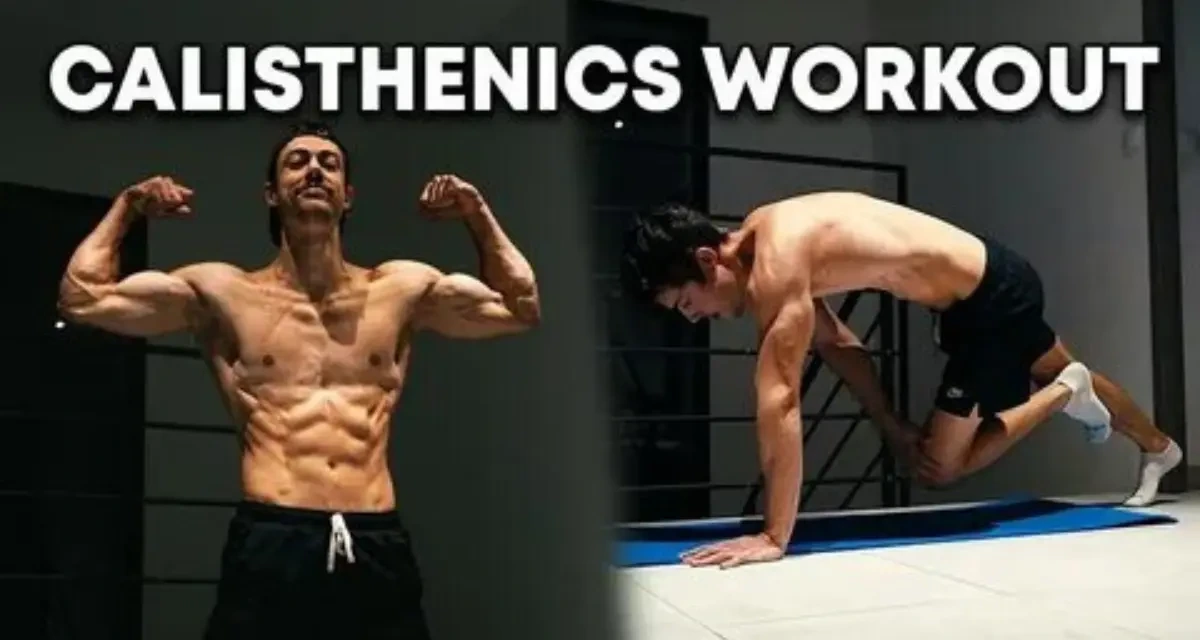
Progressive overload is one of the most important principles for improving strength. Your body needs a gradually increasing challenge rather than performing exactly the same workout indefinitely.
You can progress your home calisthenics routine in several ways:
- Increase repetitions gradually.
- Add another set when your current workload becomes easy.
- Use a slower tempo.
- Add pauses at difficult points of an exercise.
- Increase the range of motion when appropriate.
- Move from beginner variations to harder variations.
- Reduce rest periods carefully.
- Use resistance bands or household resistance when appropriate.
For example, if you can comfortably perform 10 standard push-ups with excellent form, you could work toward 12–15 repetitions before eventually trying a more challenging variation.
Can Home Calisthenics Help With Weight Loss?
Home calisthenics can support weight loss by helping you burn calories and maintain or develop muscle. However, exercise alone does not guarantee fat loss. Your overall calorie intake, daily activity, sleep, and nutrition also influence your results.
A combination of strength-focused body weight exercises and regular cardiovascular activity can be effective. Walking, cycling, jogging, or other forms of aerobic exercise can complement your calisthenics training.
If your goal is fat loss, focus on creating sustainable habits rather than trying extreme diets or excessively long workouts. Consistency over several weeks and months is more important than completing a perfect workout every day.
What Equipment Do You Need for Home Calisthenics?
You can begin home calisthenics with almost no equipment. A small amount of open floor space is usually enough for exercises such as squats, push-ups, lunges, planks, and glute bridges.
As you progress, optional equipment can expand your exercise choices. A pull-up bar can help with vertical pulling exercises, while resistance bands can provide additional resistance. A workout mat may also make floor exercises more comfortable.
Equipment is useful, but it should not become an excuse to delay starting. Building consistency with basic bodyweight exercises is more valuable than purchasing equipment you rarely use.
Common Home Calisthenics Mistakes to Avoid
Doing Too Many Repetitions
More repetitions do not automatically mean a better workout. Performing hundreds of poorly controlled repetitions can reduce exercise quality and increase unnecessary fatigue.
Ignoring Exercise Form
Proper technique should come before speed or repetition numbers. Controlled movements help you target the intended muscles and reduce the risk of unnecessary strain.
Training the Same Muscles Every Day
Your body needs recovery. Avoid repeatedly training the same muscle groups hard without allowing sufficient time to recover.
Skipping Progression
If your routine never becomes more challenging, your progress may eventually slow. Increase repetitions, sets, exercise difficulty, or another appropriate training variable gradually.
Neglecting Nutrition and Sleep
Training is only one part of fitness. Adequate protein, a balanced diet, hydration, and quality sleep all support recovery and physical performance.
How Can You Make Home Calisthenics More Challenging?
Once beginner exercises become easy, you can gradually introduce more advanced bodyweight movements. For the upper body, options include decline push-ups, diamond push-ups, pike push-ups, and eventually pull-ups if you have access to a suitable bar.
For the lower body, you can progress from regular squats to split squats, Bulgarian split squats, jump squats, and eventually single-leg squat progressions.
Core training can also become more challenging through exercises such as side planks, hollow-body holds, leg raises, and controlled mountain climbers.
The key is to progress one step at a time. You do not need to rush into advanced calisthenics skills before developing the strength and control required to perform them safely.
Is Home Calisthenics Good for Beginners?
Yes. Home calisthenics can be an excellent starting point for beginners because the exercises are accessible, inexpensive, and easy to modify. You can begin with simple movements and gradually increase the difficulty as your fitness improves.
It can also help beginners become more comfortable with fundamental movement patterns before progressing to gym equipment. Once you understand how to squat, push, lunge, brace your core, and control your body, many other forms of strength training become easier to learn.
Conclusion
Home calisthenics can provide a practical and effective way to build strength, improve mobility, develop muscular endurance, and support a healthier lifestyle without depending on a gym membership. Exercises such as push-ups, squats, lunges, glute bridges, planks, and mountain climbers can form the foundation of a complete bodyweight workout.
The most important factor is consistency. Start with exercises you can perform correctly, train regularly, allow your body to recover, and gradually increase the challenge. You do not need advanced equipment or complicated routines to make progress. With patience and progressive training, home calisthenics can become a sustainable part of your fitness routine.


Leave a Reply