

Introducation
Zone 2 cardio workouts are one of the most popular ways to improve aerobic fitness, build endurance, support heart health, and create a sustainable exercise routine. Unlike very intense cardio sessions that leave you exhausted, Zone 2 training uses a comfortable but purposeful intensity that you can maintain for a longer period. This makes it useful for beginners, regular gym-goers, runners, cyclists, and athletes who want to improve their cardiovascular fitness without constantly training at maximum effort.
A typical Zone 2 cardio workout can include brisk walking, incline treadmill walking, easy jogging, cycling, rowing, swimming, or using an elliptical machine. The main goal is to keep your exercise intensity within a relatively low aerobic training zone while maintaining steady movement. Many people describe the feeling as comfortable enough to speak in short sentences while still knowing they are exercising.
This complete guide explains what Zone 2 cardio is, how to find your Zone 2 heart rate, the best Zone 2 cardio workouts, how long you should train, how often to do it, and how to combine aerobic exercise with strength training. You will also learn how Zone 2 training can fit into a weight-loss, endurance, or general fitness program.
What Is Zone 2 Cardio?
Zone 2 cardio is a form of aerobic exercise performed at a low-to-moderate intensity where your body can efficiently produce energy using aerobic metabolism. The workout is challenging enough to raise your heart rate and breathing but not so difficult that you quickly become exhausted.
Zone 2 training is often associated with improving aerobic capacity and developing your body’s ability to sustain exercise for longer periods. Because the intensity is controlled, you can usually perform these workouts for considerably longer than high-intensity interval training.
Examples of Zone 2 exercise include walking at a brisk pace, cycling at an easy-to-moderate pace, slow jogging, swimming continuously, rowing at a controlled effort, and using an elliptical trainer.
How Zone 2 Training Feels
The easiest way to understand Zone 2 is to focus on how the workout feels. You should be working, but you should not feel like you are racing. Your breathing becomes faster than normal, your body feels warm, and your heart rate rises, but you remain in control.
A useful practical test is the talk test. During a correctly paced Zone 2 workout, you should generally be able to speak in short sentences without needing to stop for breath. If you cannot talk comfortably at all, your intensity may be too high.
Why Are Zone 2 Cardio Workouts Popular?
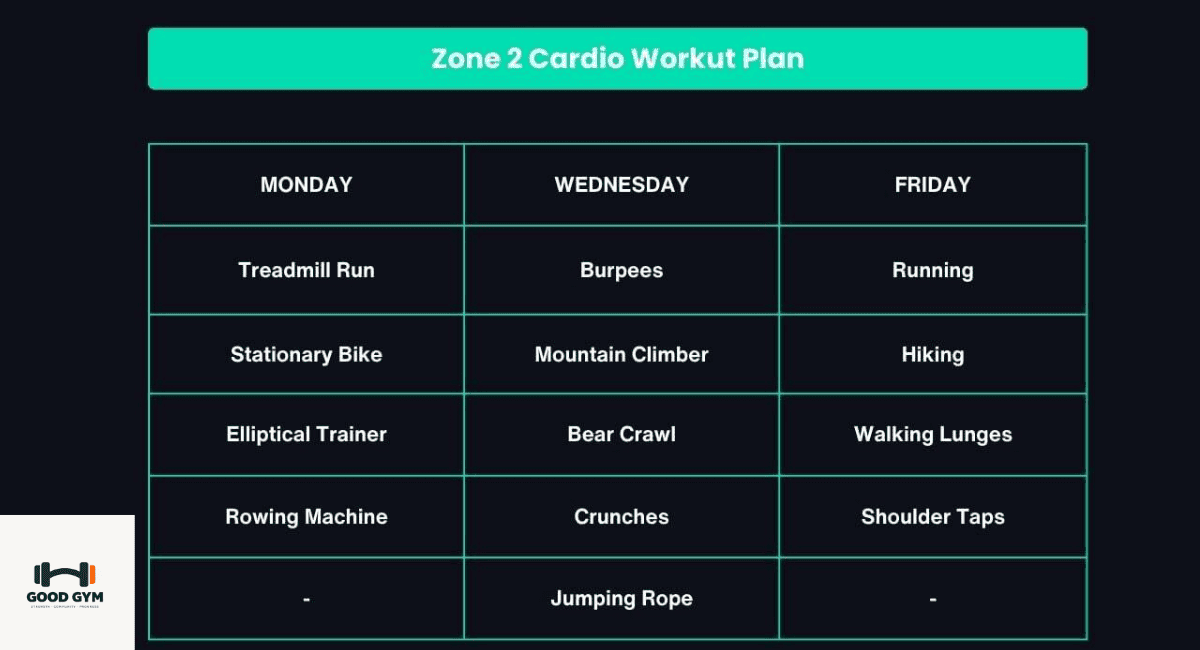
Zone 2 cardio workouts have become popular because they offer a practical way to increase weekly aerobic activity without requiring every workout to be extremely difficult. Many people believe that every cardio session must leave them sweating heavily and breathing hard. However, lower-intensity aerobic training can also play an important role in a balanced fitness program.
Zone 2 exercise is particularly attractive to people who want to improve endurance while managing training fatigue. A controlled aerobic workout can often be repeated several times per week, depending on a person’s fitness level, recovery, age, and overall training schedule.
For people who spend most of their day sitting, Zone 2 walking or cycling can also provide an accessible way to increase daily physical activity.
Zone 2 Cardio and Aerobic Fitness
Zone 2 cardio is a type of aerobic exercise performed at a steady and controlled intensity. Aerobic fitness means how well your body uses oxygen during continuous physical activity. Walking, cycling, jogging, swimming, rowing, and using an elliptical machine can all be aerobic exercises when performed at a suitable intensity.
During Zone 2 exercise, your heart rate and breathing become higher than normal, but you should still feel in control. You should generally be able to speak in short sentences without becoming extremely breathless.
How Zone 2 Helps Aerobic Fitness
Regular Zone 2 training can help you build endurance and improve your ability to perform continuous exercise. Over time, activities such as walking, climbing stairs, cycling, or jogging may feel easier at the same level of effort.
The main difference is that aerobic exercise is a broad category, while Zone 2 describes a specific exercise intensity. For example, walking is aerobic exercise, but your walking speed and effort determine whether it is very easy, Zone 2, or a harder workout.
Is Zone 2 Aerobic Exercise?
Yes. Zone 2 is a moderate aerobic training intensity. It can be reached through activities such as brisk walking, cycling, easy jogging, swimming, rowing, and using an elliptical machine.
Aerobic Exercise vs Zone 2: What’s the Difference?
Zone 2 Heart Rate: How to Find Your Training Zone
Heart rate is one method people use to estimate exercise intensity. There are several ways to estimate Zone 2 heart rate, but no single formula works perfectly for everyone. Heart rate can be influenced by fitness level, temperature, stress, sleep, hydration, medication, caffeine, and other factors.
A commonly used estimate begins with your maximum heart rate. A simple formula is 220 minus your age. For example, if you are 30 years old, the estimated maximum heart rate would be 190 beats per minute. A broad Zone 2 range may then be estimated using a percentage of maximum heart rate.
However, this calculation is only an estimate. Two people of the same age can have different maximum heart rates and different aerobic thresholds. For that reason, heart rate should be combined with perceived exertion and the talk test rather than treated as an exact number.
Using the Talk Test
The talk test is a simple method that does not require a smart watch or heart rate monitor. Begin your workout at an easy pace and gradually increase your speed or resistance. When your breathing becomes noticeably faster but you can still speak in short sentences, you are likely working around a moderate aerobic intensity.
If you are struggling to complete a sentence, slow down. The purpose of Zone 2 training is controlled aerobic exercise rather than maximum performance.
Using a Heart Rate Monitor
A fitness watch, chest strap, or exercise machine can help you monitor your heart rate. If you use a heart rate monitor, remember that the number should be interpreted as an estimate of your training intensity.
Instead of constantly changing your workout speed to chase a single heart-rate number, focus on maintaining a steady effort. Your heart rate can naturally rise during a longer session, especially in warm conditions.
Benefits of Zone 2 Cardio Workouts

Regular aerobic exercise offers many potential benefits. Zone 2 cardio can be an effective part of a larger fitness program because it allows people to accumulate steady cardiovascular activity without relying entirely on high-intensity workouts.
1. Supports Cardiovascular Fitness
Zone 2 workouts train your cardiovascular system through sustained aerobic activity. Walking, cycling, rowing, and other forms of steady-state cardio increase your heart rate for an extended period.
With consistent exercise, your body can become more efficient at performing aerobic activities. Improved cardiovascular fitness can make activities such as hiking, walking, running, and climbing stairs feel easier.
2. Builds Aerobic Endurance
Endurance is the ability to continue physical activity for an extended period. Zone 2 training emphasizes steady movement rather than short bursts of maximum effort.
This makes it particularly useful for people preparing for endurance activities or simply wanting to increase the amount of time they can remain physically active.
3. Can Support Weight Management
Zone 2 cardio can contribute to calorie expenditure, which may support weight management when combined with an appropriate nutrition plan. The number of calories burned depends on body weight, workout duration, exercise type, pace, resistance, and individual metabolism.
Walking on an incline treadmill, cycling, rowing, or using an elliptical machine can provide a steady aerobic workout without requiring extremely intense exercise.
4. Provides a Lower-Intensity Cardio Option
Not everyone enjoys high-intensity workouts. Some people may prefer steady-state cardio because it feels more manageable and easier to recover from.
A lower-intensity approach can also make it easier for beginners to establish a consistent exercise habit. Consistency is one of the most important parts of long-term fitness.
5. Improves Exercise Tolerance
As your aerobic fitness improves, you may notice that everyday physical activities become more comfortable. Regular walking, cycling, and other aerobic workouts can gradually increase your tolerance for sustained movement.
Best Zone 2 Cardio Workouts
There is no single exercise that defines Zone 2 training. The best activity is one that allows you to maintain a steady aerobic intensity while feeling comfortable and motivated enough to continue regularly.
1. Zone 2 Walking
Walking is one of the simplest Zone 2 cardio workouts. Start with a comfortable pace and gradually increase your speed until your breathing becomes faster but remains controlled.
For a more challenging workout, walk uphill or use an incline treadmill. Increasing the incline can raise your heart rate without requiring you to run.
2. Benefits of Zone 2 Incline Walking
Zone 2 incline walking combines steady aerobic exercise with an uphill walking angle. It can increase the challenge of walking without requiring you to run, making it a useful option for people who want to improve cardiovascular fitness and endurance.
1. Supports cardiovascular fitness
Incline walking raises your heart rate while allowing you to maintain a controlled pace. Regular aerobic exercise can help improve overall cardiovascular endurance.
2. Builds endurance
Walking on an incline requires more effort than walking on a flat surface. Maintaining a steady pace can help you gradually improve your ability to exercise for longer periods.
3. Increases workout intensity without running
An incline allows you to make walking more challenging by increasing the slope rather than simply walking faster. This can be useful for people who prefer low-impact cardio.
4. Works the lower body
Incline walking places more demand on muscles such as the calves, glutes, and thighs compared with easy flat walking.
5. Can support calorie expenditure
Because incline walking generally requires more effort than flat walking, it can increase energy expenditure during the workout. The actual calories burned depend on factors such as body weight, speed, incline, and workout duration.
6. Easy to adjust for different fitness levels
You can change the treadmill speed and incline to find an intensity that feels sustainable. Start with a gentle incline and gradually increase the challenge as your fitness improves.
Important: The goal of Zone 2 incline walking is steady aerobic effort, not using the highest possible incline. If the incline makes you extremely breathless or unable to speak comfortably, reduce the speed or incline.
3. Stationary Bike
Cycling is another excellent option for steady-state cardio. Set the bike resistance to a comfortable level and maintain a consistent pedaling rhythm.
Stationary cycling can be especially useful when weather conditions make outdoor exercise difficult. It also allows you to easily control resistance and monitor workout duration.
4. Outdoor Cycling
Outdoor cycling can provide an enjoyable Zone 2 workout while allowing you to explore your surroundings. Choose a relatively flat route if you are new to aerobic training.
Avoid turning every hill or straight section into a race. The objective is to maintain a steady aerobic effort.
5. Elliptical Trainer
The elliptical machine provides a low-impact cardio option. Because your feet remain on the pedals, the movement can be comfortable for people who prefer to avoid repetitive impact from running.
Maintain a smooth rhythm and use resistance that keeps your heart rate within your intended training intensity.
6. Rowing Machine
Rowing can provide a full-body cardiovascular workout. However, technique is important. Beginners should learn proper rowing mechanics before increasing duration or resistance.
Keep the movement controlled and avoid turning the workout into a series of maximum-effort strokes.
7. Swimming
Swimming can be an effective aerobic workout because it involves continuous movement of the upper and lower body. Swim at a pace that allows you to maintain steady breathing and movement.
If continuous swimming is difficult, use shorter intervals with easy recovery periods while gradually building endurance.
8. Stair Climber
The stair climber can create a demanding aerobic workout even at a relatively controlled pace. Start slowly because the machine can raise your heart rate quickly.
Focus on maintaining steady movement rather than climbing as fast as possible.
Zone 2 Cardio Workout for Beginners

If you are new to structured cardio training, start with short sessions. Your goal should be to develop consistency rather than complete very long workouts immediately.
Beginner 30-Minute Zone 2 Workout
- 5 minutes: Easy warm-up walking or cycling
- 20 minutes: Comfortable Zone 2 aerobic pace
- 5 minutes: Easy cool-down
During the main 20-minute section, use the talk test to control your intensity. If your breathing becomes too difficult, reduce your speed or resistance.
Beginner Walking Progression
Start with three 20- to 30-minute walking sessions per week. After several weeks, you can gradually increase the duration if your body is responding well.
For example, you might progress from 20 minutes to 30 minutes and eventually to 40 or 45 minutes. Progress should be gradual rather than sudden.
Zone 2 Cardio Workout for Weight Loss
Zone 2 cardio can be included in a weight-loss program because it increases physical activity and calorie expenditure. However, exercise alone does not guarantee fat loss. Nutrition, total daily activity, sleep, and consistency also matter.
45-Minute Fat-Burning Cardio Session
- 5 minutes: Easy warm-up
- 30 minutes: Steady Zone 2 cardio
- 5 minutes: Slightly easier pace
- 5 minutes: Cool-down
You can perform this workout on a treadmill, stationary bike, elliptical, or outdoors. Choose an exercise that you enjoy so you are more likely to maintain your routine.
Zone 2 Treadmill Workout
The treadmill is convenient because you can control your walking speed and incline. Start with five minutes of easy walking. Then gradually increase the speed or incline until you reach a moderate aerobic intensity.
Maintain that effort for 20 to 45 minutes depending on your fitness level. Finish with several minutes of easy walking.
Incline Walking Example
- 5 minutes easy walking
- 5 minutes at a gentle incline
- 20 minutes at a steady aerobic intensity
- 5 minutes reduced incline
- 5 minutes easy cool-down
The exact speed and incline will differ from person to person. Do not copy another person’s treadmill settings if they cause your breathing to become too difficult.
Benefits of Zone 2 Cycling Workout
For a Zone 2 cycling session, begin with an easy five-minute warm-up. Increase resistance gradually until your legs are working and your breathing is elevated but controlled.
Maintain a steady cadence for 25 to 45 minutes. Avoid frequent sprinting because repeated high-intensity bursts can move the workout away from the intended steady aerobic effort.
Indoor Bike Tips
Adjust the seat so your legs can move comfortably through the pedal stroke. Keep your upper body relaxed and maintain smooth pedaling. Drink water during longer sessions and stop if you experience unusual symptoms.
Zone 2 Running Workout
Zone 2 running can be useful for runners who want to develop an aerobic base. However, beginners may find that walking or a run-walk combination is necessary to remain at a controlled intensity.
Run-Walk Zone 2 Workout
- 5 minutes easy walking
- 5 minutes easy jogging
- 20 minutes alternating jogging and walking as needed
- 5 minutes easy walking
The goal is not to run continuously at all costs. If jogging makes your breathing too difficult, slow down or walk until your intensity returns to a comfortable aerobic level.
How Long Should a Zone 2 Cardio Workout Be?
The ideal workout duration depends on your current fitness, goals, schedule, and recovery ability. Beginners can start with approximately 20 to 30 minutes and gradually increase duration.
More experienced exercisers may perform 45 to 60 minutes of steady aerobic training. Endurance athletes may use even longer sessions as part of a structured training plan.
Simple Duration Guide
- Beginner: 20–30 minutes
- Intermediate: 30–45 minutes
- Advanced: 45–60+ minutes
These are general examples rather than strict requirements. A consistent 25- minute workout is often more useful than planning a 90- minute session that you rarely complete.
How Often Should You Do Zone 2 Cardio?
Many people can include Zone 2 cardio several times per week. The appropriate frequency depends on your total training volume, fitness level, recovery, and other activities.
A beginner might start with two or three sessions per week. Someone who already performs regular aerobic exercise may be able to train more frequently.
How to Get 150 Minutes of Zone 2 Cardio Per Week
A common weekly goal for moderate aerobic activity is 150 minutes per week. For someone who wants to include Zone 2 cardio in their routine, these 150 minutes can be divided into several shorter workouts instead of doing everything in one session.
For example:
30 minutes × 5 days = 150 minutes
50 minutes × 3 days = 150 minutes
25 minutes × 6 days = 150 minutes
30 minutes Tuesday + 30 minutes Thursday + 30 minutes Saturday + 60 minutes Sunday = 150 minutes
You do not need to complete all 150 minutes at once. Breaking your weekly cardio into manageable sessions can make it easier to stay consistent.
Important: The 150-minute recommendation is a general target for moderate aerobic activity. It should not be treated as an exact requirement that every minute must fall into a specific Zone 2 heart-rate range.
Best Time to Do Zone 2 Cardio
There is no single best time of day for everyone to do Zone 2 cardio. The best time is the one that fits your daily schedule and allows you to exercise consistently. You can perform Zone 2 cardio in the morning, afternoon, or evening depending on your routine and personal preference.
Morning: Morning Zone 2 cardio can be a good option if you prefer exercising before starting your daily activities. A brisk walk, easy cycling, or treadmill workout can help you start the day with physical activity.
Afternoon: Afternoon workouts can work well for people who have more energy or free time later in the day. You can use walking, cycling, rowing, or another steady aerobic exercise for your Zone 2 session.
Evening: Evening Zone 2 cardio can also be effective if it is more convenient for your schedule. Choose a comfortable intensity, especially if exercising close to bedtime.
The most important factor is consistency. Instead of worrying about finding a perfect workout time, choose a time that you can follow regularly. If morning workouts are difficult to maintain, an afternoon or evening session may be a better choice.
Tip: Try different workout times and see when you feel most comfortable and energetic. Your best time for Zone 2 cardio is the time that helps you stay consistent with your weekly routine.
Zone 2 Cardio vs HIIT
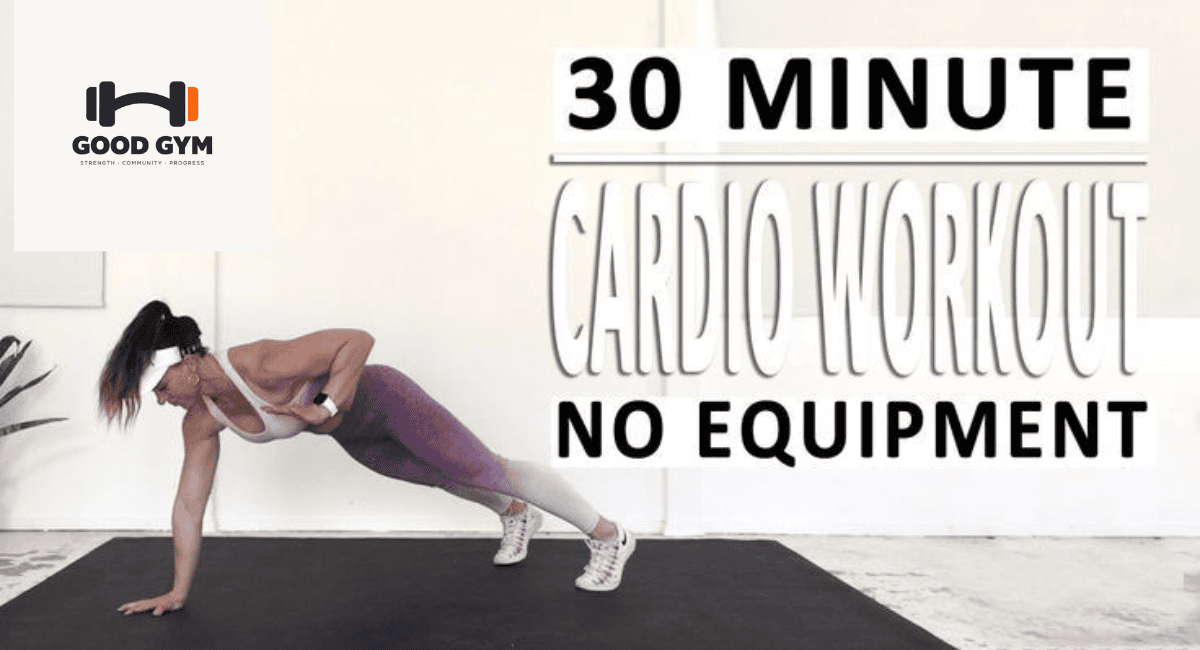
Zone 2 cardio and high-intensity interval training are different approaches to cardiovascular exercise. Zone 2 emphasizes sustained, controlled aerobic activity, while HIIT involves repeated periods of very hard effort followed by recovery.
Zone 2 Training
- Lower exercise intensity
- Longer continuous sessions
- Steady heart rate and breathing
- Useful for aerobic endurance
- Often easier to recover from
HIIT Training
- High exercise intensity
- Short work intervals
- Hard breathing during intense periods
- Efficient for challenging cardiovascular workouts
- Requires more recovery for many people
You do not necessarily need to choose one forever. A balanced training program can include both lower-intensity aerobic exercise and occasional high-intensity training when appropriate.
Zone 2 Cardio and Strength Training
People who lift weights can also benefit from including aerobic exercise in their weekly routine. Strength training and Zone 2 cardio can complement each other when planned carefully.
If muscle growth and strength are your primary goals, avoid placing excessive cardio volume around your hardest lifting sessions. If general health and endurance are the priority, you may have more flexibility.
Combining Cardio and Weight Training
One option is to perform strength training on some days and Zone 2 cardio on separate days. Another option is to complete a shorter aerobic session after lifting weights.
Choose the arrangement that allows you to maintain good exercise quality and recover properly.
Common Zone 2 Cardio Mistakes
1. Exercising Too Hard
The most common mistake is turning every Zone 2 workout into a hard cardio session. If you are constantly sprinting, breathing extremely hard, or struggling to talk, reduce the intensity.
2. Going Too Easy
The opposite mistake is exercising so easily that there is almost no increase in heart rate or breathing. Zone 2 should still feel like exercise. You need to find a sustainable middle ground.
3. Obsessing Over One Heart Rate Number
Heart rate naturally changes throughout a workout. Heat, stress, hydration, sleep, caffeine, and fatigue can all influence it. Use heart rate as a guide rather than treating a single number as perfect.
4. Increasing Workout Duration Too Quickly
Doing much more exercise than your body is prepared for can increase fatigue and reduce consistency. Increase duration gradually and give your body time to adapt.
5. Ignoring Recovery
Even moderate exercise contributes to your total training load. Sleep, nutrition, hydration, and rest days are important parts of a successful fitness routine.
Zone 2 Cardio for Beginners at the Gym
If you are starting at a gym, you do not need complicated equipment. A treadmill, stationary bicycle, elliptical trainer, or rowing machine can provide an effective aerobic workout.
Choose one machine that feels comfortable and learn how to adjust its speed or resistance. Begin with a warm-up and gradually move into your target intensity.
Simple Gym Routine
- 5 minutes treadmill warm-up
- 25 minutes steady treadmill walking
- 5 minutes easy walking
As your fitness improves, you can increase the duration or use a gentle incline. Keep the intensity controlled throughout the main workout.
Zone 2 Cardio for Older Adults
Adults of different ages can participate in aerobic exercise, but exercise intensity should be appropriate for individual fitness and health status. Walking, stationary cycling, swimming, and other low-impact activities may be useful options.
Anyone with a medical condition, significant symptoms, or concerns about starting exercise should discuss an appropriate activity level with a qualified healthcare professional.
Does Zone 2 Cardio Burn Fat?
Zone 2 exercise uses a mixture of energy sources during physical activity, including fat and carbohydrates. The exact proportion changes according to exercise intensity, duration, fitness level, nutrition, and individual physiology.
It is therefore misleading to think that a particular heart-rate zone automatically causes greater body-fat loss. Long-term fat loss primarily depends on overall energy balance and sustainable lifestyle habits.
Zone 2 cardio can still be useful because it provides a practical way to increase physical activity and calorie expenditure while developing aerobic fitness.
How to Progress Your Zone 2 Workouts
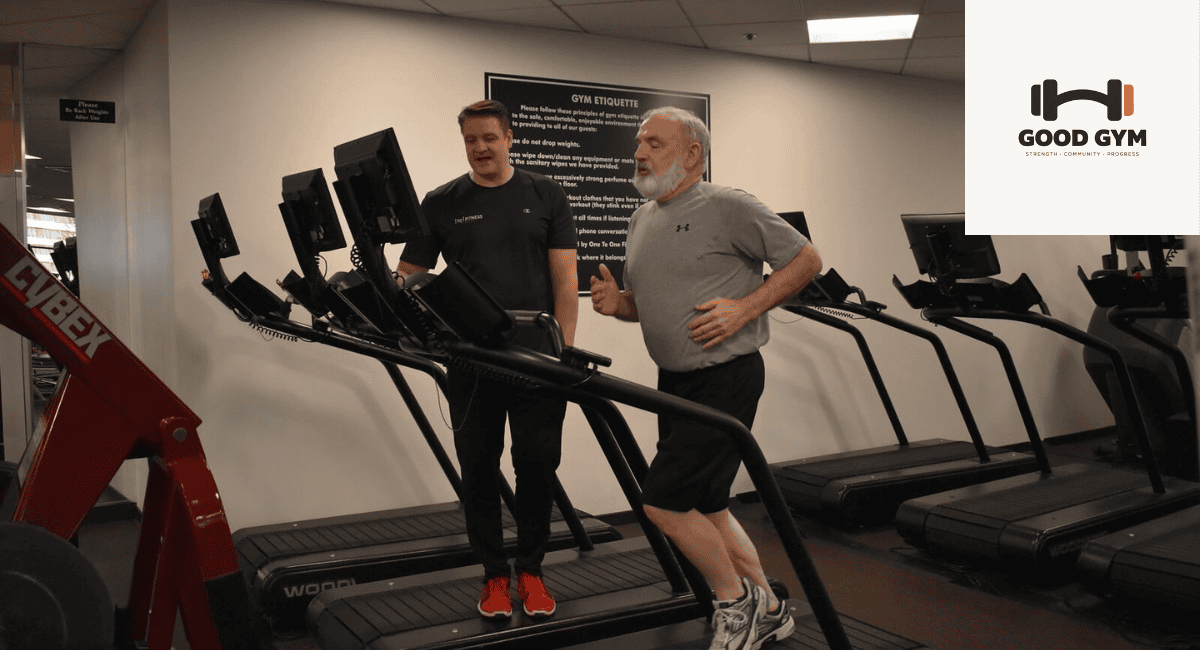
Progress does not always mean exercising harder. You can improve your aerobic training by gradually increasing workout duration, improving consistency, or performing the same workout more efficiently.
Progression Method 1: Increase Duration
If you currently perform 25- minute sessions comfortably, you might gradually increase to 30 or 35 minutes.
Progression Method 2: Improve Consistency
If you currently exercise once per week, adding a second consistent session may provide a more meaningful improvement than making your single workout extremely difficult.
Progression Method 3: Add Gentle Resistance
On a treadmill, you can add a small incline. On a bike, you can slightly increase resistance. The goal is to maintain controlled aerobic intensity.
Zone 2 Cardio Workout Plan for 4 Weeks
Week 1
Complete two Nominate 25 -minutes sessions. Choose walking, cycling, elliptical training, or another comfortable aerobic activity.
Week 2
Complete three 25- minute sessions. Keep the pace steady and focus on learning how your breathing and heart rate respond.
Week 3
Complete three sessions of approximately 30 to 35 minutes. Increase duration gradually rather than suddenly increasing intensity.
Week 4
Complete two 35- minute sessions and one 45-minute session if you feel ready. Include at least one easier recovery day between demanding training sessions.
Nutrition and Hydration for Zone 2 Training
For shorter workouts, most people do not need complicated nutrition strategies. A balanced diet that provides sufficient protein, carbohydrates, healthy fats, vitamins, minerals, and fluids can support regular exercise.
Hydration becomes increasingly important as workout duration increases, especially during hot weather. Drink fluids regularly and pay attention to thirst and environmental conditions.
Pre-Workout Nutrition
If you exercise comfortably after eating, a normal balanced meal can provide sufficient energy. Some people prefer a small snack before training, particularly when exercising after several hours without food.
There is no universal pre-workout meal that works for everyone. Choose foods that you tolerate well and that fit your overall nutrition goals.
Frequently Asked Questions About Zone 2 Cardio
Is Zone 2 cardio good for beginners?
Yes. Zone 2-style aerobic exercise can be a practical starting point for beginners because the intensity is controlled and can be adjusted through walking speed, cycling resistance, or other variables.
Can I do Zone 2 cardio every day?
Some people can perform light aerobic activity frequently, but the appropriate amount depends on fitness level, total activity, recovery, and individual health. You do not need to train every day to improve your fitness.
Is walking enough for Zone 2 cardio?
Yes. Brisk walking can provide an effective aerobic workout for many people. If normal walking is too easy, you can increase your pace, walk uphill, or use a treadmill incline.
Can Zone 2 cardio help with belly fat?
Zone 2 cardio can contribute to overall calorie expenditure and may support fat loss when combined with an appropriate nutrition plan. However, it cannot specifically target belly fat. The body determines where fat is lost.
How long should I do Zone 2 cardio?
Beginners can start with around 20 to 30 minutes. More experienced exercisers may perform 30 to 60 minutes or longer depending on their goals and training program.
What is the best Zone 2 cardio machine?
There is no single best machine for everyone. Treadmills, stationary bikes, ellipticals, rowers, and stair climbers can all be used for controlled aerobic training. The best choice is one you can use safely and consistently.
Can I do Zone 2 cardio after lifting weights?
Yes. A short, controlled aerobic session can be added after strength training. However, if maximizing strength or muscle growth is your main goal, manage your total cardio volume so it does not interfere with recovery.
Do I need a smart watch for Zone 2 training?
No. A smart watch or heart-rate monitor can provide useful information, but it is not essential. The talk test and perceived exertion can help you control workout intensity.
Is Zone 2 better than HIIT?
Neither is universally better. Zone 2 and HIIT serve different purposes. Zone 2 focuses on sustained aerobic work, while HIIT uses short periods of high-intensity exercise. A balanced program may use both approaches.
Safety Tips for Zone 2 Cardio
Start every workout gradually and give your body time to warm up. Wear comfortable footwear and use equipment correctly. Increase workout duration and intensity progressively rather than making large changes in a short period.
If you experience chest pain, fainting, severe dizziness, unusual shortness of breath, or another concerning symptom during exercise, stop exercising and seek appropriate medical attention. People with existing medical conditions or concerns about exercise should obtain individualized guidance from a qualified healthcare professional.
Final Thoughts on Zone 2 Cardio Workouts
Zone 2 cardio workouts provide a simple and sustainable approach to aerobic training. Walking, cycling, jogging, swimming, rowing, and elliptical exercise can all be used to create effective steady-state cardio sessions. The key is to maintain a controlled intensity that elevates your heart rate and breathing without turning the workout into an all-out effort.
For beginners, starting with 20 to 30 minutes two or three times per week can be a practical approach. As fitness improves, workout duration can gradually increase. More experienced exercisers can incorporate longer sessions into their weekly training plan.
Zone 2 training can complement strength workouts, support general cardiovascular fitness, increase physical activity, and contribute to a healthy weight-management strategy. However, the most important factor is consistency. You do not need to make every workout extremely difficult to make progress.
Choose an activity you enjoy, monitor your effort using the talk test or heart rate when appropriate, increase your training gradually, and give your body enough time to recover. With regular practice, Zone 2 cardio can become a valuable part of a balanced fitness routine and help you build the aerobic foundation needed for a stronger, healthier, and more active lifestyle.


Leave a Reply