
Introduction
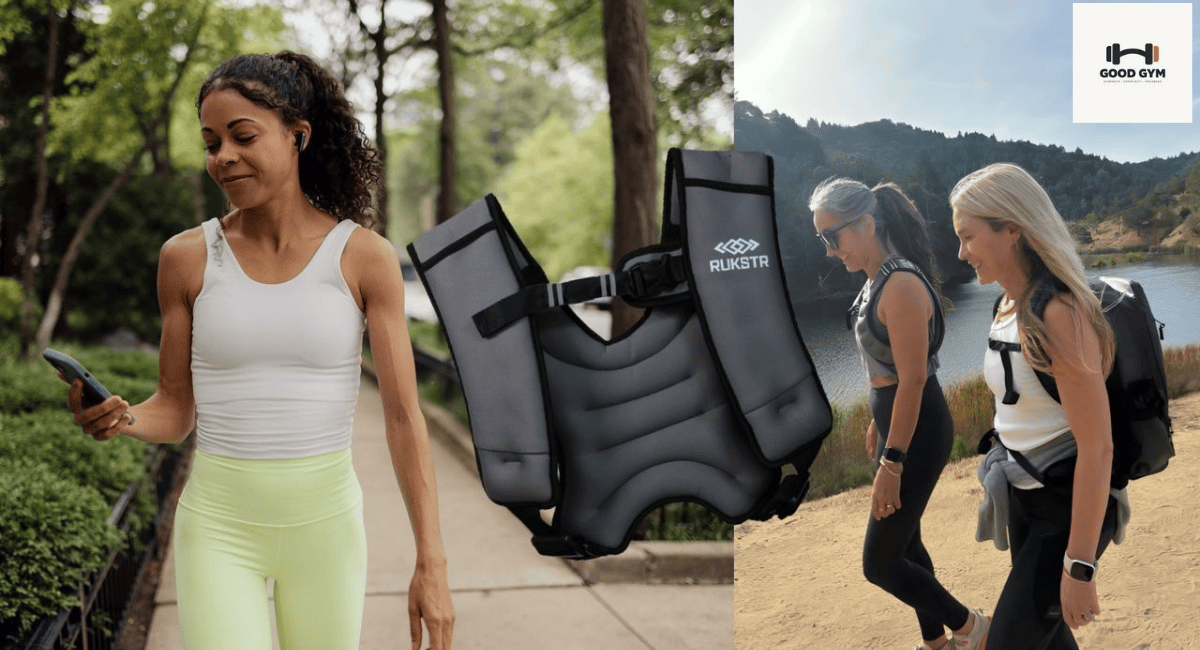
A weighted vest walking workout is a simple way to make regular walking more challenging. Instead of walking with only your body weight, you wear a vest that adds extra resistance while you move. This can make your muscles work harder and may help improve strength, endurance, balance, and overall fitness.
Walking is already one of the easiest exercises to add to your daily routine. You do not need expensive equipment or advanced exercise skills. Adding a properly fitted weighted vest can turn an ordinary walk into a more demanding workout.
However, using a weighted vest is different from simply walking faster or walking farther. The extra weight places more demand on your legs, hips, core, and cardiovascular system. Because of this, beginners should start with a light vest and gradually increase the difficulty.
In this guide, you will learn how to perform a weighted vest walking workout, how much weight to use, the benefits of weighted walking, beginner and advanced workout ideas, common mistakes, and important safety tips.
What Is a Weighted Vest Walking Workout?
A weighted vest walking workout is a form of resistance walking where you wear a vest containing additional weight while walking. The vest distributes the weight around your upper body, allowing you to walk normally while your body works against additional resistance.
You can perform weighted walking outdoors, on a treadmill, around your neighborhood, on a track, or even during a simple indoor walking session.
The basic idea is very simple:
Put on a suitable weighted vest → warm up → walk at a comfortable pace → gradually increase the challenge → cool down.
The extra load can make your normal walking routine more demanding. Your legs may need to work harder with every step, while your core helps stabilize your body.
Weighted Walking vs. Normal Walking
Normal walking is an excellent low-impact cardiovascular activity. A weighted vest can increase the physical demand without requiring you to completely change your walking technique.
For example, if you normally walk for 30 minutes, you could eventually add a light weighted vest to increase the challenge.
However, more weight is not automatically better.
The goal is to use enough resistance to make your workout challenging while still allowing you to maintain good posture and natural walking form.
Benefits of Weighted Vest Walking
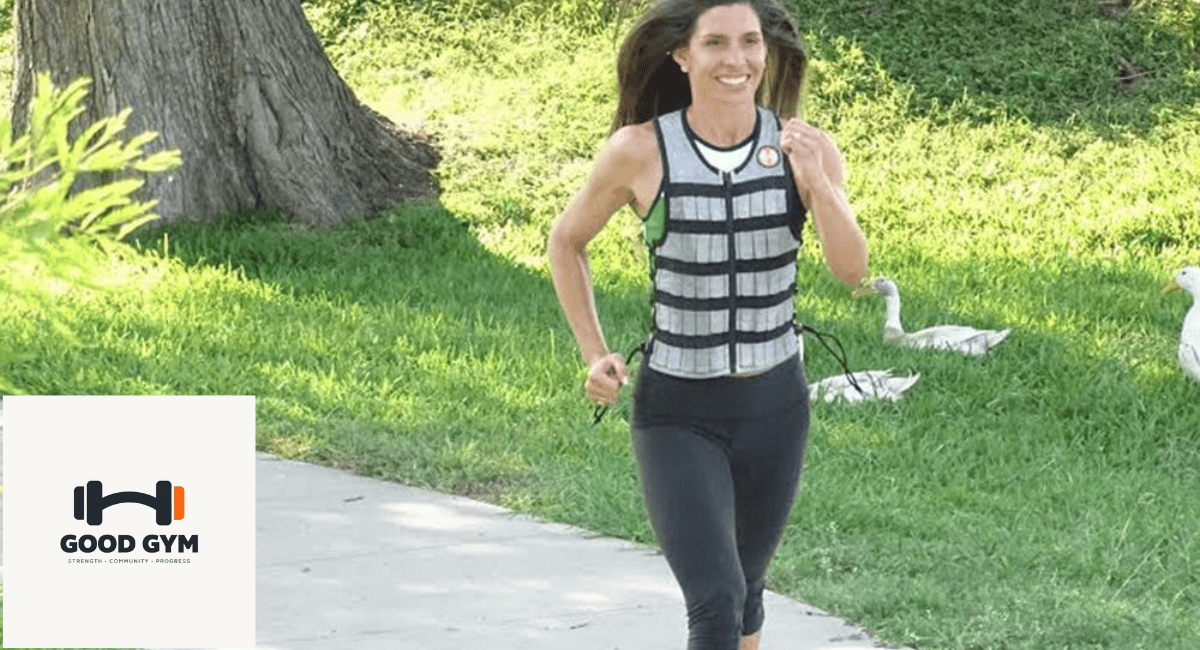
A regular weighted vest walking workout can provide several fitness benefits when performed correctly.
1. Builds Lower-Body Strength
Walking with additional weight can increase the workload placed on your legs.
Your:
- Quadriceps
- Hamstrings
- Glutes
- Calves
- Hip muscles
all contribute to walking. The additional resistance can make these muscles work harder than they would during an easy walk.
Weighted walking is not a replacement for traditional strength training, but it can be a useful addition to a balanced fitness program.
2. Increases Workout Intensity
One of the biggest advantages of weighted walking is that you can increase exercise intensity without dramatically increasing your walking speed.
For example, a person may not want to jog because running feels uncomfortable or difficult. A light weighted vest can provide another way to make walking more challenging.
You can also increase intensity by walking uphill, increasing your pace, or extending your walking duration.
3. Supports Cardiovascular Fitness
Walking raises your heart rate, especially when you walk at a brisk pace. Adding resistance can make the activity more demanding.
A weighted walking workout can therefore be included as part of a broader cardiovascular fitness routine.
For beginners, the best approach is to focus on consistency rather than trying to make every workout extremely difficult.
4. Improves Muscular Endurance
Muscular endurance refers to your muscles’ ability to continue working over time.
During weighted walking, your legs repeatedly support and move your body while carrying additional resistance. Over time, regular training can help improve your ability to handle prolonged physical activity.
This can be useful for everyday activities such as:
- Walking longer distances
- Climbing stairs
- Hiking
- Carrying groceries
- Standing and moving for longer periods
5. Engages the Core
A properly fitted weighted vest can also make your core muscles work to stabilize your body.
Your abdominal muscles, lower back muscles, and other stabilizing muscles help maintain posture while you walk.
However, you should not intentionally lean forward or backward to compensate for the vest. Keep your torso upright and allow your body to move naturally.
6. Can Make Walking More Challenging
If you already enjoy walking but feel that your usual routine has become too easy, adding resistance may provide a new challenge.
You do not necessarily need to walk much longer. Instead, you can gradually increase the workload through resistance, hills, pace, or duration.
How Heavy Should a Weighted Vest Be?
Choosing the correct vest weight is one of the most important parts of a weighted vest walking workout.
Beginners should generally start with a light amount of additional weight rather than immediately choosing a heavy vest.
A simple beginner approach is to start around 5% of your body weight, provided you can walk comfortably and maintain good form.
For example:
- 120 lb person → about 6 lb
- 150 lb person → about 7.5 lb
- 180 lb person → about 9 lb
- 200 lb person → about 10 lb
These are examples, not mandatory targets. Your fitness level, experience, joint tolerance, walking surface, and overall health should also be considered.
If a vest feels uncomfortable or changes the way you walk, it is probably too heavy for that workout.
Start Light
When you first begin, your goal should be adaptation.
Try a short walk with a light vest and pay attention to how your body feels during and after the workout.
If you can maintain:
- Upright posture
- Natural stride
- Comfortable breathing
- Good balance
- Controlled movement
then you can gradually progress over time.
How to Start a Weighted Vest Walking Workout

If you are new to weighted walking, do not start with a long distance or heavy resistance.
Start with a simple session.
Beginner Example
Warm-up: 5 minutes without the vest or with very light resistance
Weighted walk: 10–15 minutes at an easy-to-moderate pace
Cool-down: 5 minutes of easy walking
This gives your body time to adapt.
After several comfortable sessions, you can slowly increase the walking duration.
For example:
- Week 1: 10–15 minutes
- Week 2: 15–20 minutes
- Week 3: 20–25 minutes
- Week 4: 25–30 minutes
You do not have to increase the weight at the same time.
A common mistake is increasing both distance and vest weight too quickly. It is usually better to change one training variable at a time.
Proper Form for Weighted Walking
Good walking form becomes even more important when you add resistance.
Keep your:
- Head in a neutral position
- Shoulders relaxed
- Chest naturally lifted
- Back straight
- Core gently engaged
- Arms moving naturally
- Steps controlled
Avoid looking down at your feet for the entire workout.
Your stride should feel natural. Do not take unusually long steps simply because you are wearing a vest.
Keep Your Posture Tall
One of the easiest ways to notice that a weighted vest is too heavy is a change in posture.
If you find yourself leaning forward, arching your back, or struggling to keep your balance, reduce the weight.
The vest should help you train—not force you into poor movement patterns.
Who Can Use a Weighted Vest?
Weighted walking can be appropriate for many people who already have a basic level of walking fitness.
It may be useful for:
- Beginners progressing from normal walking
- Recreational walkers
- Fitness enthusiasts
- People looking for additional walking resistance
- People training for hiking
- People who want to increase workout intensity
However, not everyone should immediately start weighted walking.
If you have joint problems, balance problems, an injury, or a medical condition that affects exercise, speak with an appropriate healthcare professional before adding external resistance.
What Makes Weighted Vest Walking Different?
The main difference is additional load.
During normal walking, your body moves its own weight. With a weighted vest, your muscles must move and stabilize your body while carrying extra resistance.
This can increase the training demand without requiring complicated exercises.
That is why a weighted vest walking workout can be a convenient option for people who prefer simple fitness routines.
The key is progression.
You do not need the heaviest vest or the longest walk to get value from the workout. A consistent routine using an appropriate resistance level can be much more useful than occasional extremely difficult sessions.
Weighted Vest Walking Workouts and Exercise Development
Beginner Weighted Vest Walking Workout
If you are new to weighted walking, your first goal should be to help your body get used to the added resistance. You do not need to walk for a long time or use a heavy vest.
A beginner weighted vest walking workout should feel challenging but manageable. You should still be able to maintain a natural walking pace and good posture.
20-Minute Beginner Workout
Try this simple routine:
Warm-Up — 5 Minutes
Begin by walking without the vest or with very light resistance. Walk slowly for the first two minutes, then gradually increase your pace.
Main Workout — 10 Minutes
Put on your weighted vest and walk at a comfortable pace. You should feel your heart rate increase, but you should not feel exhausted.
Cool-Down — 5 Minutes
Remove the vest and walk slowly. Use this time to allow your breathing and heart rate to return closer to normal.
You can perform this workout two or three times per week.
Beginner Progression
Do not rush to add more weight. Instead, progress gradually:
- Week 1: 10–15 minutes of weighted walking
- Week 2: 15–20 minutes
- Week 3: 20–25 minutes
- Week 4: 25–30 minutes
If a particular week feels difficult, repeat it instead of increasing the workload. Your body needs time to adapt to the additional resistance.
Intermediate Weighted Vest Walking Workout
Once you can comfortably complete 25–30 minutes of weighted walking, you can start adding different levels of intensity.
An intermediate weighted vest walking workout can include changes in pace, hills, and short periods of faster walking.
30-Minute Intermediate Workout
- 5 minutes — Warm-up: Walk at an easy pace without heavy resistance.
- 5 minutes — Comfortable pace: Start your weighted walk at a moderate pace.
- 2 minutes — Brisk walking: Increase your walking speed while maintaining controlled posture.
- 3 minutes — Easy walking: Return to a comfortable pace.
- Repeat the brisk and easy walking intervals three times.
- 5 minutes — Cool-down: Finish with easy walking.
This type of workout introduces intervals without requiring running.
Why Use Walking Intervals?
Walking intervals can make your workout more interesting and help you manage exercise intensity.
Instead of walking at exactly the same speed for the entire session, you alternate between easier and faster periods.
For example:
- Easy walk
- Brisk walk
- Easy walk
- Brisk walk
- Easy walk
This approach can be useful for people who want to improve endurance while continuing to use walking as their main form of exercise.
Hill Walking With a Weighted Vest
Walking uphill naturally increases the difficulty of a workout. Adding a weighted vest can increase the challenge even further.
If you are new to weighted hill walking, start with a small incline instead of a steep hill.
Beginner Hill Workout
Walk on flat ground for 5–10 minutes first.
Then find a gentle hill and walk uphill for about 1–2 minutes. Return to flat ground or walk downhill slowly.
Repeat several times depending on your fitness level.
You should focus on controlled movement rather than speed.
Why Hills Can Be Challenging
Uphill walking requires more effort from the legs and hips. Your glutes, quadriceps, calves, and other muscles contribute to moving your body upward.
When combined with a weighted vest, the overall workload becomes greater. Because of this, hill walking should be introduced gradually.
Advanced Weighted Vest Walking Workout

An advanced weighted vest walking workout should only be attempted after you have developed a good base of walking fitness.
At this stage, you can combine several training methods, such as:
- Brisk walking
- Hill walking
- Longer walking sessions
- Walking intervals
- Light resistance
You do not need to use all of these methods at maximum intensity during one workout.
45-Minute Advanced Workout
- 5 minutes — Warm-up: Walk easily and prepare your muscles.
- 10 minutes — Light weighted walking: Walk at a steady pace.
- 5 minutes — Hill walking: Walk uphill at a controlled pace.
- 5 minutes — Easy walking: Recover while continuing to move.
- 5 minutes — Brisk walking: Increase your pace without running.
- 5 minutes — Easy walking: Allow your breathing to settle.
- 5 minutes — Light walking: Return to a steady pace.
- 5 minutes — Cool-down: Remove the vest if needed and finish with easy walking.
This workout can be adjusted according to your fitness level.
How Often Should You Do Weighted Vest Walking?
You do not need to perform a weighted walking workout every day. Because the vest increases the workload, your body needs time to recover.
A beginner may start with 2–3 weighted walking sessions per week.
For example:
- Monday: Weighted walk
- Tuesday: Regular walk or rest
- Wednesday: Rest
- Thursday: Weighted walk
- Friday: Regular walk
- Saturday: Optional weighted walk
- Sunday: Rest
This schedule gives you recovery time between harder sessions. Regular walking can still be performed on other days if you feel comfortable.
Weighted Vest Walking Weekly Plan
A simple weekly plan can help you stay consistent.
Monday — Weighted Walking
Complete 20–30 minutes at an easy-to-moderate pace.
Tuesday — Regular Walking
Walk for 20–40 minutes without additional weight.
Wednesday — Rest or Light Activity
Give your body a recovery day.
Thursday — Weighted Walking
Complete 20–30 minutes. Add short brisk intervals if you have already adapted to the vest.
Friday — Easy Walking
Perform a comfortable walk for recovery and general activity.
Saturday — Longer Walk
Complete a longer regular walk or a light weighted walk depending on your fitness level.
Sunday — Rest
Take a complete rest day or perform light movement.
The exact schedule can be changed according to your lifestyle and fitness level.
How Long Should You Walk With a Weighted Vest?
There is no single ideal duration for everyone.
Your ideal workout length depends on your fitness level, vest weight, walking speed, terrain, and training experience.
Beginners can start with approximately 10–20 minutes of weighted walking.
As your body adapts, you can gradually work toward:
- 20 minutes
- 30 minutes
- 40 minutes
- 45 minutes
- Longer sessions when appropriate
The important thing is to increase your workload gradually.
A 20-minute workout performed consistently is often more useful than a Last 60- minute workout that leaves you overly tired and unable to train again for several days.
How Many Days Per Week Should You Walk?
Walking itself can be performed regularly because it is generally a low-impact activity. However, weighted walking creates additional resistance.
For many beginners, 2–3 weighted sessions per week is a reasonable place to start.
You can use regular walking on the other days.
This approach allows you to get more activity without making every walking session difficult.
Can Weighted Walking Help With Weight Loss?
A weighted vest walking workout can increase the physical demand of walking, which may increase energy expenditure compared with the same activity without additional weight.
However, weight loss depends on your overall energy balance. Your nutrition, total physical activity, sleep, recovery, and consistency all matter.
Weighted walking should therefore be viewed as one part of a healthy weight-management routine rather than a magic solution.
A practical approach is to combine:
- Regular walking
- Strength training
- Balanced nutrition
- Adequate protein
- Good sleep
- Consistent daily activity
Walking with a vest can make your routine more challenging, but you should still focus on long-term healthy habits.
Weighted Vest Walking for Building Endurance
Endurance means being able to maintain physical activity for a longer period without becoming excessively tired.
You can gradually build walking endurance by increasing your workout duration and controlling intensity.
For example:
- Week 1: 15-minute weighted walk
- Week 2: 20-minute weighted walk
- Week 3: 25- minute weighted walk
- Week 4: 30-minute weighted walk
After building a comfortable base, you can introduce short periods of brisk walking.
Avoid increasing both the vest weight and walking duration at the same time.
Weighted Walking and Strength Training

Weighted walking can complement a strength-training program, but it should not replace resistance exercises.
A complete fitness routine can include:
- Squats
- Lunges
- Deadlifts
- Push-ups
- Rows
- Core exercises
- Weighted walking
- Regular walking
Strength exercises train muscles through specific movements, while weighted walking focuses more on continuous movement and endurance.
Combining both can create a more balanced workout program.
How to Increase the Difficulty Safely
There are several ways to progress your weighted vest walking workout.
Increase Walking Time
Adding a few minutes to your workout can gradually increase the total workload.
Increase Walking Speed
A faster pace can make walking more challenging without adding more weight.
Add Gentle Hills
Inclines can increase the demand on your legs and cardiovascular system.
Add Short Intervals
Alternate between relaxed and brisk walking to change the intensity of your workout.
Increase Vest Weight Carefully
Only consider increasing the vest weight once you are comfortable with your current load.
You should not increase all training variables at once.
For example, if you increase the vest weight this week, keep your walking duration and pace similar.
Signs That Your Weighted Vest Is Too Heavy
Using too much weight can negatively affect your walking form.
Your vest may be too heavy if you notice:
- Leaning forward
- Lower back pain
- Shoulder soreness
- Difficulty breathing comfortably
- Poor balance
- Short or unnatural steps
- Excessive fatigue
- Pain during walking
If these problems occur, stop and remove the vest or reduce the resistance.
The goal is not to show how much weight you can carry. The goal is to perform a controlled and sustainable workout.
Rest and Recovery
Recovery is an important part of any workout routine.
When you train, your body experiences physical stress. Rest gives your muscles and other tissues time to recover.
After a challenging weighted vest walking workout, you can use easier activities such as:
- Regular walking
- Gentle mobility exercises
- Light stretching
- Rest
You should also pay attention to hydration, nutrition, and sleep.
If you feel unusually tired for several days, reduce your training volume and allow additional recovery time.
Common Mistakes to Avoid During a Weighted Vest Walking Workout
A weighted vest walking workout may look simple, but using additional resistance can change the demands placed on your body. Avoiding common mistakes can help you create a safer and more effective routine.
Starting With Too Much Weight
One of the biggest mistakes is choosing a vest that is too heavy.
Some people believe that more weight will automatically create better results. However, excessive resistance can cause poor posture, unnatural walking mechanics, and unnecessary stress on the body.
Start with a light load and allow your body to adapt. You can always increase the challenge later.
Remember: slow progression is more important than heavy weight.
Walking Too Far on Your First Day
Another common mistake is doing too much too soon.
For example, if you normally walk for 20 minutes without a vest, immediately trying to walk for one hour with heavy resistance may be too demanding.
Start with a shorter weighted walking session. As your fitness improves, slowly increase the duration.
Ignoring Pain
Normal exercise can make you feel tired, but sharp or unusual pain should not be ignored.
Stop your workout if you experience significant pain or discomfort. Do not continue simply because you want to complete a specific distance or workout time.
Listen to the signals from your body.
Using Poor Posture
Your posture should remain controlled while walking.
Avoid:
- Leaning too far forward
- Leaning backward
- Rounding your shoulders
- Looking down continuously
- Taking excessively long steps
- Tightening your shoulders
Keep your body tall and relaxed.
Increasing Everything at Once
Imagine you decide to:
- Add more vest weight
- Walk longer
- Walk faster
- Add hills
Doing all of these during the same week can create a large increase in training stress.
A better approach is to change one variable at a time. For example, first increase your walking time. Later, increase your pace or add gentle hills.
Important Safety Tips for Weighted Vest Walking
Safety should always be part of your exercise routine.
Choose a Well-Fitted Vest
A weighted vest should fit securely. If the vest moves excessively while you walk, it can become distracting and affect your movement.
Adjust the straps so the vest feels stable but not excessively tight. The weight should be distributed as evenly as possible.
Wear Comfortable Walking Shoes
Your shoes are important because walking involves thousands of repeated steps.
Choose comfortable footwear that provides suitable support and fits well. Avoid starting a long weighted walk with shoes that already cause discomfort.
Start on Flat Ground
Beginners should generally start on a flat and predictable surface.
Examples include:
- A walking track
- A treadmill
- A flat sidewalk
- A smooth park path
When you become comfortable, you can gradually add hills or different types of terrain.
Pay Attention to Balance
Additional weight can affect your center of mass.
Be especially careful when:
- Walking downhill
- Turning quickly
- Walking on uneven surfaces
- Using stairs
- Walking in wet conditions
Slow down when necessary.
Warm Up Before Your Workout
A short warm-up can prepare your body for exercise.
Walk comfortably for about five minutes before increasing your pace or adding significant resistance.
You can also perform gentle movements such as:
- Ankle circles
- Leg swings
- Hip movements
- Shoulder rolls
Keep the warm-up simple and controlled.
Cool Down After Walking
Do not immediately stop after your hardest walking interval.
Spend a few minutes walking slowly. This allows you to gradually transition from exercise to rest.
What to Eat Before a Weighted Walking Workout
You do not always need a large meal before every walking session.
For a short, easy workout, many people can exercise comfortably without eating immediately beforehand.
For longer or more demanding sessions, a light meal or snack may help provide energy.
Simple options can include:
- A banana
- Yogurt
- Oatmeal
- Fruit
- Whole-grain toast
- Eggs
Choose foods that work well with your personal routine.
Avoid eating a very large meal immediately before walking if it makes you uncomfortable.
Hydration During Weighted Walking
Water needs vary based on workout duration, temperature, humidity, and individual factors.
For a short walk, you may not need to carry a large amount of water.
For longer workouts or hot weather, staying hydrated becomes more important.
Drink fluids according to your needs throughout the day.
If you are exercising outside in hot conditions, consider reducing your workout intensity or duration when necessary.
Can You Use a Weighted Vest on a Treadmill?
Yes, a weighted vest can be used during treadmill walking if you are comfortable with the equipment and can maintain good form.
Start at a slow pace.
Do not immediately combine:
- Heavy vest weight
- Fast treadmill speed
- A steep incline
This combination can become challenging quickly.
A better progression may look like this:
Option 1: Flat Walking
Walk at a comfortable pace with a light vest.
Option 2: Increase Duration
Gradually increase your workout time.
Option 3: Add a Small Incline
Introduce a mild incline after adapting to flat walking.
Option 4: Add Short Intervals
Alternate between relaxed and brisk walking.
Change one element at a time.
Outdoor Weighted Vest Walking Workout
Outdoor walking can make your workout more enjoyable because you can change your route and surroundings.
You can walk:
- Around your neighborhood
- In a park
- On a track
- On a walking trail
Choose a route that matches your fitness level.
Beginners should choose a safe and predictable route. More experienced walkers can gradually include hills and varied terrain.
Always be aware of your surroundings.
Weighted Vest Walking for Beginners: Simple 4-Week Plan

Here is a simple example of how a beginner can progress.
Week 1
Perform 2 sessions.
Walk with a light vest for 10–15 minutes. Keep the pace easy.
Week 2
Perform 2–3 sessions.
Walk for 15–20 minutes. Focus on maintaining good posture.
Week 3
Perform 3 sessions.
Walk for 20–25 minutes. Add a few minutes of brisk walking if comfortable.
Week 4
Perform 3 sessions.
Walk for 25–30 minutes. Use a steady pace and continue focusing on good form.
After four weeks, evaluate how your body feels.
You can continue increasing your walking duration gradually or maintain the same routine.
You do not need to increase the vest weight simply because four weeks have passed.
Sample 30-Minute Weighted Vest Walking Workout
This workout is suitable for someone who has already adapted to basic weighted walking.
Minutes 0–5: Warm-Up
Walk at an easy pace. Focus on posture and relaxed breathing.
Minutes 5–10: Steady Walking
Put on the weighted vest and walk at a moderate pace.
Minutes 10–12: Brisk Walking
Increase your speed slightly. Do not run.
Minutes 12–15: Easy Walking
Reduce your pace and recover.
Minutes 15–17: Brisk Walking
Increase your pace again.
Minutes 17–20: Easy Walking
Walk comfortably.
Minutes 20–25: Steady Walking
Return to a moderate pace.
Minutes 25–30: Cool-Down
Walk slowly and allow your body to recover.
This workout combines steady walking and intervals while keeping the routine simple.
Frequently Asked Questions About Weighted Vest Walking
Is Weighted Vest Walking Good Exercise
Yes, weighted walking can be an effective way to make regular walking more challenging. The added resistance can increase the physical demands of your workout while still allowing you to use a simple walking movement.
How Heavy Should My Weighted Vest Be
Beginners should start with a light load. Around 5% of body weight can be used as a general starting example, but the appropriate amount depends on your fitness level and comfort.
The vest should not cause you to change your natural walking form.
How Long Should I Walk With a Weighted Vest
Beginners may start with 10–20 minutes.
As your fitness improves, the duration can gradually increase to 20, 30, or more minutes based on comfort and training goals.
Should I Wear a Weighted Vest Every Day
You do not need to.
Beginners can start with 2–3 sessions per week and perform regular walking or rest on other days.
Your body needs adequate recovery.
Is Weighted Walking Better Than Normal Walking
Neither option is automatically better for everyone.
Regular walking is simple, accessible, and useful for general physical activity. Weighted walking adds resistance and can increase exercise intensity.
The best option depends on your fitness level and goals.
Can Beginners Use a Weighted Vest
Yes. Beginners who are comfortable with regular walking may gradually introduce a light vest.
Start with short sessions and focus on proper posture.
Can I Use a Weighted Vest for Treadmill Walking
Yes. Start at a comfortable pace with light resistance.
Avoid making the speed, incline, and vest weight challenging at the same time.
Does Weighted Walking Build Muscle
Weighted walking can increase the workload on your lower body and supporting muscles. It may contribute to muscular endurance and strength, but it does not replace a complete strength-training program.
Conclusion
A weighted vest walking workout is a practical way to make regular walking more challenging.
You do not need complicated exercises to improve your fitness. By adding a properly fitted weighted vest, you can increase the resistance involved in your everyday walking routine.
The most important rule is to start light and progress slowly.
Begin with a short walking session and a safe amount of resistance. Focus on maintaining good posture, natural steps, and controlled movement.
As your fitness improves, you can increase your workout difficulty by adding more walking time, a faster pace, gentle hills, or carefully increased resistance.
Avoid trying to progress too quickly.
Consistency is more important than performing the hardest possible workout.
A good weighted vest walking workout should match your current fitness level and support your long-term goals. Whether you want to improve endurance, make your walking routine more challenging, or add variety to your exercise program, gradual weighted walking can be a useful training option.
Listen to your body, allow enough recovery, and focus on safe progression. With patience and consistency, weighted walking can become a simple and effective part of your regular fitness routine.
Meta Description
A weighted vest walking workout is a simple way to make regular walking more challenging while improving endurance, strength, and overall fitness. This guide explains beginner, intermediate, and advanced routines, weekly schedules, hill walking, treadmill workouts, safety tips, progression methods, and common mistakes to avoid. Learn how to choose the right vest weight, improve your walking form, stay hydrated, recover properly, and build your workout gradually. Whether you are new to weighted walking or looking for a more challenging routine, this guide provides practical tips to help you train safely and consistently. Discover how a weighted vest walking workout can fit into your long-term fitness routine.


Leave a Reply